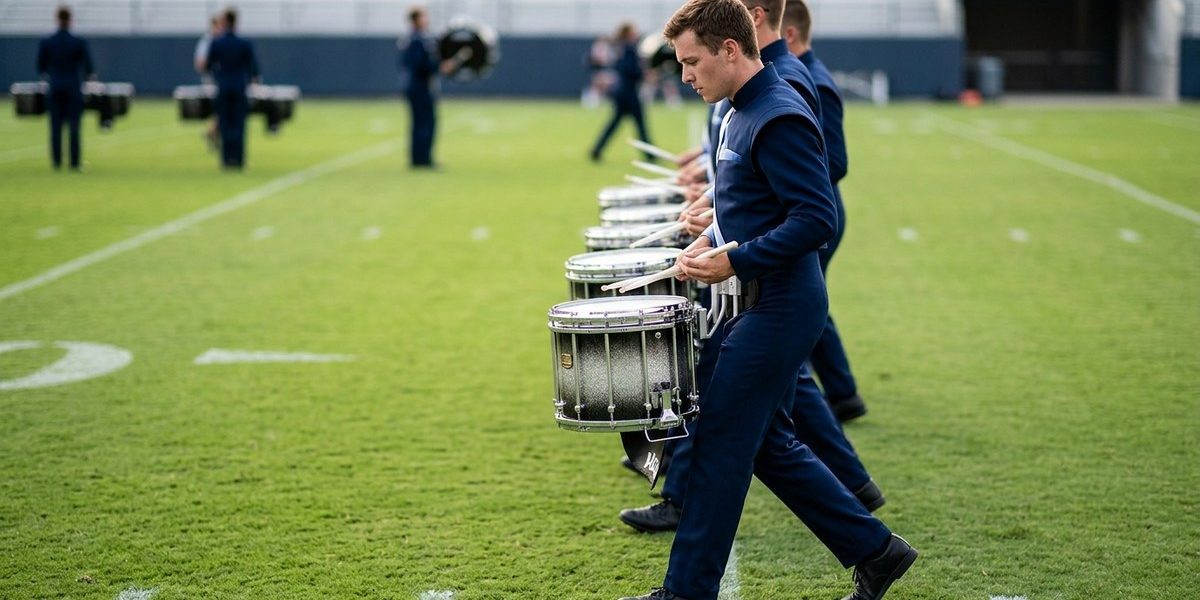
When it comes to marching arts, time is your most valuable resource. Coaches and performers alike want to make every second on the field count. The secret to doing so lies in structuring your practice sessions around focused drill sequences. These sequences break down complex movement patterns and music into manageable, goal-oriented segments. Using this approach can drastically improve your team’s precision, increase retention, and reduce wasted effort.
Implementing targeted drill sequences allows drum corps to optimize rehearsals by focusing on specific skills, reducing redundancy, and accelerating overall performance quality in 2026.
Why Focused Drill Sequences Boost Practice Efficiency
In the fast-paced world of drum corps, rehearsals are packed with multiple demands. From perfecting individual techniques to ensemble coordination, the goal is to maximize progress in the shortest possible time. Focused drill sequences serve as the backbone of efficient practice routines. They enable performers to isolate weak points and refine them without getting bogged down by unrelated tasks.
By designing drills around specific objectives, you create a clear pathway for improvement. For example, a sequence dedicated solely to visual transitions can help performers achieve seamless movement flow. Similarly, a drill focused on a challenging passage of music ensures deep focus on that particular segment. When used consistently, these sequences foster muscle memory and mental clarity.
How to Create Effective Drill Sequences
Constructing drill sequences that truly maximize practice efficiency requires a strategic approach. Here are three steps to develop impactful sequences:
-
Identify Priority Skills or Sections
Begin by pinpointing your team’s weakest areas or sections needing reinforcement. This could be a complex move, a difficult phrase, or a transition that often causes timing issues. Use performance recordings or feedback from judges to inform your choices. -
Break Down the Skill Into Components
Divide the targeted skill into smaller parts. For visual drills, this might mean isolating footwork, body carriage, and arm movements. For musical passages, split the phrase into measures or motifs. The goal is to make each part manageable. -
Design Repetitive, Goal-Oriented Drills
Create sequences that focus on one component at a time. Use repetition with variation to reinforce learning. For example, run a drill emphasizing precise foot placement, then add arm movements gradually. Keep each sequence short enough to maintain high energy and focus.
A good example is practicing a march step for 16 counts, then adding arm swings for the next 16 counts, and finally combining both for a full run-through. This segmented approach prevents overwhelm and builds confidence.
Practical Tips for Maximizing Drill Sequences
-
Use a Timer or Count-Based Goals
Set specific durations or repetition targets for each sequence. This keeps rehearsals structured and ensures progress within each session. -
Incorporate Visual and Musical Cues
Align drill sequences with music cues or visual markers. This integration helps performers connect movement to sound and timing. -
Record and Review
Film practice sessions to analyze the effectiveness of drill sequences. Watching recordings allows you to spot inconsistencies and adjust drills accordingly. -
Vary the Difficulty
Start with simple sequences and increase complexity as proficiency grows. This progressive challenge keeps performers engaged and prevents stagnation. -
Prioritize Rest and Recovery
Design sequences that include brief pauses for feedback and mental reset. High-intensity repetition is effective only when performers remain fresh.
Common Mistakes That Undermine Drill Efficiency
| Mistake | Impact | How to Avoid |
|---|---|---|
| Running too long sequences | Causes fatigue and loss of focus | Keep drills short and focused, around 10-15 counts or repetitions |
| Failing to specify clear goals | Leads to aimless practice | Define what success looks like for each sequence before starting |
| Ignoring individual needs | Overlooks specific weaknesses | Personalize drills based on performer feedback and skill level |
| Repeating the same sequence without variation | Leads to boredom and plateaus | Incorporate variations and incremental challenges |
| Not reviewing recordings | Misses opportunities for improvement | Regularly record sessions and analyze performance |
“The most efficient practice sessions are those that are structured with intention. Focused drill sequences allow performers to make measurable progress without wasting time on unrelated tasks,” advises veteran drum corps coach Mike Johnson.
Techniques for Effective Drill Sequences
| Technique | Description | Common Mistakes |
|---|---|---|
| Segmenting | Breaking skills into smaller parts | Trying to perfect everything at once |
| Repetition with variation | Reinforcing skills while preventing boredom | Repeating identically without progression |
| Goal setting | Defining clear, measurable objectives | Going into practice without focus |
| Visual-motor pairing | Linking movement with sound cues | Practicing movements in isolation |
| Progressive difficulty | Increasing complexity gradually | Jumping into full routines too early |
How to Avoid Practice Pitfalls
To truly maximize practice sessions, be mindful of mistakes that can slow progress:
- Overloading sequences with too many components at once
- Skipping review and analysis stages
- Focusing on quantity over quality
- Neglecting individual performer needs
- Failing to adapt sequences based on performance feedback
Remember, the key is consistency and purposeful repetition. Small, targeted efforts often lead to bigger gains over time.
Bringing It All Together
Using drill sequences strategically transforms rehearsals from routine to highly productive sessions. Focus each sequence on specific skills, tailor drills to performer needs, and incorporate regular review. This approach not only accelerates learning but also builds confidence and consistency.
In 2026, the most successful drum corps are those that optimize every minute on the field. By implementing focused drill sequences, you create a rehearsal environment where progress is clear, measurable, and sustainable.
Applying Focused Drill Sequences for Lasting Improvement
Start by mapping out your team’s weaknesses and designing sequences that target these areas. Keep each drill short, goal-driven, and varied to prevent fatigue and boredom. Record sessions often to track progress and identify areas for refinement. With consistent practice and intentional planning, your group will see results faster and with less frustration.
Remember, efficiency in practice is about working smarter, not harder. Focused drill sequences empower your team to reach new heights in performance. Keep pushing, stay organized, and watch your progress unfold in the months ahead.