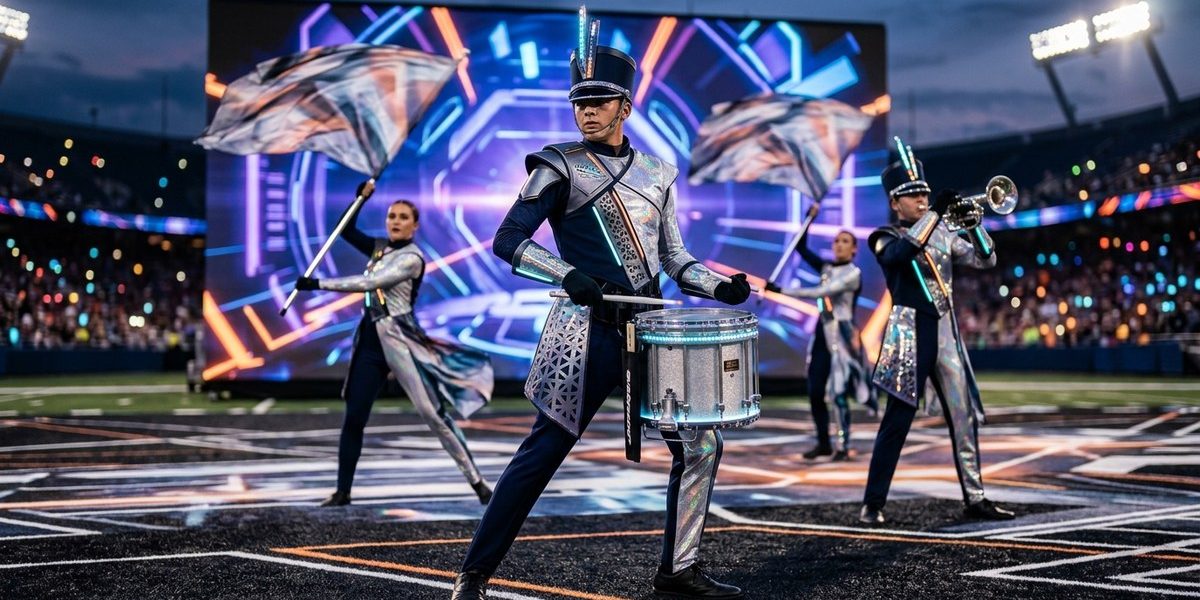
Getting a jump on the visual style for 2026 is essential for marching arts educators, designers, and band directors. This year promises a wave of fresh, daring, and innovative costuming and visual design trends that will elevate performances and captivate audiences. From sustainable materials to tech-infused visuals, the activity continues to push boundaries. Understanding what’s emerging now can help you craft a cohesive, impactful look that resonates with both judges and fans alike.
2026 visual trends focus on sustainability, technological integration, bold color palettes, and innovative textures, offering opportunities for creative expression and audience engagement.
Embracing Sustainability in Costumes and Visuals
Sustainability continues to influence design choices across the marching arts. In 2026, expect a shift toward eco-friendly materials and practices. Costumers are opting for recycled fabrics, biodegradable embellishments, and environmentally conscious manufacturing processes.
Designers are also repurposing costumes from previous seasons, creating layered, modular pieces that can be adapted for multiple shows. This approach not only reduces waste but also encourages creative reuse. For example, incorporating natural fibers like hemp or organic cotton can add texture while aligning with environmentally responsible goals.
Techniques to Incorporate Sustainability
- Use recycled fabrics and embellishments
- Opt for biodegradable or natural dyes
- Design modular costumes that can be layered or reconfigured
- Repurpose elements from past years for new themes
Common Mistakes to Avoid
| Mistake | Explanation |
|---|---|
| Overusing synthetic materials | They are less eco-friendly and can detract from the sustainable aesthetic. |
| Ignoring durability | Recycled fabrics must withstand movement and weather conditions. |
| Lack of planning for reuse | Costumes should be designed with future reconfiguration in mind. |
“Integrating sustainability into visual design is not just a trend but a responsibility. It encourages creativity while respecting our environment,” says veteran designer Lisa Carter.
Bold Colors and Dynamic Textures
2026 is all about making a visual statement. Expect to see bold, saturated color palettes that command attention from the stands. Bright reds, electric blues, and vibrant oranges are trending, especially when paired with contrasting accents.
Textures are also playing a key role. Designers are experimenting with layered fabrics, 3D embellishments, and reflective surfaces to add depth and movement. Embellishments like holographic sequins, metallic threads, and textured appliqués create dynamic effects under stage lights.
How to Use Color and Texture Effectively
- Choose a dominant color scheme that supports your theme.
- Use contrasting shades to create visual pops.
- Incorporate textured fabrics like ribbed, quilted, or embossed materials.
- Add reflective or holographic elements to catch the light.
Techniques to Enhance Visual Impact
| Technique | Benefit | Common Mistake |
|---|---|---|
| Layering fabrics | Adds depth and movement | Overloading with too many textures |
| Using reflective surfaces | Creates eye-catching effects | Overusing reflective elements that cause glare |
| Incorporating 3D embellishments | Adds dimension | Making costumes too heavy or cumbersome |
Tech-Infused Costuming and Visual Effects
Technology is transforming visual design in 2026. LED integration, fiber optics, and programmable fabrics are becoming mainstream. Costumes with embedded lights can change color or pattern during the performance, adding a new layer of storytelling.
Wearable tech allows for synchronized lighting effects that respond to music or movement. Designers are also experimenting with augmented reality overlays, where digital visuals complement physical costumes, creating immersive experiences.
Practical Steps for Incorporating Tech
- Choose lightweight, durable LED modules suitable for movement.
- Collaborate with tech firms specializing in wearable electronics.
- Plan for battery life and ease of costume maintenance.
- Test all tech elements thoroughly before performances.
Mistakes to Watch Out For
| Mistake | Explanation |
|---|---|
| Overloading costumes with tech | Can cause discomfort and technical failures. |
| Poor wiring or battery placement | Risks malfunction and safety hazards. |
| Neglecting user-friendliness | Costumes should be easy to wear and operate during shows. |
“Integrating technology into costumes opens endless creative possibilities. The key is balancing innovation with practicality,” advises tech designer Marcus Lee.
Minimalism Meets Maximal Impact
While bold and intricate designs are trending, minimalism is also making a statement in 2026. Clean lines, monochromatic palettes, and subtle textures allow performers to shine without distraction. Think sleek, streamlined costumes that highlight movement and form.
This approach emphasizes the power of simplicity, especially when paired with impactful staging and choreography. Minimalist costumes also tend to be more comfortable and easier to maintain, making them a practical choice for many ensembles.
Tips for Creating Minimalist Looks
- Use solid, bold colors with minimal embellishments.
- Focus on high-quality fabrics with subtle textures.
- Incorporate strategic accents like metallic trims or small appliqués.
- Prioritize fit and movement to enhance visual flow.
Common Pitfalls to Avoid
- Using dull or uninspiring fabrics that lack visual interest.
- Over-accessorizing, which defeats the minimalist aesthetic.
- Neglecting the importance of lighting to enhance simplicity.
Incorporating Texture and Movement into Visuals
Texture remains a crucial element in 2026 design. Designers are blending different fabrics and embellishments to create costumes that appear animated even at rest. Textured materials like quilted panels, ribbed fabrics, and embossed patterns add visual interest.
Movement is also emphasized through flowing fabrics, fringe elements, and layered designs. When costumes move in sync with choreography, they amplify the performance’s emotional impact.
Practical Process for Using Textures and Movement
- Select fabrics that respond well to movement, such as silk or chiffon.
- Add layered or fringed elements for visual flow.
- Use contrasting textures to define different costume sections.
- Test movement during rehearsal to ensure comfort and effect.
Techniques and Mistakes
| Technique | Effect | Mistake |
|---|---|---|
| Flowing fabrics | Creates dynamic visuals | Using fabrics that tangle or restrict movement |
| Layered textures | Adds depth | Overloading costumes, causing heaviness |
| Fringe elements | Enhances motion | Excessive fringe that becomes a distraction |
Final Tips for 2026 Visual Design Success
Designing costumes and visuals for 2026 is about balancing innovation with practicality. Keep sustainability in mind, incorporate bold colors and textures, and leverage technology thoughtfully. Always consider the comfort and mobility of performers.
Collaborate closely with your team, test elements thoroughly, and remain open to experimentation. The most memorable visual shows are those that tell a story through cohesive, creative design.
Getting ready for the visual season ahead
Implementing these trends can elevate your ensemble’s look and performance. Use them as inspiration to push boundaries and create costumes that resonate with your theme and audience. With a strategic approach, 2026 can be your most visually striking season yet.