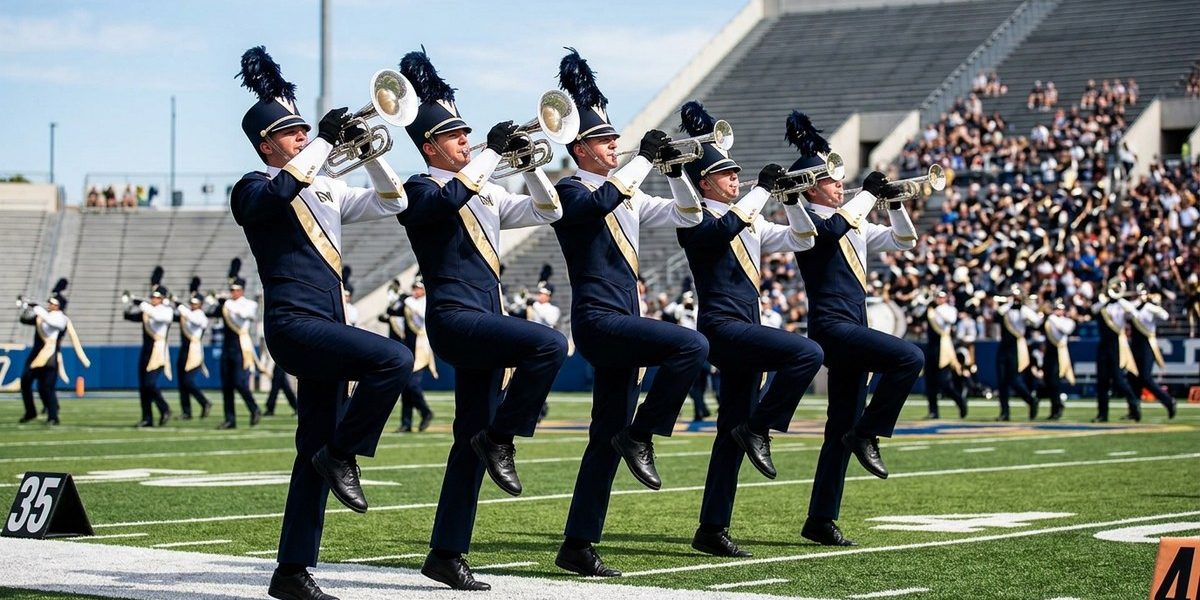
Striking the perfect balance between sharpness and fluidity on the marching field is essential for any drum corps or marching band member. Transition drills are the backbone of achieving that seamless flow from one formation or movement to another. When executed well, they make performances look effortless and polished. But mastering these transitions takes practice, focus, and understanding. This guide will walk you through practical techniques to develop your marching transition skills and elevate your overall marching quality.
Effective marching transition drills are crucial for fluid performances. Focus on clarity, timing, and body control to improve your skills. Practice consistently with specific drills to see progress and achieve precision that impresses judges and audiences alike.
Why Focus on Transition Drills Matters
Transition drills are more than just moving from point A to point B. They develop muscle memory, coordination, and timing. They help marchers stay in step, avoid awkward pauses, and look confident. Whether you are in a drum corps or a school marching band, smooth transitions contribute significantly to visual impact and overall performance quality. When all members execute transitions with precision, the entire ensemble appears synchronized and professional.
Key Elements of Effective Marching Transitions
To improve your transition technique, it’s important to understand the core elements involved:
- Timing: Moving at the right moment to match the rest of the group.
- Body Control: Maintaining posture and balance during the move.
- Footwork Precision: Ensuring steps are consistent and accurate.
- Visual Focus: Using your eyes to guide movements.
- Cadence Consistency: Keeping rhythm steady throughout the transition.
Mastering these elements takes dedicated practice. Incorporating targeted drills into your routine can accelerate your progress.
Practical Steps to Master Marching Transition Drills
Follow these steps to develop your transition skills systematically:
-
Define Your Transition Goals: Start by identifying specific movements you want to perfect, such as changing formations or executing step-offs. Break complex movements into smaller parts.
-
Set Up a Clear Routine: Choose drills that simulate real performance scenarios. For example, practice moving from a line formation to a circle or from a halt to a march. Use a metronome to keep consistent cadence.
-
Focus on Body Alignment and Posture: Maintain upright posture and relaxed shoulders. Keep your head up and eyes forward. Proper alignment helps with balance and coordination.
-
Break Down the Transition: Practice the move slowly, focusing on foot placement, body movement, and timing. Gradually increase speed while maintaining control.
-
Use Visual Cues and Landmarks: Fix your gaze on a point or marker to guide your movement. This helps prevent hesitation and keeps your steps aligned with the group.
-
Repeat with Purpose: Perform each drill multiple times, focusing on precision rather than speed. Recording your practice can help identify areas for improvement.
-
Incorporate Group Practice: Transition drills should be practiced with your entire ensemble when possible. Synchronization relies on collective timing and body cues.
-
Refine with Feedback: Seek input from instructors or peers. Use mirror drills or video recordings to analyze your form and timing.
-
Gradually Add Complexity: Once comfortable, incorporate turns, quick step-offs, or multi-directional movements. This prepares you for real performance challenges.
-
Maintain Consistency: Regular practice is the key. Short, focused sessions are more effective than infrequent long practices.
Top Marching Transition Drills for Building Precision
Here are some of the most effective drills to incorporate into your routine:
-
Straight-Line to Circle Drill: Move from a straight line to a circular formation smoothly. Focus on body control and foot placement.
-
Halt to March Transition: Practice stopping and starting on command with clean footwork and posture.
-
Step-Over Transition: Shift from one side of the body to the other, simulating turnarounds or sidesteps.
-
Speed Change Transitions: Practice moving from a slow step to a quick step and back, developing control during tempo shifts.
-
Lateral Movement Drill: Move sideways in unison, emphasizing foot placement and visual focus.
Common Mistakes and How to Avoid Them
| Mistake | How to Fix It | Explanation |
|---|---|---|
| Rushing transitions | Practice slowly first | Rushing causes loss of control and mismatched timing. Slow practice builds muscle memory. |
| Poor posture | Use mirrors or video | Slouching or leaning affects balance and appearance. Stay upright and relaxed. |
| Hesitation | Focus on visual cues | Fix your gaze forward and anticipate movements to prevent delays. |
| Uneven steps | Count steps and use markers | Ensure all members take consistent steps, especially during group drills. |
| Lack of focus | Practice in a distraction-free environment | Concentration improves coordination and timing. |
“The secret to flawless transitions is consistent practice with mindful attention to body mechanics and timing. When you focus on control first, speed and fluidity will follow naturally,” advises veteran marching instructor Mark Stevens.
Incorporating Transition Drills into Your Routine
To see real improvement, dedicate part of your daily practice to transition drills. Warm up with basic alignment exercises, then move into specific drills like the straight-line to circle. Use a metronome to maintain steady cadence. Record your sessions to track progress and identify areas needing adjustment.
When practicing with your entire group, communicate clearly and execute transitions in unison. Synchronization is the goal. Remember to keep movements sharp but controlled, and avoid unnecessary tension in your body.
Building Endurance for Long Performances
Transitions are physically demanding, especially during extended shows. Incorporate stamina-building exercises alongside your drills. For example, practice multiple transitions in succession to simulate fatigue. Maintaining good body control under tired conditions ensures your movements stay precise throughout the performance.
Final Tips for Perfecting Your Transition Skills
- Stay relaxed during all movements to prevent tension.
- Use your peripheral vision to keep track of fellow members.
- Visualize the entire movement before executing.
- Practice transitions at different speeds to develop adaptability.
- Be patient; mastery comes with consistent effort.
Keeping Your Marching Transitions Sharp in 2026
Consistent, deliberate practice of marching transition drills is the fastest way to improve your overall precision. Focus on control, timing, and body awareness. Incorporate these drills into your daily routine, and you will notice smoother, more confident movements on the field. Remember, every good marcher was once a beginner practicing the basics. Keep practicing, and your fluidity will set your ensemble apart.
Putting It All Into Motion
Applying these techniques in your rehearsals will bring noticeable improvement. Whether you’re adjusting to a new drill or refining your existing skills, dedicated effort pays off. As you develop muscle memory and confidence, transitions will become second nature. Keep your focus sharp, practice with purpose, and enjoy the process of becoming a more precise and fluid marcher. Your performances will shine brighter when every step is deliberate and seamless.