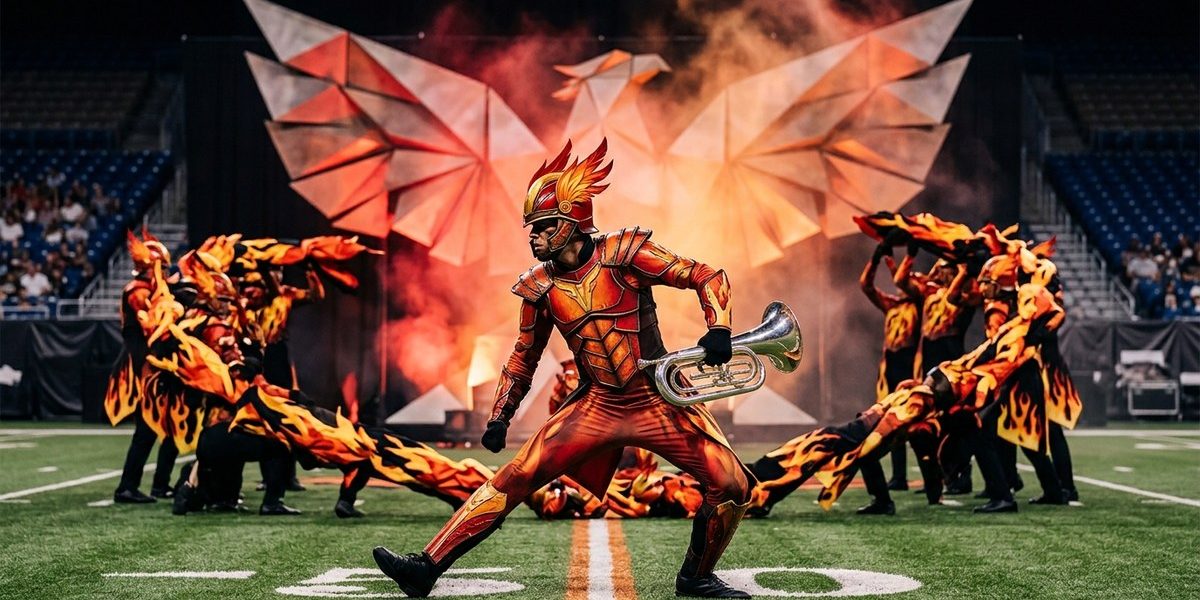
There are shows that win championships, and then there are shows that change the conversation. The Boston Crusaders' 2026 production, "Phoenix", did both. From the moment the first note rang out at the season opener, fans knew this wasn't just another drum corps show. It was a statement. It was raw. It was beautiful. And it sparked debates, tears, and standing ovations across the country. In this article, we'll break down exactly why this show became the most talked-about production of the 2026 DCI season.
The Boston Crusaders' 2026 Phoenix production blended incendiary visual storytelling with razor-sharp musicianship, creating a show that felt both intimate and monumental. Its emotional arc, from ashes to rebirth, resonated with a post-pandemic generation seeking hope. The design team's willingness to take risks paid off, earning the show a permanent place in DCI history.
From Ashes to Triumph: The Narrative That Connected
Every great show needs a story. Phoenix gave us one that felt deeply personal. The program traced a journey from destruction to renewal, using the mythical bird as a metaphor for the corps' own rise in the competitive landscape. Boston Crusaders have been climbing the ranks for years, and 2026 felt like their coronation moment. The show opened with a haunting, broken chorale. Brass players stood still, almost lifeless, as a lone trumpet cried out. Then the percussion ignited. It was the spark that set everything ablaze.
The visual design mirrored the story. Costumes shifted from gray ash tones to brilliant reds and golds. The drill forms began as scattered debris and slowly coalesced into a majestic phoenix wing. It wasn't just pretty. It told a clear story.
Key moments that sealed the deal
- The opening hit: At nearly 180 bpm, the corps launched into a powerful fanfare that immediately commanded attention. The battery locked in, and the brass wall punched through the stadium.
- The ballad: A reimagined version of "Dusk" by the corps' own composer featured a soloist who held the entire audience in silence. The color guard performed a stunning flag sequence that looked like flames dancing.
- The closer: The percussion feature transitioned into a fiery finale, with the entire corps forming a massive sunburst. The last chord hung in the air long after the final step.
Why Fans Couldn't Stop Talking About It
Phoenix wasn't just a show. It was a cultural event. Social media exploded after every performance. Memes, reaction videos, and long Reddit threads dissected every moment. Fans praised the brass section for their clarity at high tempos. They debated the meaning of certain visual moments. Some called it the best show Boston has ever produced. Others said it rivaled the all-time greats.
What made it different from other 2026 productions?
| Aspect | Phoenix (Boston Crusaders) | Other 2026 shows |
|---|---|---|
| Emotional arc | Clear rise from despair to joy | Often abstract or mood-based |
| Visual storytelling | Literal phoenix imagery woven into drill and props | Less direct narrative |
| Percussion writing | Innovative use of rhythmic fire effects | More traditional battery grooves |
| Brass difficulty | Exposed writing with high-wire passages | Often layered for safety |
| Fan reaction | Polarizing and passionate | Mostly positive but less urgent |
That table shows how Phoenix stood apart. It was risky. The design team did not play it safe. They asked performers to execute exposed, difficult passages while moving at breakneck speed. And they delivered.
The Technical Brilliance Behind the Magic
To understand why Phoenix became the season's benchmark, you need to know the craft under the hood. The drumline, for example, used a technique they called "ember rolls" — a combination of fast press rolls and rim clicks that mimicked crackling fire. The brass book demanded an unusually wide dynamic range, from whisper-soft intros to fortissimo climaxes.
Steps the design team used to build the show
- Theme selection: They chose the phoenix because it aligned with the corps' identity of resilience and rebirth after years of near-misses at finals.
- Music-first approach: The composer wrote the entire score before the drill was sketched, ensuring the music drove the emotion.
- Choreographing the fire: The color guard used custom flame-colored flags and torches (safely) to sell the burning effect.
- Drill mapping: The visual caption head designed the final set to look like a rising bird from every angle in the stadium.
- Final polish: The corps ran the show 50+ times in spring training to achieve the precision needed for the fast transitions.
"We wanted the audience to feel the heat. Not just see it. Every breath, every step, every note had to carry the weight of that rebirth." — Anonymous design team member, quoted in DCI's 2026 season wrap-up
A Cultural Flashpoint: Why It Divided and United
Not everyone loved Phoenix. Some traditionalists argued the show was too theatrical, too much like a Broadway musical. Others felt the scoring was unfairly high because of its narrative appeal. But those debates only added to the buzz. When a show makes people argue about it, you know it has staying power.
The cultural impact went beyond DCI. Marching bands across the country started programming "Phoenix" excerpts. The show's theme song trended on streaming platforms. Even non-drum corps fans posted about the viral moment when the trumpet soloist cracked a note and then recovered perfectly at the Atlanta regional. That moment of vulnerability made the corps human. It made people root for them.
How it changed the season's trajectory
The Phoenix show forced other corps to raise their game. Blue Devils, Bluecoats, and Carolina Crown all adjusted their programs mid-season to add more dramatic arcs. The judging community also paid attention. Caption heads noted that the show's effectiveness came from the marriage of music and visual in a way that felt organic, not forced. That lesson will likely influence show designs for years.
Lessons for Aspiring Performers and Designers
If you want to create a show that leaves a mark, there's a lot to learn from Boston Crusaders 2026 Phoenix.
- Trust your story: Don't be afraid of a clear narrative. Audiences connect with emotion.
- Take calculated risks: Exposed writing can fail, but when it works, it's unforgettable.
- Push technique: The brass and percussion levels in this show were a step above. Challenge your members.
- Make it visual: Every sound should have a visual counterpart. The fire motif wasn't just in the flags — it was in the drill, the uniforms, even the props.
For individual performers, this show demonstrates the importance of breathing and stamina. If you're working on your own skills, check out 5 Essential Breathing Exercises Every Brass Player Should Master. The demands of a show like Phoenix require that kind of preparation.
How 'Phoenix' Changed the Game for Future Productions
The 2026 Boston Crusaders Phoenix production will be studied and referenced for years. It proved that drum corps can be emotionally literate without losing competitive edge. It showed that a theme, if executed with total commitment, can lift a performance beyond notes and steps. Fans will remember where they were when they first saw the phoenix rise. Designers will revisit the show's structure as a model.
Whether you loved it or felt it was too bold, you have to admire the craft. The corps took a risk, and it paid off in a big way. The conversation around "Phoenix" isn't fading. It's evolving. And that's the sign of a truly iconic show.
So go rewatch that finals performance. Listen for the cracked note in the ballad. Watch the moment the color guard turns from gray to gold. And if you're a designer or performer, ask yourself: what's your phoenix moment? Because Boston showed us that the best shows aren't just played — they're lived.