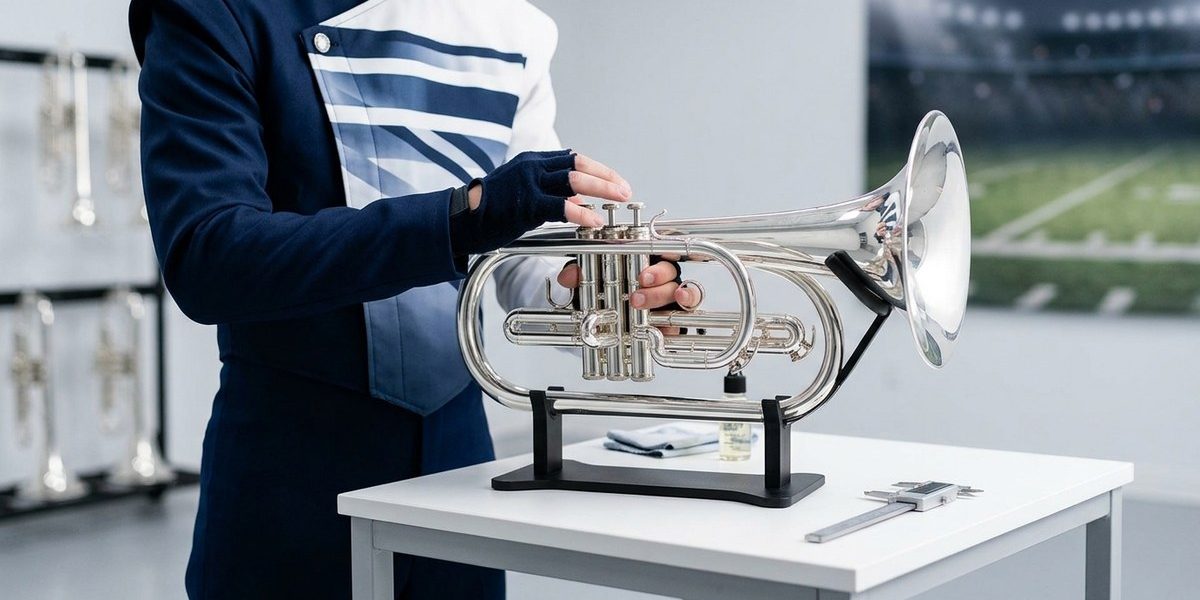
Getting the right marching mellophone can make a big difference in your performance and enjoyment. Whether you are a student stepping into the marching arts or a band director selecting equipment for your ensemble, knowing what to look for helps you make a smart choice. With so many options out there, it can feel overwhelming. This guide breaks down what matters most when buying a marching mellophone.
Understanding the Basics of a Marching Mellophone
Before diving into specific features, it helps to understand what makes a marching mellophone unique. It is a brass instrument designed to project sound outdoors during marching performances. Unlike concert horns, marching mellophones are built to withstand movement, vibrations, and outdoor conditions. They balance sound quality with durability and response, making them suitable for the fast-paced, physically demanding environment of marching band.
Key features to evaluate when selecting a marching mellophone
Choosing a marching mellophone involves considering various aspects. Here are the most important factors to keep in mind:
- Sound quality and projection
- Build and durability
- Response and playability
- Mouthpiece compatibility
- Weight and ergonomics
- Price and brand reputation
Let’s explore each in detail.
1. Sound quality and projection
A primary purpose of a marching mellophone is to produce a strong, clear sound that carries over loud outdoor environments. When testing instruments, focus on how evenly it produces tone across registers. A good marching mellophone should have a warm, full tone that can cut through the band and audience.
How to assess:
- Play a sustained note on each register.
- Listen for consistency and richness.
- Ensure the sound is not thin or nasally.
- Check if the instrument can produce a loud, projecting sound without forcing.
Expert tip: “A well-made mellophone should sound powerful and stable even at high volumes. If it sounds muffled or shrill, it might be a sign of inferior craftsmanship or poor design.”
2. Build and durability
Since marching involves a lot of movement and exposure to outdoor elements, durability is vital. Look for a sturdy construction that can withstand bumps, vibrations, and weather conditions. The body should be made of high-quality brass or plated materials that resist corrosion.
Features to check:
- Reinforced bell and leadpipe.
- Tight-fitting joints.
- Protective lacquer or finish for weather resistance.
- Strong, lightweight case options for transport.
Bulleted list:
– Opt for instruments with thicker brass walls for longevity.
– Avoid cheaper models with flimsy components.
– Consider the manufacturer’s warranty and customer reviews regarding durability.
3. Response and playability
Response refers to how quickly and easily the instrument reacts to your air support and embouchure. A responsive mellophone allows for precise articulations, quick transitions, and dynamic control.
How to evaluate response:
- Play scales and arpeggios across registers.
- Test the responsiveness of slides and valves if applicable.
- Check if the instrument feels comfortable in your hand and embouchure.
Note: A lighter instrument can be easier to handle during extended marching sessions, but it should not compromise sound or durability.
4. Mouthpiece compatibility
Most marching mellophones use standard or slightly modified mouthpieces. Ensure the instrument you select can accept common mouthpieces, which makes it easier to find a comfortable and suitable fit.
Considerations:
- Confirm the shank size and threading.
- Try a few mouthpieces to see which produces the best sound and comfort.
- Many models accept Yamaha or Bach mouthpieces, but verify compatibility before purchase.
“Choosing the right mouthpiece is just as important as picking the instrument. A good match can improve tone, response, and overall ease of playing.” – Brass expert
5. Weight and ergonomics
Marching requires holding and moving your instrument for long periods. A lightweight mellophone reduces fatigue and helps maintain consistent performance. Also, check ergonomics like thumb rings, shoulder straps, and hand position for comfort.
Tips:
- Test the instrument’s weight in your hands or during a short march.
- Look for models with comfortable, adjustable straps.
- Ensure the mouthpiece and finger buttons are positioned to minimize strain.
6. Price, brand reputation, and reviews
Quality marching mellophones come at various price points. While it might be tempting to choose the cheapest option, investing in a reputable brand often yields better sound and durability.
Trusted brands include: Yamaha, King, Getzen, and Conn.
Scan reviews:
– Look for consistent praise regarding sound, response, and build.
– Beware of models with frequent complaints about tuning issues or fragile parts.
Practical process to select:
- Set your budget: Decide how much you are willing to spend.
- Research brands and models: Use trusted sources like Drum Corps Central for reviews.
- Test in person: If possible, try out several instruments.
- Compare features: Use a checklist to evaluate sound, response, weight, and build.
- Read customer feedback: Online forums and reviews can reveal common issues.
- Make your purchase: Choose an instrument that balances quality and price, and comes from a trusted manufacturer.
Common pitfalls and how to avoid them
| Technique or Mistake | Why it Matters | How to Prevent It |
|---|---|---|
| Buying based solely on price | Lower cost can mean lower quality | Focus on reputable brands and reviews |
| Ignoring response and ergonomics | Difficult response hampers playing | Test response and comfort before buying |
| Overlooking mouthpiece fit | Poor fit affects tone and endurance | Try different mouthpieces or verify compatibility |
| Choosing a heavy instrument | Can cause fatigue during marches | Prioritize lightweight models with good balance |
| Neglecting weather-resistant features | Outdoor conditions impact longevity | Select instruments with durable finishes |
Expert advice for mastering your marching mellophone
“Investing time in testing different models and paying attention to response and build quality will pay off during your rehearsals and performances. Comfort and sound are key.”
Wrapping Up Your Selection Journey
Picking the right marching mellophone is a blend of understanding your needs, assessing key features, and choosing a trusted brand. Remember to prioritize sound quality, durability, response, and comfort. With patience and research, you’ll find an instrument that inspires confidence on the field.
Final thought: Get hands-on with a few options if you can. Play a few notes, march around, and see how it feels. Your perfect marching mellophone is out there waiting to elevate your performance.