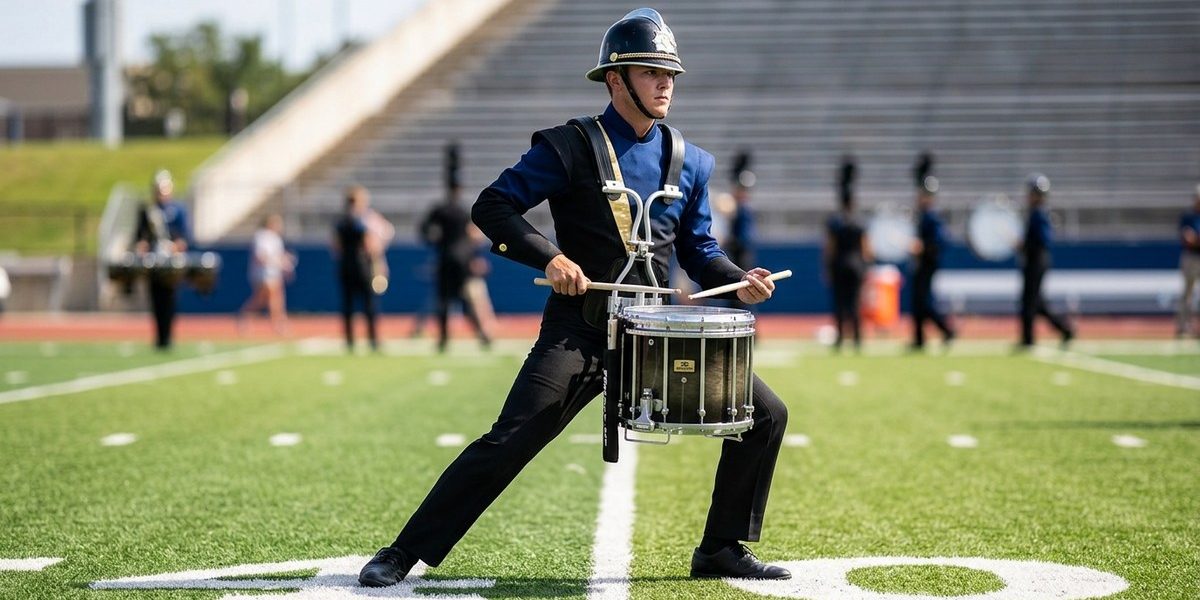
Getting your crab step just right can make a huge difference in your marching performance. Whether you’re new to the activity or looking to refine your skills, mastering this technique can boost your confidence and visual impact. The crab step is a fundamental movement that adds flair and precision to any drill. This guide offers a clear, approachable way to learn and perfect your crab walk, ensuring you move with control and style on the field.
Perfecting your crab step involves understanding [proper foot placement](https://www.cdc.gov/physicalactivity/basics/index.htm), maintaining balance, and practicing consistently. Follow these steps, avoid common mistakes, and you’ll see noticeable improvements in your marching style. With patience and attention to detail, your crab walk will become smooth, confident, and visually appealing, elevating your overall performance on the field.
Understanding The Basics Of The Crab Step
Before jumping into the techniques, it’s helpful to understand what makes the crab step special. Unlike regular marching, crab walking involves moving sideways with a low, controlled stance. It mimics the way a crab moves, with a distinctive side-to-side motion that adds flair to visual performances.
The key components include a wide stance, foot placement that ensures stability, and a rhythm that matches your overall drill. Mastering these basics sets the foundation for a refined crab step.
How To Perfect Your Crab Step Technique
Follow this straightforward process to develop a consistent and confident crab walk:
-
Start in a Low Stance
Stand with feet shoulder-width apart. Slightly bend your knees to stay low and balanced. Keep your chest up and shoulders relaxed. -
Position Your Feet Correctly
Place your lead foot pointing slightly outward, about shoulder-width apart. Your other foot should be aligned parallel or slightly turned outward, depending on your comfort and style. -
Step Sideways with Control
Shift your weight onto your lead foot. Step sideways with your other foot, maintaining a low stance. Focus on smooth, deliberate movements rather than rushing. -
Maintain Proper Arm and Body Mechanics
Use your arms for balance. Keep them bent and close to your body. Engage your core to prevent wobbling and keep your hips aligned. -
Practice Rhythm and Timing
Sync your steps with your marching cadence. Use a metronome or count beats to stay consistent. This ensures your crab walk complements your overall drill. -
Repeat and Refine
Practice small sections first. Slowly increase your speed while maintaining control. Record yourself if possible to identify areas for improvement. -
Add Style and Confidence
Once comfortable, experiment with arm movements or slight body lean to add personality. Confidence is key to making your crab step look natural and intentional.
Practical Drills To Improve Your Crab Walk
Here are some drills to help you internalize the technique:
-
Mirror Drills
Practice in front of a mirror to observe your foot placement and posture. Focus on keeping your movements smooth and balanced. -
Slow Motion Practice
Move very slowly to feel each muscle engagement. This helps develop muscle memory and control. -
Cadence Alignment
Set a metronome to match your marching cadence. Perform crab steps on each beat or every other beat to develop rhythm. -
Stationary Crab Walk
Stay in place and shift your weight side to side, working on keeping your hips level and your feet consistent. -
Transition Drills
Practice moving from a regular march into a crab step and back again. This improves versatility during performances.
Common Mistakes To Avoid
| Mistake | Why It Happens | How To Fix It |
|---|---|---|
| Overextending your legs | Leads to instability | Keep knees slightly bent and avoid locking joints |
| Moving too fast | Sacrifices control | Slow down and focus on deliberate steps |
| Poor foot placement | Causes wobbling | Practice foot positioning until it feels natural |
| Hunching shoulders | Affects posture | Keep shoulders relaxed and down |
| Not engaging core | Loss of balance | Incorporate core exercises into your routine |
Expert Advice On Perfecting Your Crab Step
“Focus on maintaining a low, balanced stance and moving intentionally. Speed comes after control. Practice in front of a mirror or record yourself to catch small errors early.” – Marching arts veteran
Tips To Make Your Crab Step More Effective
- Use your arms to counterbalance. Small arm swings help keep your hips steady.
- Keep your gaze forward or slightly downward. Avoid looking down at your feet.
- Practice on different surfaces to adapt your control. Grass, turf, or gym floors each offer unique challenges.
- Incorporate breathing exercises to stay relaxed. Tension can hinder fluid movement.
- Break down your practice sessions into manageable chunks. Focus on foot placement one day, rhythm another, and style later.
Addressing Common Challenges
Some students struggle with maintaining balance or feel awkward moving sideways. Remember, like any technique, it takes time. Set small goals, celebrate progress, and stay consistent. Over time, your crab walk will look natural and confident.
Enhance Your Marching Style With The Crab Step
The crab step isn’t just a visual flourish. When executed well, it enhances your overall marching presence, making your performance more engaging. Practice with patience and focus on control, and you’ll find your movements becoming more precise and stylish.
Keep Moving Forward With Confidence
Perfecting the crab step is about more than just footwork. It’s a blend of posture, rhythm, and attitude. Incorporate these steps into your regular practice and stay patient. With consistent effort, your crab walk will transform from a simple movement into a powerful visual tool that elevates your entire drill.
Final Thoughts: Your Next Step Toward Visual Excellence
The key to mastering the crab step is mindful practice. Focus on your stance, control your pace, and use drills to refine your technique. Over time, you’ll find yourself moving smoothly and confidently. Remember, every great marcher was once a beginner. Keep practicing, stay relaxed, and enjoy making your visual style stand out on the field.