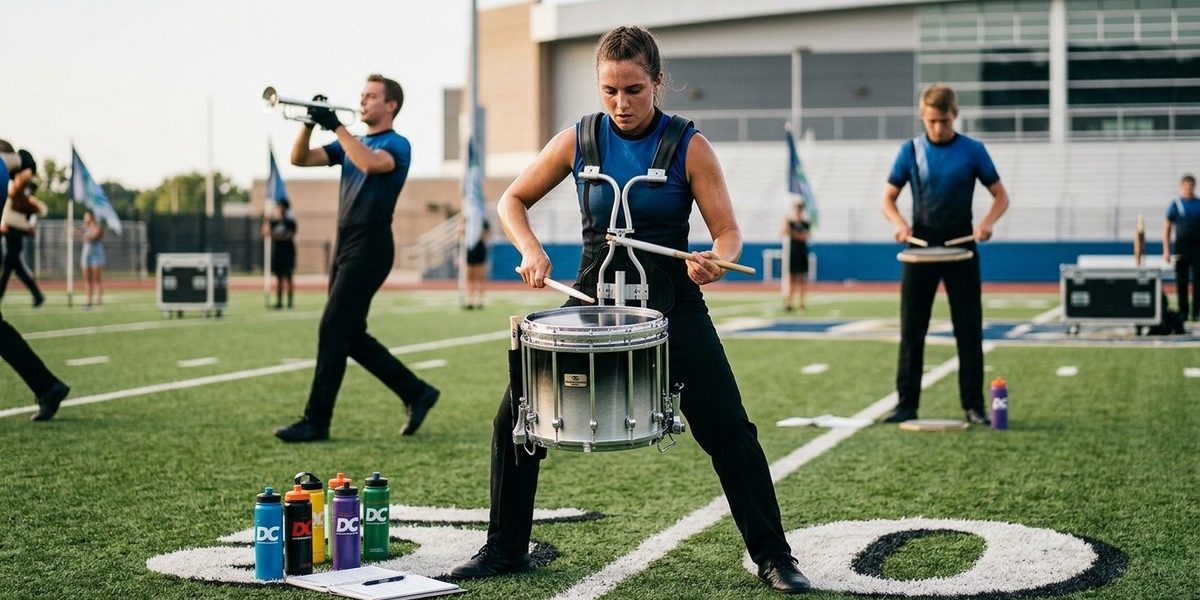
Building a solid practice routine is key to unlocking your full potential in drum corps. Whether you’re just starting out or looking to sharpen your skills for upcoming competitions, having a structured approach can make all the difference. Effective practice routines help you target specific skills, prevent burnout, and build confidence on the field. Let’s explore how you can develop routines that are both practical and impactful, leading to noticeable improvements in your marching and musical performance.
Consistent, focused, and well-structured practice routines are essential for advancing in drum corps. Incorporate targeted exercises, use proper techniques, and track progress regularly to see real performance gains over time.
The Foundations of Effective Practice Routines
Creating routines that truly elevate your drum corps skills involves understanding what makes practice effective. It’s not just about spending hours on the field, but about how you structure that time. Quality practice combines technique, endurance, musicality, and visual precision. The goal is to make each practice session purposeful, engaging, and capable of producing tangible results.
A good routine starts with setting clear objectives for each session. These might include mastering a difficult drill movement, perfecting a specific rudiment, or improving breath support for brass players. Equally important is maintaining a balance between challenging yourself and allowing time for recovery and reflection.
How To Build Effective Drum Corps Practice Routines
Developing a routine that works for you involves a few practical steps. Here’s a simple process to get started:
1. Set Specific Goals for Each Practice
Identify what you want to improve during your session. Goals should be clear and measurable, such as increasing your speed on a particular rudiment or achieving cleaner visual transitions. Write these goals down before you start. This focus keeps your practice efficient and goal-oriented.
2. Break Down Skills Into Focused Segments
Divide your practice time into sections that target different skills. For example, allocate 15 minutes to warm-up and breathing exercises, 20 minutes to drill precision movements, and 15 minutes to musical interpretation or visual storytelling. This segmentation ensures all areas of your performance are addressed systematically.
3. Use Effective Techniques and Tools
Incorporate tools like a metronome to keep your timing sharp or recording devices to review your progress. Techniques such as slow practice, visualization, and deliberate repetition help establish muscle memory and improve accuracy. For percussionists, exercises from https://drumcorps.cc/7-drumline-exercises-that-build-speed-and-accuracy-fast/ can be particularly beneficial.
4. Track Your Progress and Adjust
Keep a practice journal or log to note what worked and what didn’t. Review your recordings periodically to monitor improvement. If you notice stagnation, try adjusting your focus or increasing the challenge slightly. Consistent evaluation ensures your routines stay effective and relevant.
5. Incorporate Rest and Mental Focus
Rest is vital for muscle recovery and mental clarity. Short breaks during practice sessions prevent fatigue and keep your mind sharp. Also, include mental training routines, such as visualization or breathing exercises, to enhance focus. For brass players, https://drumcorps.cc/5-essential-breathing-exercises-every-brass-player-should-master/ can be incorporated into your warm-up.
Practical Practice Strategies for Drum Corps Members
Here are some specific methods for making your routines more effective:
-
Warm-Up Properly: Always start with gentle stretching and breathing exercises. This prepares your body and mind for intense practice. A thorough warm-up reduces injury risk and improves tone quality for brass players.
-
Focus on Technique First: Prioritize clean execution of rudiments, drill movements, and visual cues. Mastering fundamentals creates a strong foundation for more complex routines.
-
Use a Metronome Regularly: Maintaining consistent tempo helps develop timing precision. Practice at various speeds to build flexibility and control.
-
Record and Review: Listening to recordings of your practice reveals areas needing attention that might not be obvious during performance.
-
Practice Visuals Without the Instrument: Visual drill work can be practiced separately to improve clarity and timing. The https://drumcorps.cc/the-complete-guide-to-practicing-visuals-without-a-field/ provides great tips.
-
Simulate Performance Conditions: Practice as if you are in a show. Use full uniform, simulate movement patterns, and stay in character. This builds endurance and confidence.
-
Prioritize Quality Over Quantity: Focused, deliberate practice yields better results than mindless repetition. Use techniques like slow practice to refine movements.
-
Rest and Recovery: Schedule rest days and include stretching routines to prevent injury and fatigue. Proper recovery enhances performance quality.
Common Mistakes and How To Avoid Them
Even with good intentions, certain pitfalls can undermine your practice efforts. Recognizing these mistakes helps you correct course.
| Mistake | Why it hurts | How to fix it |
|---|---|---|
| Skipping warm-up | Increases injury risk and decreases focus | Always dedicate time to warm-up and stretching |
| Practicing without a plan | Wastes time and leads to stagnation | Set clear goals for each session |
| Rushing through exercises | Sacrifices quality for speed | Use slow practice to refine technique |
| Ignoring visual work | Limits overall performance | Incorporate visual routines separately |
| Not tracking progress | Hard to see improvement | Keep a practice journal or recordings |
| Over-practicing without rest | Causes fatigue and injury | Schedule breaks and rest days |
“Consistency and focus are the biggest drivers of progress in drum corps. Small, deliberate improvements each day add up to big gains over time,” advises veteran instructor Lisa Martinez.
Common Techniques for Better Practice Outcomes
To ensure your routines are productive, consider these techniques:
-
Slow Practice: Break down difficult passages and practice them at a slow tempo. Gradually increase speed once accuracy is achieved. This method helps ingrain correct movements and prevents bad habits.
-
Visualization: Mentally rehearse routines and visuals. Seeing yourself executing movements precisely prepares your brain and body for actual performance.
-
Chunking: Divide complex routines into manageable sections. Master each chunk before combining them for the full sequence.
-
Recording and Playback: Use your phone or recording device to review your practice. Listening critically reveals subtle mistakes and tracks progress.
-
Focused Repetition: Repeat specific sections until they feel natural. Avoid mindless repetition; instead, aim for precision each time.
Final Tips for Maintaining Effective Practice Routines
-
Be Patient: Skill development takes time. Celebrate small victories along the way.
-
Stay Inspired: Watch top corps performances and learn from their techniques and staging.
-
Mix It Up: Vary your routines to keep yourself engaged and challenge different skills.
-
Set Realistic Goals: Break larger objectives into smaller, achievable steps. This keeps motivation high.
-
Practice Mindfully: Stay present during each exercise. Focus on quality rather than just completing drills.
Keep Moving Forward with Purpose
Consistency in following effective routines will steadily improve your skills, endurance, and confidence in the field. Remember, quality practice is about deliberate effort, reflection, and persistent effort. Incorporate these strategies into your daily schedule, and you’ll notice your performance quality elevating over time. Keep pushing yourself, stay positive, and enjoy the journey of becoming the best performer you can be.
Ready to take your practice routines to the next level? Start by setting clear goals, breaking down your skills, and tracking your progress. With a focused approach, your growth in drum corps will be both steady and rewarding.