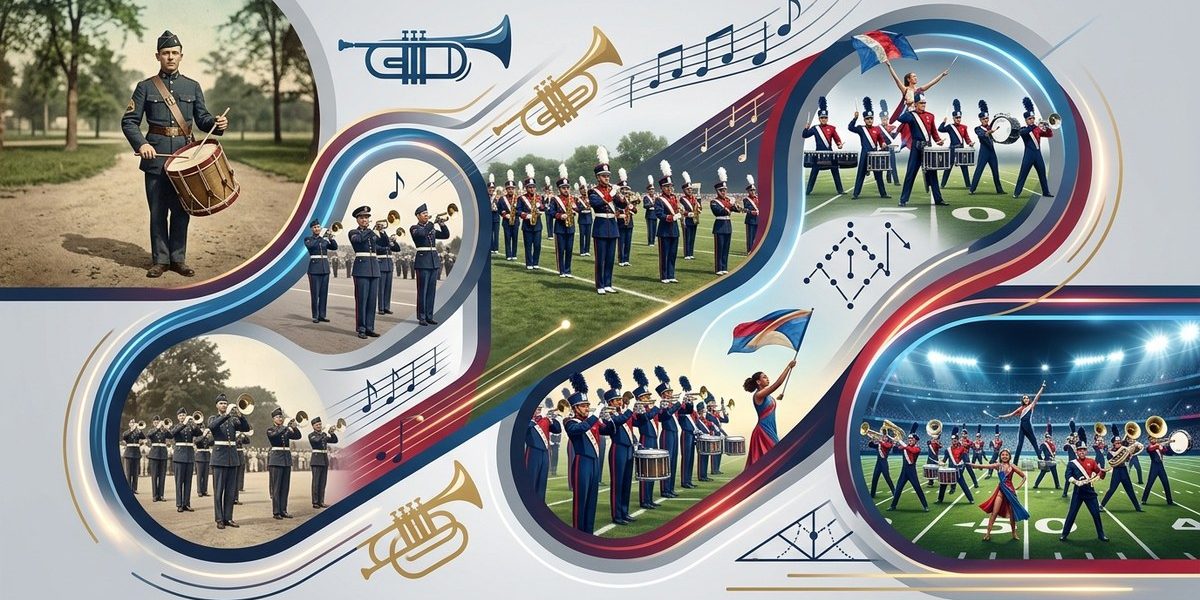
Drum corps has a rich and fascinating history that spans over a century. Its evolution reflects changes in music, technology, culture, and artistry. Understanding where it all began and how it grew offers a captivating look into a vibrant activity loved by many. From humble beginnings in local parades to national championships, tracing the roots of drum corps reveals a story of passion, innovation, and perseverance.
The history of drum corps showcases a journey of musical innovation and community spirit, evolving from small local groups into a globally recognized marching arts activity with rich milestones along the way.
Early beginnings and community roots
The story of drum corps starts in the late 1800s and early 1900s. Initially, marching bands formed primarily for civic events, parades, and local celebrations. These groups often consisted of volunteers who shared a love for music and marching. Their performances were simple but spirited, emphasizing community pride and entertainment.
In the 1920s and 1930s, these bands began to adopt more structured formations and routines. The growth of school programs and military bands influenced the activity, bringing more discipline and uniformity. During this period, the activity was largely regional with small competitions in local areas.
The rise of competitive marching
The 1950s marked a crucial turning point. As communities sought larger, more organized competitions, the activity began to formalize. The development of standardized rules, judging criteria, and regional championships helped elevate the activity’s profile.
In this era, groups started to incorporate more elaborate visual elements, including intricate drill formations and synchronized marching. The music also grew more diverse, blending traditional marches with jazz, swing, and early modern styles.
One pivotal moment was the formation of the Drum Corps International (DCI) in 1972. This organization aimed to create a national circuit for competitive drum corps, setting the foundation for the modern activity. DCI’s establishment helped unify the activity and provided a platform for innovation and higher standards.
Technological and stylistic innovations
The late 20th century saw major advancements that shaped drum corps into a high-performance activity. The introduction of new instruments, including electric keyboards and modern percussion equipment, expanded the sonic palette.
Visual presentation also evolved significantly. The activity embraced theatricality, storytelling, and advanced choreography. Corps began to craft shows that combined music, visuals, and electronics for a more immersive experience.
The 1980s and 1990s are often considered a golden age of innovation. The Blue Devils, Santa Clara Vanguard, and Phantom Regiment pushed boundaries with their creative designs. Their shows became more theatrical and technically demanding, inspiring others to follow suit.
Landmark milestones in drum corps history
Several milestones mark the activity’s journey. Here are some key moments:
- The founding of DCI in 1972 — Creating a national competitive circuit.
- The introduction of the modern hornline in the 1980s — Emphasizing musicality and full-bodied sound.
- The rise of visual storytelling in the 1990s — Corps like Blue Devils and Cadets showcased shows with intricate narratives.
- Adoption of electronics in the 2000s — Adding new textures and expanding creative possibilities.
- The evolution of show design — Moving from pure marching precision to integrated musical and visual storytelling.
Techniques that shaped the activity
Throughout its history, drum corps has employed various techniques that contributed to its unique character:
| Technique | Purpose | Common Mistakes |
|---|---|---|
| Precision marching | Maintain formation and timing | Overly stiff movements, rushed transitions |
| Visual storytelling | Engage audiences | Lack of clarity, inconsistent expressions |
| Musical layering | Create rich textures | Overloading with effects, losing clarity |
| Drumline choreography | Enhance show flow | Sacrificing musical precision, uneven timing |
Insights from the experts
“The evolution of drum corps shows a constant push for excellence in both music and visuals. The activity’s ability to adapt and innovate keeps it fresh and exciting.” — Marching arts historian
Incorporating these techniques with attention to detail has been vital. The activity’s growth is also driven by the relentless pursuit of excellence, pushing corps to refine every element of their performances.
Continuing innovation and future milestones
As drum corps advances, new milestones are likely to emerge. Recent developments include the integration of digital media, augmented reality, and more diverse musical styles. The activity continues to evolve with a focus on inclusivity, innovation, and artistic expression.
The future of drum corps might see even more immersive shows, blending traditional marching arts with cutting-edge technology. These innovations promise to captivate new audiences and preserve the activity’s relevance in a changing cultural landscape.
How to appreciate the roots of drum corps today
Understanding the historic milestones helps appreciate the activity’s depth and richness. Whether you are a newcomer or a seasoned fan, recognizing the activity’s roots enhances your experience. Attend local shows, follow the history of your favorite corps, or even participate yourself.
Practicing the techniques that have shaped drum corps can also deepen your connection. For instance, focusing on precision and visual storytelling can improve your own performance or support your local groups.
Keep marching forward with history in mind
The journey of drum corps is one of continuous growth and creativity. From modest beginnings to a global activity, each milestone reflects a collective effort to push boundaries and elevate artistry. By understanding how it all started, you can better appreciate the activity today.
Take the time to learn about its milestones, watch historic performances, and maybe even help pass on its story. Sharing this knowledge keeps the activity vibrant and alive for future generations.
Celebrating the ongoing march of drum corps
As drum corps continues to develop, its history remains a vital part of its identity. Every new show, innovation, or milestone builds on a legacy of dedication and artistry. Your involvement, whether as a fan, performer, or supporter, contributes to this ongoing story. Keep the spirit of the activity alive by embracing its roots and supporting its future.
Remember, the activity’s strength lies in its community and its drive for excellence. Celebrate its milestones and look forward to what’s next with enthusiasm and respect.