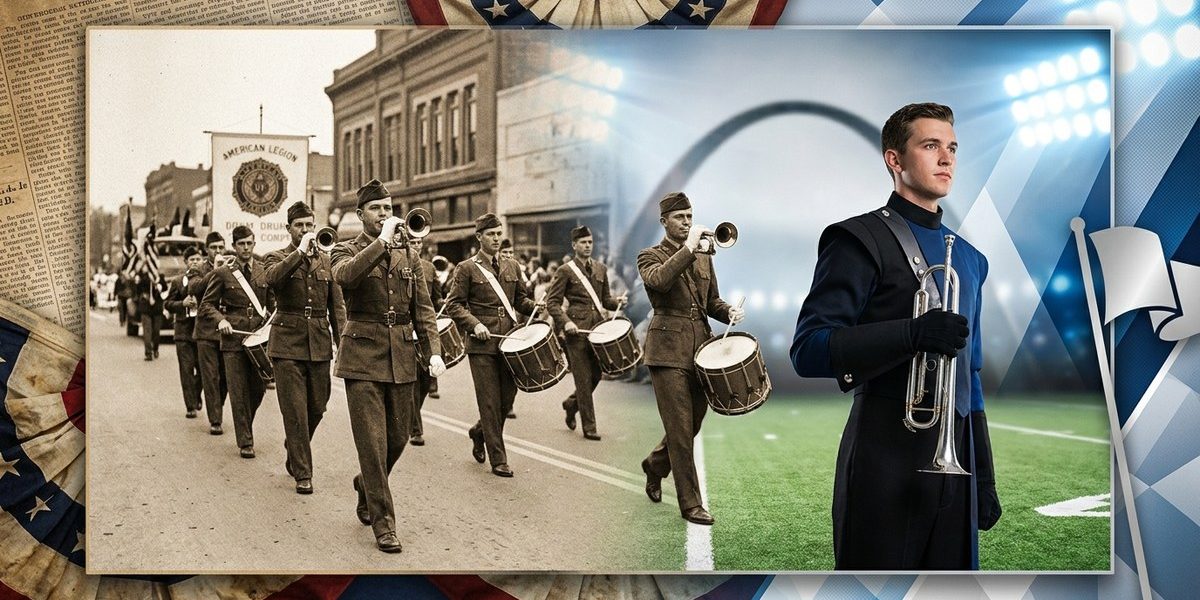
Drum corps have a rich history that stretches back over a century, capturing the spirit of competition, musical excellence, and visual storytelling. The story begins long before modern organizations took the stage. It is a tale of innovation, tradition, and evolution that continues to influence marching arts today. Understanding the origins of drum corps provides a deeper appreciation for the activity’s unique blend of music, marching, and showmanship.
The history of drum corps traces its roots to early 20th-century military and community bands, evolving through veteran organizations like the VFW and American Legion, which fostered competitive and entertainment-based activities that laid the groundwork for today’s marching arts scene.
Early Roots and Military Influence
The origins of drum corps can be traced to military bands that served both ceremonial and functional purposes. These groups used bugles, drums, and precision marching to boost morale and demonstrate discipline. As communities began forming their own bands, the focus shifted toward entertainment and competition, blending military traditions with local culture.
In the early 1900s, these bands became more organized, often participating in parades, festivals, and local events. The use of bugles and drums was practical, but musicians and leaders sought to develop more elaborate formations and routines. These early efforts laid the foundation for a distinctly American marching tradition.
Veteran Organizations and Competitive Beginnings
The 1920s and 1930s marked a pivotal era when veterans groups like the Veterans of Foreign Wars (VFW) and the American Legion began hosting national competitions. These organizations aimed to preserve the skills of service members while fostering community pride. Their championships became highly prestigious, drawing talented units from across the country.
During this period, drum corps focused on precision marching and musical excellence. Many units adopted standardized instruments like the G bugle, which allowed for uniform sound and easier maintenance. Competitions emphasized marching formations, musical discipline, and visual effects, setting standards still evident today.
The VFW and American Legion Era
The VFW and American Legion tournaments became the heartbeat of American drum corps from the 1940s through the 1960s. These events showcased the best units, often featuring elaborate drill designs and synchronized performances. The activities inspired a generation of young musicians and performers.
In this era, the activity was primarily amateur, with corps often sponsored by local communities, schools, or civic groups. The competitions were as much about camaraderie and community spirit as they were about winning. The emphasis on discipline and precision created a unique style that combined military discipline with entertainment.
The Rise of Drum Corps Style and Innovation
As the activity grew, corps began experimenting with new visual effects, music arrangements, and drill techniques. The 1960s and 1970s saw the emergence of innovative units that pushed boundaries. Corps like the Blue Devils and Santa Clara Vanguard introduced theatrical elements and complex choreography.
Instrumentation evolved as well. The transition from G bugles to Bb horns allowed for greater musical flexibility and a broader palette of sounds. Percussion sections became more prominent, adding rhythmic complexity and visual flair. These changes contributed to a more dynamic and engaging form of marching arts.
Transition to the Modern Scene
The 1980s and 1990s marked a turning point with the creation of Drum Corps International (DCI) in 1972. DCI helped organize national competitions, standardize judging, and promote the activity to wider audiences. This period also saw a surge in multimedia broadcasting and increased professionalism among corps.
During this time, the activity shifted toward more theatrical and thematic shows. Corps began using intricate staging, costumes, and storytelling to captivate audiences. The focus on innovation and high-level performance set the stage for the modern drum corps scene, which continues to evolve with new musical styles, visual effects, and performance techniques.
Reflection and Continued Evolution
Today, the history of drum corps remains a testament to creativity and perseverance. The activity has grown from humble beginnings rooted in military and civic bands into a global phenomenon. Alumni and current members continue to honor traditions while embracing new ideas.
Modern corps draw inspiration from past masters but also push boundaries with themes, technology, and multimedia integration. The activity’s roots in the VFW and American Legion days remain a vital part of its identity, reminding everyone of the activity’s humble, competitive, and artistic origins.
How To Appreciate the Roots of Drum Corps
- Research historical recordings to hear how early corps sounded and look at old drill formations.
- Visit local veteran organization events to see how community and military traditions influenced modern marching arts.
- Attend vintage shows or reenactments to experience the evolution firsthand and understand the roots of current performances.
Techniques and Common Mistakes in Understanding Drum Corps History
| Technique | Mistake |
|---|---|
| Focusing only on recent DCI shows | Ignoring the vital influence of veteran organizations like the VFW and American Legion |
| Assuming all drum corps are the same | Overlooking the evolution from military bands to theatrical, competitive units |
| Relying solely on modern narratives | Missing the importance of community and amateur roots in the activity’s development |
“Understanding the history of drum corps requires recognizing its military, community, and competitive origins. Appreciating this evolution enriches the experience of current performances and honors those who shaped the activity.” — Marching arts historian
Honoring the Foundations of the Marching Arts
The story of drum corps is one of continuous growth, rooted in tradition yet always reaching for new heights. From military drills to theatrical productions, the activity reflects the creativity and dedication of countless performers. Exploring its past helps us appreciate how far the activity has come and inspires future innovation.
Whether you are a student, a seasoned enthusiast, or simply curious about the activity’s origins, diving into its history offers valuable insights. Connecting with the roots of drum corps deepens your appreciation and encourages you to carry forward the legacy of discipline, artistry, and community spirit.
Remember, every note played and step marched is part of a story that began over a hundred years ago. By learning about this history, you become part of a tradition that continues to evolve and inspire. Step into the activity with respect for its past and excitement for its future.