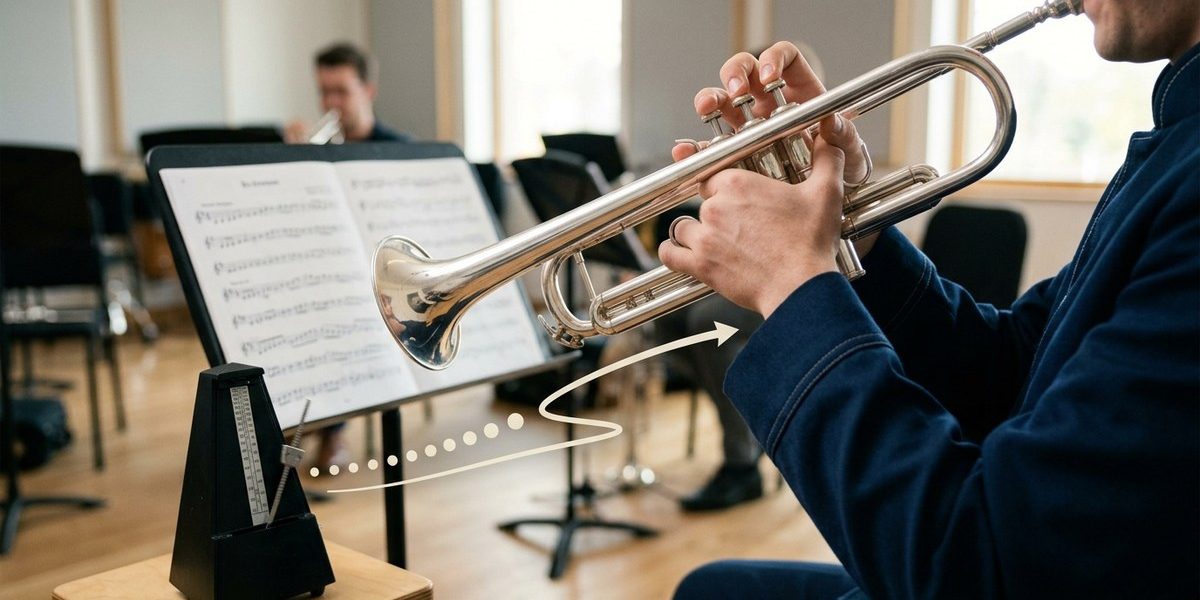
Struggling to push your brass playing speed without sacrificing tone or control? Increasing tempo during practice is a common challenge for many musicians. Whether you want to master faster passages or build endurance, knowing how to approach speed increases safely and effectively makes all the difference. Rushing can lead to sloppy technique or fatigue, so it’s essential to have a clear, mindful plan. This guide provides approachable, proven steps to help you raise your brass tempo naturally, without risking your sound or health.
Gradually increasing your brass tempo with mindful exercises and consistent practice helps build speed and control. Focus on small steps, prioritize proper technique, and use tools like metronomes to improve safely and naturally.
Understanding how to increase tempo in brass practice
Before jumping into speed, it’s important to understand what makes increasing tempo effective and sustainable. Rushing through passages can cause poor tone, tension, or even injury. Instead, gradual progress ensures your embouchure, breathing, and fingerings stay healthy while your speed improves. The goal is to develop muscle memory at each tempo level so that faster playing becomes second nature.
Practical steps to raise your brass tempo naturally
- Start Slow and Break It Down
The first step is to analyze the passage or exercise you want to speed up. Break it into smaller segments or phrases. Practice each part slowly, ensuring clarity and stability. Use a metronome set at a comfortable, manageable tempo—one where your tone remains clean and your technique feels effortless. Focus on consistency rather than speed.
- Incrementally Increase the Tempo
Once you can play a segment flawlessly at a slow tempo, increase the metronome marking by a small amount—around 2 to 4 beats per minute. Play the passage again, maintaining the same quality. If you notice tension, cracking, or loss of tone, dial back to the previous tempo. Repeat this process, gradually moving up in small steps. Patience is key here.
- Focus on Technique and Relaxation
Speed gains are rooted in proper technique. Prioritize relaxed breathing, a steady embouchure, and smooth fingerings. Incorporate exercises that build endurance and flexibility, such as long tones and flexibility drills. https://drumcorps.cc/5-essential-breathing-exercises-every-brass-player-should-master/ helps develop breath support, which is fundamental when increasing tempo.
Additional tips for safe speed increases
- Use a metronome consistently to develop a reliable internal sense of tempo.
- Avoid rushing or sacrificing tone quality for speed.
- Record yourself regularly to monitor tone, intonation, and overall sound.
- Practice with a focus on evenness and consistency rather than just fast playing.
Common mistakes to avoid when increasing tempo
| Mistake | Explanation | How to fix |
|---|---|---|
| Speeding up too quickly | Pushing tempo before technique is ready causes tension and mistakes | Follow small increments, stay relaxed |
| Neglecting tone quality | Sacrificing sound clarity for speed leads to poor performance | Maintain focus on tone at all tempos |
| Ignoring breathing | Holding breath or rushing breaths causes instability | Practice breath control exercises |
| Relying solely on metronome | Overdependence can cause mechanical playing | Incorporate rhythmic subdivision exercises |
“Patience and consistent practice are the best tools for increasing your brass speed. Never sacrifice tone or comfort just to play faster.” — a seasoned brass instructor emphasizes the importance of gradual progress.
Techniques that facilitate natural tempo increases
- Chunking: Break longer passages into manageable chunks, then gradually connect them at higher tempos.
- Visualization: Mentally rehearse the passage at faster speeds to prepare your muscles and mind.
- Muscle memory building: Focus on correct fingerings and embouchure adjustments at slow tempos, then let your muscles memorize the movements.
- Repetition with variation: Practice the same passage in different articulations or dynamics to reinforce adaptability and control.
Techniques and mistakes at a glance
| Technique | Common Mistake | How to Improve |
|---|---|---|
| Slow practice | Playing too fast too soon | Focus on slow, precise playing first |
| Incremental tempo increase | Jumping in too quickly | Stick to small, consistent increases |
| Focused repetition | Rushing through exercises | Prioritize quality over speed |
| Relaxation drills | Tension in face or body | Incorporate warm-ups and stretching |
Incorporating speed-building into your routine
Consistency is vital. Dedicate part of each practice session to speed exercises, gradually pushing your limits. For example, set aside 10 minutes specifically for slow to fast technical work. Use https://drumcorps.cc/how-to-build-a-perfect-30-minute-individual-practice-routine/ to craft a balanced program that includes warm-ups, technical drills, and cool-downs. Remember, speed is a product of technique and endurance, not just raw effort.
Final thoughts on increasing brass tempo naturally
Raising your speed in brass playing should be a steady, mindful process. Celebrate small wins along the way. Focus on relaxed technique, proper breathing, and consistent practice. Over time, your ability to play faster will feel more natural and sustainable. Patience and persistence will lead to more confident, clean, and expressive playing at higher tempos.
Keep moving forward at a comfortable pace
Every musician progresses at their own rate. By approaching tempo increases gradually and with care, you set yourself up for long-term growth. Incorporate these steps into your daily routine and stay attentive to your body and sound. With patience and dedication, faster playing will become a natural part of your brass journey.