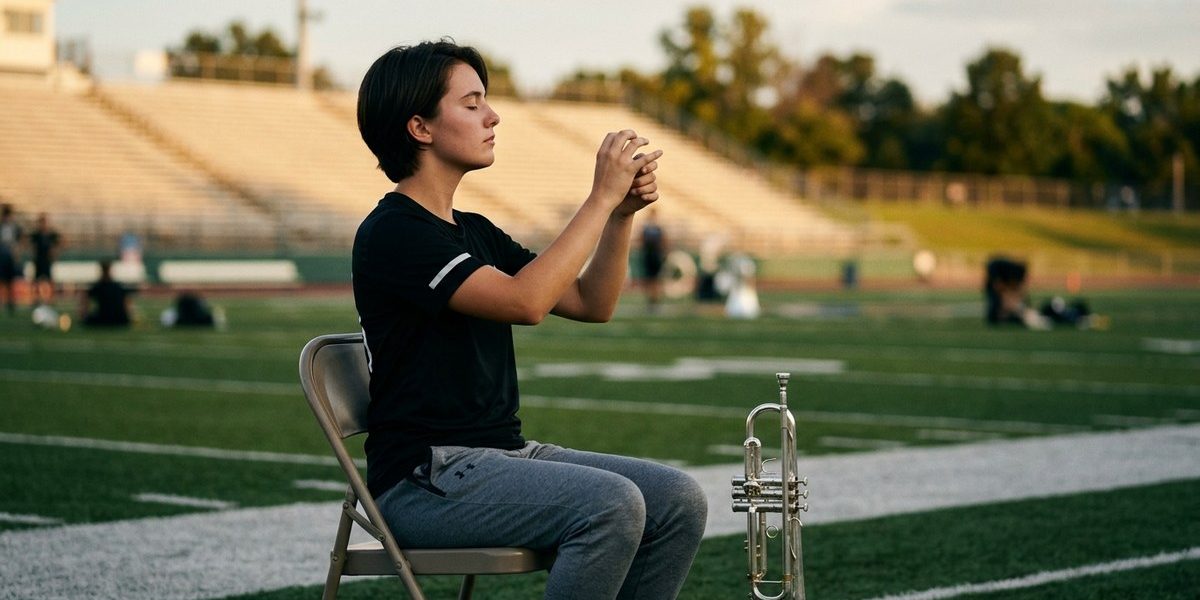
When it comes to excelling in the marching arts, physical practice is just one part of the equation. Many top drum corps brass sections understand that mental training is equally vital for reaching peak performance. Mental practice helps players internalize routines, improve focus, and develop resilience against on-field pressure. By mastering mental techniques away from the horn, brass musicians gain confidence and consistency that set them apart during competitions. This approach is a game changer for anyone serious about improving their marching and playing skills.
Top drum corps brass sections swear by mental practice techniques away from the horn to improve focus, [reduce anxiety](https://www.cdc.gov/healthyschools/mentalhealth/index.htm), and enhance performance consistency. These methods develop mental resilience, reinforce muscle memory, and prepare players for high-pressure situations, making them an essential part of any serious brass training routine.
Understanding the Power of Mental Practice in Brass Performance
Mental practice involves visualizing playing, focusing on technique, and rehearsing performances in your mind. Many top drum corps brass sections use this strategy to complement physical rehearsals. It helps in consolidating muscle memory, increasing focus, and building confidence. Unlike just thinking about playing, effective mental training involves structured visualization that mimics real playing conditions.
Musicians often underestimate the mental aspect of performance. However, research shows that mental rehearsal can activate similar brain regions as actual playing. This neural activation strengthens the pathways needed for precise articulation, intonation, and endurance. For drum corps brass players, this means they can improve their sound and technique without wearing out their embouchure or taking additional horn time.
Practical Steps to Incorporate Top Drum Corps Brass Mental Practice
-
Create a dedicated mental practice routine
Set aside 10 to 15 minutes daily for mental rehearsal. Find a quiet, comfortable space where you can focus without distractions. Use guided visualization to imagine yourself on the field, executing your part flawlessly. Picture the environment, your posture, breathing, and fingerings. This consistency builds mental muscle memory over time. -
Visualize your performance in detail
Imagine the entire show, from start to finish. Focus on specific sections that challenge you. Hear the sounds in your mind and see yourself performing with confidence. Pay attention to details like breath control, articulation, and body movements. Visualizing success reduces anxiety and primes your brain for actual execution. -
Simulate pressure situations
Mentally rehearse scenarios where you feel nervous or pressured. Picture a challenging passage, a missed note, or a tricky drill. Practice calming techniques like deep breathing or positive self-talk during these moments. This mental resilience prepares you to stay composed during real performances.
Techniques to Maximize Mental Practice Effectiveness
- Use imagery and multisensory visualization: Imagine sights, sounds, smells, and feelings associated with performing. The more vivid the imagery, the stronger the neural activation.
- Practice mental focus: Concentrate on specific technical aspects like tone quality, dynamic control, or articulation clarity.
- Break down complex passages: Visualize small sections at a time to master difficult parts.
- Incorporate breathing exercises: Use breath control techniques during visualization to mimic physical warmups.
- Record your mental sessions: Keep a journal of your visualizations and note improvements or recurring challenges.
Common Mistakes to Avoid in Mental Practice
| Mistake | Explanation | How to Fix It |
|---|---|---|
| Rushing through visualizations | Skipping details reduces effectiveness | Take your time to imagine each step thoroughly |
| Lack of consistency | Inconsistent practice weakens gains | Make mental practice a daily habit |
| Using vague imagery | Vague visuals limit brain engagement | Focus on specific sounds, sights, and feelings |
| Ignoring physical cues | Forgetting to incorporate breathing or posture | Combine mental with physical warmups for best results |
| Overthinking during actual playing | Over-analyzing instead of trusting your training | Use mental rehearsal to build trust and confidence |
“Mental practice is a proven tool used by many of the best performers in the marching arts. When done consistently and with focus, it prepares your mind to perform under pressure and reinforces your muscle memory.” — Dr. Emily Harper, sports psychologist specializing in performance training
Connecting Mind and Body for Better Brass Performance
While mental practice has powerful benefits, it works best when combined with physical routines. For example, pairing visualization with https://drumcorps.cc/5-essential-breathing-exercises-every-brass-player-should-master/ can enhance breath support and posture. This synergy helps develop a resilient mindset and physical readiness.
Many top corps members also use mental rehearsal to prepare for specific challenges, such as complex drill movements or intense endurance sections. Visualizing these scenarios helps reduce anxiety and improves execution. Incorporating mental practice into your daily routine creates a holistic approach that nurtures both your mind and body.
How To Make Mental Practice Part Of Your Routine
- Schedule it daily: Consistency is key. Practice visualization at the same time each day, like after warmups or before bed.
- Set clear goals: Focus on specific skills or passages during each session.
- Use recording tools: Record yourself describing your mental sessions or use guided visualization apps.
- Partner with a coach: Get feedback on your mental routines to ensure you’re visualizing effectively.
- Track progress: Keep a journal to note how mental practice impacts your on-field performance.
Creating a Culture of Mental Resilience in Your Brass Section
Top drum corps foster mental toughness by encouraging players to develop mental routines. Sharing success stories about mental rehearsal can motivate others. Incorporate group visualization sessions during rehearsals to build team focus and confidence.
Remember, mental training is not a shortcut but a vital part of comprehensive performance preparation. By dedicating time to mental exercises away from the horn, you reinforce your skills and prepare for any challenge that comes your way.
Building Confidence Beyond the Horn
Mental practice helps you internalize routines, reduce performance anxiety, and develop a steady mindset. When you trust your mental rehearsal, your physical execution becomes more confident and consistent. This approach is especially helpful during high-stakes competitions when nerves can interfere with performance.
In the end, top drum corps brass sections swear by mental training because it makes a real difference. It transforms uncertainty into confidence and stress into focus. Incorporate these mental techniques into your routine and watch your performance elevate on the field.
Stay committed to your mental practice and let it become a natural part of your preparation. The more you visualize success, the more it becomes a reality during your next performance.