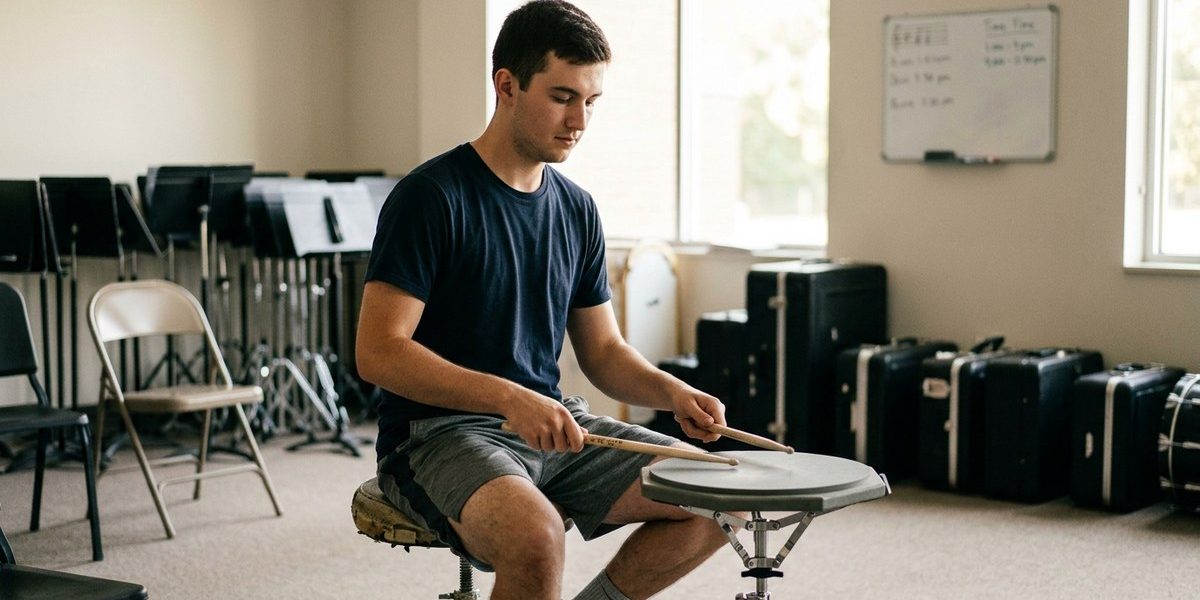
Feeling drained but still want to keep your body moving? When fatigue hits, pushing through a high-intensity workout isn’t the best choice. Instead, gentle, low-impact exercises can keep you active and help your body recover without adding stress. These movements are perfect for days when energy is low but staying consistent with your fitness or practice routine remains important. You can still build skills, improve mobility, and maintain your momentum without risking injury or burnout. Let’s look at practical ways to stay active when exhaustion takes hold.
When feeling exhausted, gentle low-impact exercises help maintain movement, improve flexibility, and prevent injury. They support recovery while keeping you engaged in your fitness or practice routine, making progress sustainable even on tired days.
Why choosing low-impact exercises when exhausted makes sense
Engaging in high-intensity workouts when fatigued can lead to overuse injuries or mental burnout. Low-impact exercises provide a way to stay active without putting undue strain on joints or muscles. These movements help promote circulation, enhance mobility, and reinforce good habits. They also allow your body to recover while still maintaining a sense of discipline and routine. For athletes, musicians, or anyone committed to consistent training, integrating gentle exercises into your schedule supports long-term progress.
How to practice when you’re exhausted without overdoing it
Here is a step-by-step guide to help you stay active safely on low-energy days:
-
Assess your energy levels
Before starting, gauge how tired you feel. If you’re feeling only slightly worn out, you can do light movements. If fatigue is severe, focus on very gentle stretches or breathing exercises. -
Choose the right exercises
Opt for activities that are low-impact and easy to perform. Think of movements that don’t require jumping or heavy lifting, which can strain your body when tired. -
Keep your session short and simple
Limit your workout to 10 to 20 minutes. Focus on quality over quantity. Gentle movements can still build skill and mobility without overwhelming your system.
Low-impact exercises when exhausted: practical options
Here are some of the best ways to stay active without taxing your body further:
-
Walking at a relaxed pace
Walking is one of the simplest and most accessible low-impact activities. A slow stroll outdoors or around your home can help loosen tight muscles and clear your mind. -
Seated or standing stretching routines
Gentle stretches focus on major muscle groups. Stretch your hamstrings, calves, shoulders, and neck to improve flexibility and relieve tension. -
Breathing exercises
Deep breathing or diaphragmatic breathing can reduce stress and oxygenate your muscles. They also help calm your mind after a tiring day. -
Yoga or gentle flow sequences
Restorative yoga or slow-flow routines emphasize mindful movement and stretching. They improve mobility and support recovery without overexertion. -
Core stabilization movements
Gentle core exercises such as pelvic tilts, bird-dogs, or seated torso twists strengthen your midsection without heavy strain. -
Water-based activities
If accessible, water walking or water aerobics provide resistance training with minimal joint impact. -
Foam rolling or self-massage
Using a foam roller can release muscle tightness, improve circulation, and prepare your body for future activity.
Techniques to maximize benefits and avoid common mistakes
| Technique | Mistake to Avoid |
|---|---|
| Slow, controlled movements | Rushing through exercises, risking strain |
| Focusing on breath control | Holding your breath during stretches |
| Maintaining good posture | Slouching or overextending during stretches |
| Staying within comfort zones | Pushing beyond pain or excessive fatigue |
| Incorporating mindfulness | Disregarding mental cues to rest or stop |
Expert tip: “Listening to your body is key. When you feel any discomfort or pain, stop and switch to a gentler movement. The goal on low-energy days is to promote recovery, not to push your limits.” — Certified trainer and physical therapist.
Common mistakes to watch out for
-
Overstretching when muscles are tired
Overstretching can cause micro-tears or soreness. Keep stretches gentle and avoid bouncing. -
Ignoring fatigue signals
If your body signals exhaustion or discomfort, respect those cues. Rest or switch to a very light activity. -
Skipping warm-up and cool-down
Even gentle exercises benefit from brief warm-up and cool-down phases to prevent stiffness. -
Performing exercises with improper form
When tired, form can slip. Use mirrors or record yourself to ensure movements are controlled.
Building a sustainable routine with low-impact workouts
Incorporate these exercises regularly to support your overall fitness or practice progression, especially during recovery or busy days. Aim for consistency rather than intensity. For example, dedicating five to ten minutes daily to mindful stretching or breathing can have a cumulative positive effect over time. Remember, the goal is to keep your body moving without risking setbacks.
When to skip exercise altogether
Sometimes, fatigue signals that your body needs rest. If you’re feeling extremely exhausted, experiencing pain, or have signs of illness, it’s best to prioritize rest. Turning down a workout on those days allows your body to recover fully, making your next session more effective. Rest is an essential part of any training plan and supports your long-term progress.
Embracing low-impact practice for your health and growth
Even on days when energy is low, maintaining gentle movement ensures your body stays adaptable and resilient. These exercises help you avoid setbacks and stay committed to your goals. Over time, they build a foundation of mobility and strength that supports more intense training when you’re ready. Remember, consistency and listening to your body are the keys to a balanced routine.
Keep moving mindfully to stay in harmony with your body
Low-impact exercises when exhausted are about honoring your current state while staying engaged. Incorporate regular gentle movements into your routine to foster recovery, improve flexibility, and prevent injury. With patience and care, you can maintain your momentum even during your most tired days. Your body appreciates the kindness, and your progress will thank you.
Stay gentle, listen closely, and keep moving at a pace that honors your body’s signals. Even small steps support your journey and keep your skills sharp for when energy levels rise again.