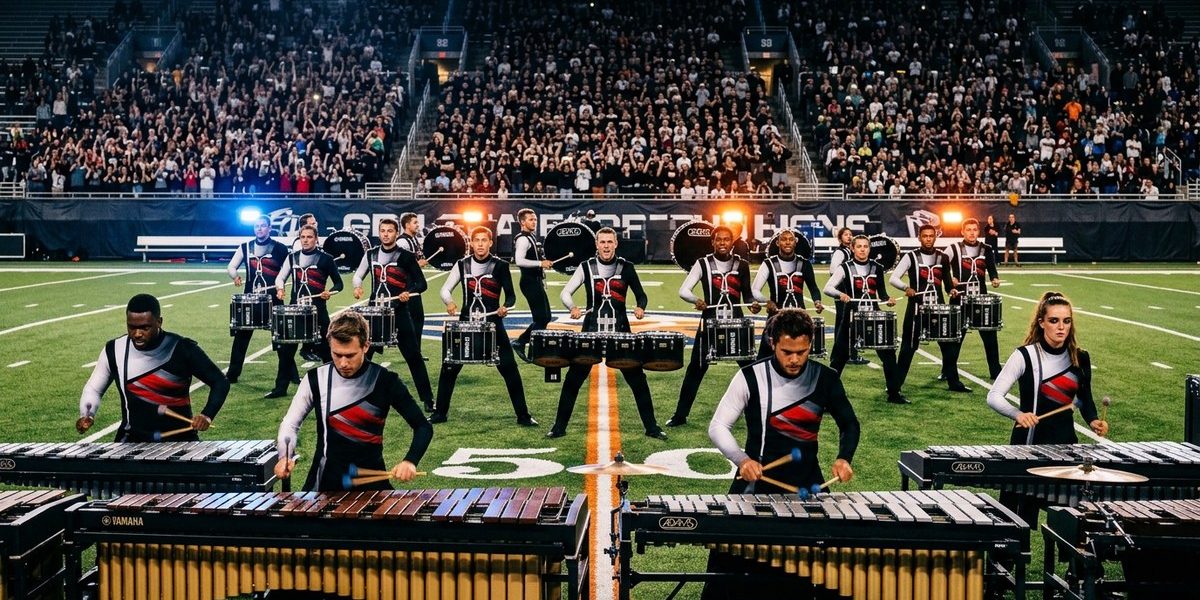
Drum corps performances are renowned for their visual spectacle and musical precision. Among the most striking elements that captivate audiences are percussion features standalone moments. These segments showcase percussionists not just as part of the ensemble but as the main focus, delivering powerful, memorable moments that often define a show’s success. Over time, these moments have transformed from simple interludes into intricate, standalone highlights that command the audience’s attention and often become the most talked-about parts of a show.
Percussion features have grown into standalone moments that highlight the artistry and technical skill of percussionists, turning them into show-stopping highlights that elevate performances and deepen audience engagement.
The Evolution of Percussion Features Into Standalone Moments
In early drum corps shows, percussion sections primarily supported the musical arrangements. Their role was to provide rhythm, accents, and foundational dynamics. Over time, as the activity grew more sophisticated, percussion sections began to develop their own expressive capabilities. This shift was driven by the desire to create more engaging, memorable performances that could stand on their own.
The trend toward percussion features standalone moments gained momentum during the 1980s and 1990s. Drum corps designers started to recognize the visual and musical impact of allowing percussionists to showcase their skills outside the traditional role. These sections began to perform complex routines, intricate rhythms, and dynamic displays that captivated the crowd and added a new layer of artistry to the show.
Why Percussion Features Became Standalone Highlights
Several factors contributed to the rise of percussion features as standalone moments worth the price of admission.
Increased Complexity and Skill
Percussion programming evolved to include more complex rhythms, choreography, and visual elements. Drumline routines became mini-performances that required high levels of coordination and precision. This complexity turned these segments into exciting spectacles that fans eagerly anticipated.
Visual Impact
Percussion features often involve dramatic staging, synchronized movements, and dynamic visual effects. This visual storytelling draws the audience’s eye and makes the moment more than just a musical highlight. The visual and musical elements combined create a compelling experience.
Audience Engagement
As drum corps audiences grew more sophisticated, they appreciated moments that showcased individual and group skill. Percussion features provided a chance for soloists or groups to shine brightly, engaging viewers and adding variety to the overall performance.
Artistic Expression
Percussionists now craft routines that tell stories or evoke emotions. These moments often serve as emotional peaks or thematic highlights within the show. The artistry involved makes these moments stand out as meaningful and memorable.
How Percussion Features Stand Alone in Modern Shows
Today, percussion features have become almost an art form within drum corps. They are carefully designed to be captivating, technically impressive, and visually stunning. Here are some ways these moments are crafted to be standalone highlights:
- Choreographed routines that combine drumming with movement, creating a visual dance.
- Use of props and staging to add drama and focus attention.
- Solo and small group performances that highlight individual musicianship.
- Dynamic lighting and visual effects that amplify the impact.
- Musical complexity that pushes the boundaries of technical skill.
Practical Steps to Develop a Standalone Percussion Moment
For percussion designers or performers looking to craft these impactful moments, consider these steps:
- Identify the show’s emotional or thematic climax.
- Design routines that showcase unique skills or visual elements.
- Incorporate storytelling or thematic elements into the routine.
- Practice with precision and synchronization.
- Use staging, props, and lighting to enhance visual appeal.
Techniques for Creating Effective Standalone Moments
| Technique | Purpose | Common Mistakes |
|---|---|---|
| Focused musical phrasing | Highlights technical skill | Overloading routines with complexity |
| Synchronization | Creates visual impact | Lack of timing precision |
| Use of visual elements | Enhances storytelling | Excessive movement distracting from music |
| Solo or small group spotlight | Showcases individual talent | Neglecting ensemble cohesion |
| Dynamic staging | Builds drama | Poor placement or movement timing |
“A great percussion feature is more than just a display of skill. It’s about telling a story through rhythm and movement that resonates with the audience.” — marching arts expert
Building Memorable Percussion Highlights
Creating percussion moments that stand alone requires careful planning and execution. Here are some tips to make sure your moments leave a lasting impression:
- Prioritize clarity and precision.
- Balance technical difficulty with musicality.
- Match visuals with musical energy.
- Incorporate moments of silence or contrast for impact.
- Rehearse with full staging and lighting to simulate performance conditions.
Recap of Best Practices
- Focus on storytelling through rhythm and visuals.
- Practice with tight coordination.
- Use staging to emphasize key moments.
- Keep routines engaging without overwhelming the audience.
The Artistry Behind Standalone Percussion Moments
These moments are not just about technical prowess. They involve artistic choices that amplify the emotional and visual impact. Percussionists often serve as storytellers, using rhythm as a language to convey feelings, themes, or narratives.
In many championship-winning shows, percussion features have become signature elements that define the overall aesthetic. These moments are often the most memorable parts of the show, prompting applause and standing ovations.
Final Thoughts on Creating Impactful Percussion Features
Developing these standout moments involves balancing technical skill, visual storytelling, and musical expression. When executed well, percussion features become the heartbeat of a show, energizing performers and captivating audiences alike. They remind us that percussion is more than rhythm — it’s a form of artistic storytelling that can stand alone and still leave a powerful impression.
Encourage your percussion team to think creatively about how each routine can serve as a standalone highlight. With careful planning, precision, and artistic vision, these moments will elevate your performances and become the signature elements that audiences remember long after the show ends.