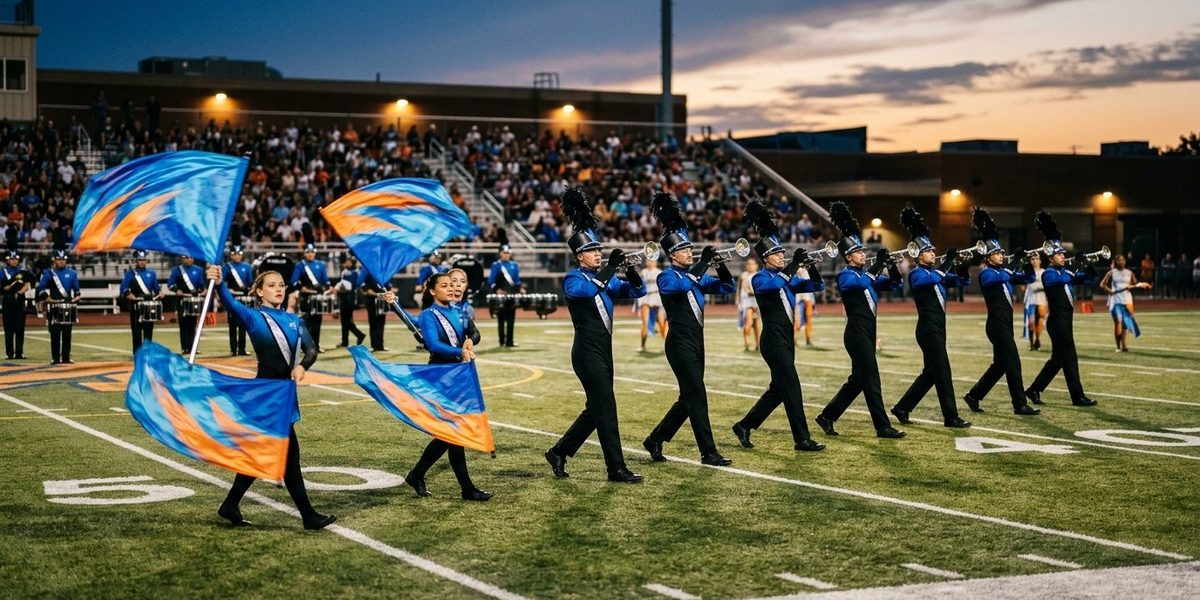
Building a compelling drum corps performance goes beyond just executing each move correctly. It’s about creating a visual story that captivates the judges and audience alike. The backbone of this storytelling lies in the mastery of visual line techniques. When your visual lines are sharp, synchronized, and intentional, your entire show gains a heightened sense of impact. Whether you’re instructing a corps or fine-tuning your own skills, understanding and applying these techniques can elevate your marching to a new level of excellence.
Refining your visual line techniques enhances the overall impact of your drum corps performance, making every movement look intentional, synchronized, and powerful. Focus on alignment, spacing, and flow to create a cohesive visual story that resonates with judges and audiences alike.
The Importance of Visual Line Techniques in Drum Corps
A visually compelling drum corps performance hinges on how well the members maintain their visual lines. These lines refer to the straight, clean, and consistent shapes formed by the performers’ bodies and equipment during movement. When executed properly, they create a sense of uniformity and precision that heightens the performance’s impact.
Good visual lines help communicate the show’s story, mood, or theme. They also contribute to the overall symmetry and balance on the field. Judges often evaluate visual impact through criteria like clarity, consistency, and difficulty. Improving your visual line techniques ensures your corps appears disciplined, confident, and dynamic.
Why Visual Lines Matter
- Creates a sense of unity: Well-maintained lines make the corps look synchronized.
- Enhances visual clarity: Clear, straight lines make formations more readable.
- Boosts aesthetic appeal: Proper alignment and flow look polished and professional.
- Supports musical and thematic storytelling: Visuals reinforce the emotion or story of the show.
Practical Steps to Improve Your Visual Line Impact
-
Focus on body posture and alignment
-
Master spacing and placement
-
Coordinate transitions and flow
-
Implement consistent visual principles during rehearsals
-
Utilize feedback from visual techs and judges
Below, we’ll walk through each step in detail, with tips and common pitfalls to avoid.
1. Focus on body posture and alignment
Your body is the primary tool for creating strong visual lines. Proper posture ensures clean lines and reduces unnecessary movements that can break the visual flow.
- Keep your shoulders relaxed but upright.
- Use your core muscles to stabilize your body.
- Maintain a slight bend in the knees for balance.
- Look straight ahead or slightly upward; avoid tilting your head down or up excessively.
Tip: Practice standing and marching in front of a mirror to develop awareness of your posture. Video recordings can also help identify alignment issues.
2. Master spacing and placement
Spacing determines how your body and equipment form visual lines across the field.
- Use visual markers or tape on the floor during rehearsals to establish correct distances.
- Be mindful of the “visual triangle” when forming shapes. All members should be equidistant to maintain symmetry.
- During movement, keep spacing consistent, even during fast transitions.
Common mistake: Allowing gaps to widen or tighten unexpectedly during complex formations. Regularly check spacing with a partner or visual tech.
3. Coordinate transitions and flow
Transitions are moments when visual lines can become broken or distorted. Smooth, deliberate movements keep lines intact.
- Plan transitions with specific focus on maintaining the line shape.
- Use arm and body movements that flow naturally from one position to another.
- Practice slow-motion transitions to perfect the flow before increasing speed.
Expert advice: “Transitions are where many corps lose visual impact. Prioritize precision and fluidity over speed.”—visual design expert
4. Implement consistent visual principles during rehearsals
Consistency is key to sustaining impactful visual lines.
- Use drill charts and diagrams to reinforce formation shapes.
- Incorporate visual scoring criteria into rehearsals.
- Break down complex visuals into segments and practice them slowly.
5. Utilize feedback from visual techs and judges
External feedback helps identify subtle issues.
- Record rehearsals and review with a visual tech.
- Attend clinics or workshops focused on visual technique.
- Observe how judges score visual impact and adjust accordingly.
“A fresh set of eyes can catch alignment inconsistencies and suggest improvements that might go unnoticed during regular rehearsal.” — marching arts specialist
Common Mistakes in Visual Line Execution
| Technique | Mistake |
|---|---|
| Maintaining posture | Slouching or leaning, causing crooked lines |
| Spacing | Allowing gaps to widen or bunching members together |
| Transition flow | Jerky or abrupt movements breaking the visual line |
| Formation awareness | Not verifying spacing during movement |
| Consistency during rehearsals | Failing to reinforce visual principles regularly |
Quick Reference for Visual Line Excellence
- Keep your body aligned and upright at all times.
- Use visual cues and markers for spacing.
- Practice transitions slowly before increasing tempo.
- Record and review rehearsals critically.
- Seek external feedback regularly.
Expert Tips for Sharp Visual Lines
“Consistency in posture and spacing is the foundation of great visual impact. Regular drills focusing on alignment and flow will make your visual lines stand out.” — seasoned visual caption head
Final Thoughts on Impactful Visual Lines
Refining visual line techniques is about more than just looking neat on the field. It is about creating a visual language that communicates power, discipline, and artistry. By paying close attention to alignment, spacing, and flow, you turn simple movements into compelling visual moments that enhance your entire show.
Encourage your corps to view each movement as part of a larger story. Practice with intention, seek honest feedback, and always aim for clarity and precision. When your visual lines are deliberate and flawless, your performance becomes unforgettable.
Elevate Your Visual Presence on the Field
In the end, the key to impactful drum corps visuals lies in the details. Small adjustments in posture, spacing, and transition flow can make a significant difference. Make these principles a part of your daily rehearsal routine, and watch your corps develop a commanding visual impact that resonates with every judge and audience member.
Remember, every step in refining your visual techniques builds toward a more cohesive, powerful performance. Keep practicing with purpose, and let your visual lines tell a story that captivates the field every time you perform.