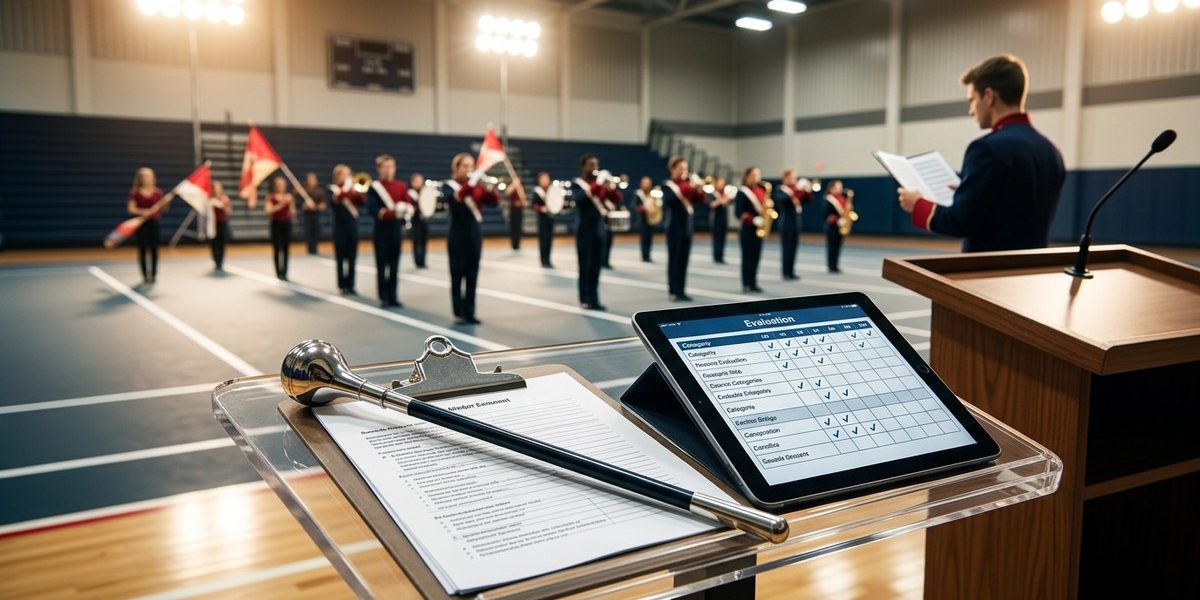
Getting ready for a marching arts competition can feel overwhelming, especially with new judging criteria changing the game. Whether you are a band member, director, or parent, understanding what judges are looking for and adapting your rehearsals accordingly makes a big difference. This guide offers practical steps to help you align your preparation with the latest standards and improve your chances of success.
Understanding the new judging standards and what they mean for your team
Judging criteria evolve to reflect the activity’s focus on both musicality and visual storytelling. Recent updates often emphasize clarity, synchronization, and overall presentation. For many, this means shifting from a purely technical approach to a more holistic performance mindset. To prepare effectively, start by studying the specific changes introduced by judges each season.
Keep in mind that the goal is to meet or exceed these new expectations by refining your group’s execution and presentation. This understanding provides the foundation for all other steps you take in preparation.
“Knowing what judges prioritize allows your team to focus rehearsals on critical areas, leading to more consistent and compelling performances.” — Expert marching arts coach
Preparing for new judging criteria involves understanding the updated standards, aligning your rehearsals with those expectations, and focusing on clarity, synchronization, and overall presentation to stand out in competitions.
Step-by-step guide on how to prepare for judging criteria in marching arts competitions
1. Study the judging rubric and recent feedback
Begin by reviewing the official judging rubric for the upcoming season. Many organizations publish detailed criteria that outline what judges evaluate. Pay close attention to sections on visual execution, musicality, and overall effect.
Additionally, watch videos of recent performances that scored highly. Analyze how those groups meet the new standards. Take notes on their movement precision, musical phrasing, and visual storytelling. Understanding current benchmarks helps set clear rehearsal goals.
2. Incorporate targeted rehearsals to meet new standards
Once you know what judges are looking for, design rehearsals that target those areas:
- Visual clarity: Practice marching with sharp, precise movements. Use marking time drills to improve synchronization.
- Musical expression: Focus on dynamics, phrasing, and tone quality. Use https://drumcorps.cc/5-essential-breathing-exercises-every-brass-player-should-master/ to ensure your brass section maintains clarity and power.
- Overall effect: Rehearse transitions, staging, and interactions. Record rehearsals to spot areas needing improvement.
Create a schedule that balances cleaning visuals with musical refinement. Remember, consistency is key to meeting the standards judges will evaluate.
3. Use video analysis and peer feedback
Recording rehearsals provides valuable insights. Watch footage with your team to identify discrepancies in timing, posture, and expression. Encourage constructive peer critique focused on the judging criteria.
For expert tips on visual accuracy, see This resource can help your group refine movement and staging even without access to the field.
4. Focus on clean execution and finishing touches
Judges appreciate performances that look polished. Dedicate time to refining details like:
- Uniform uniformity and posture
- Facial expressions that match the performance mood
- Smooth transitions between sections
Use a checklist aligned with the rubric to ensure no detail is overlooked. Repeating these steps often leads to performances that feel cohesive and professional.
5. Prepare mentally and physically for the performance day
A confident, relaxed team performs better under pressure. Incorporate mental training routines and breathing exercises to reduce nerves. For example, https://drumcorps.cc/why-your-warmup-might-be-holding-you-back-and-how-to-fix-it/ can help your team warm up effectively.
Ensure all equipment and costumes are tour-ready. Double-check that instruments are tuned and visual elements are in place. A well-prepared team will naturally meet the expectations set by judges.
Techniques to embrace and mistakes to avoid
| Techniques to embrace | Common mistakes to avoid |
|---|---|
| Consistent visual cues | Ignoring the importance of timing |
| Clear, expressive movements | Rushing transitions or cuts |
| Detailed video reviews | Over-cleaning to the point of rigidity |
| Focused rehearsal objectives | Neglecting musical phrasing |
| Using performance recordings for critique | Relying only on rehearsals without feedback |
Expert advice for aligning your performance with judging standards
“Sometimes the difference between good and great is attention to detail. Focus on the quality of every movement and every note. That extra polish can make your performance stand out.” — Marching arts judge
Practical approaches to preparing for new standards
- Create a rehearsal timeline that explicitly addresses the updated rubric.
- Break down each visual and musical element into manageable segments.
- Conduct mock judging sessions to simulate competition conditions.
- Involve all team members in understanding the criteria, so everyone performs with purpose.
- Keep a performance journal to track progress and identify persistent issues.
Final thoughts on making your group competition-ready
Adapting to new judging criteria requires commitment and an open mind. Focus on clarity, synchronization, and overall presentation. Use recordings to refine your work and maintain a positive attitude through the process. Remember, every rehearsal is an opportunity to improve.
Encourage your team to stay flexible and receptive to feedback. With deliberate effort and a thorough understanding of the standards, your group can deliver performances that impress judges and captivate audiences.
By methodically aligning your rehearsals with the latest expectations, you set your team up for success. Keep practicing, stay motivated, and enjoy the journey of growth in the marching arts.