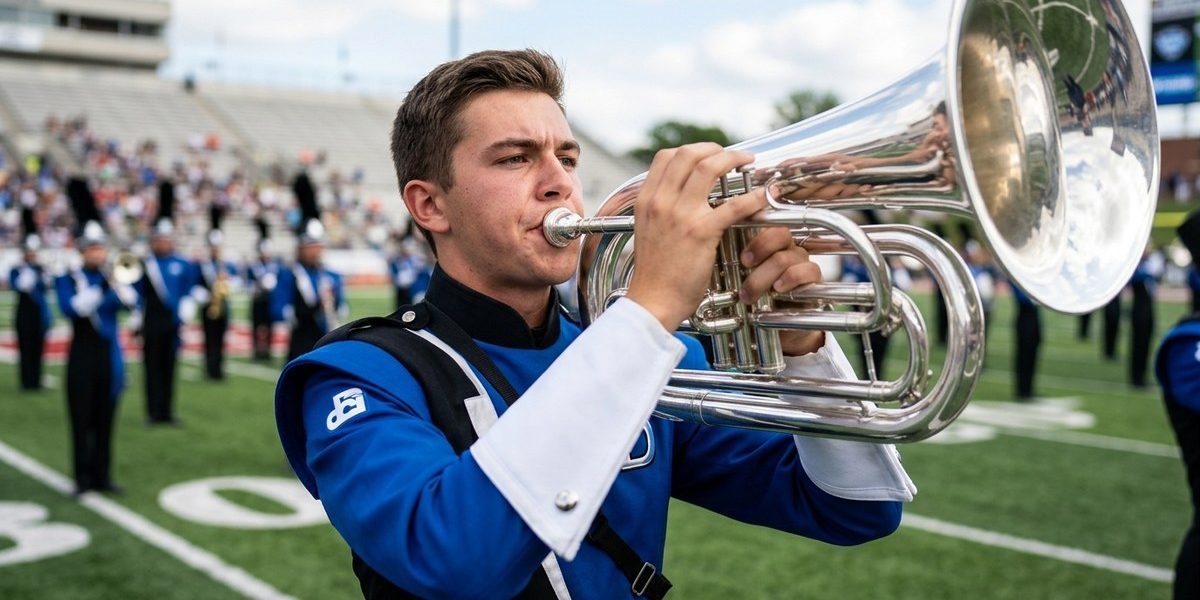
Struggling with tuning issues or neck discomfort during rehearsals and performances? You might be surprised to find that your breathing pattern plays a significant role. Many musicians and drum corps performers unknowingly adopt breathing habits that hinder their sound quality and cause physical strain. Understanding how to optimize your breathing can lead to better tuning, enhanced stamina, and reduced discomfort, making your practice more effective and enjoyable.
Improper breathing patterns can cause tuning inconsistencies and neck pain. Learning to breathe correctly supports better sound, posture, and overall health for marching musicians.
How breathing patterns impact tuning problems
Breathing is fundamental to producing a steady, controlled sound. When your breathing is shallow, inconsistent, or tense, it affects your airflow and pressure. This can lead to pitch fluctuations, difficulty sustaining notes, and problems with tuning. For brass players especially, a stable airflow is key to maintaining pitch accuracy. If your breath support is insufficient or uneven, your instrument’s response becomes unpredictable, creating tuning issues that are frustrating to correct.
In addition, poor breathing habits often cause physical tension. Many performers hold unnecessary neck or shoulder stiffness when they breathe improperly. This tension can translate into neck pain and discomfort, especially during long rehearsals or performances. Over time, these habits can even lead to chronic pain or injury, making it harder to perform at your best.
Recognizing common breathing mistakes among marching performers
- Shallow breathing that only expands the upper chest
- Breathing with tension in the neck or shoulders
- Holding your breath or taking irregular breaths
- Breathing too quickly or too slowly for the performance needs
- Using only the chest muscles instead of engaging the diaphragm
These mistakes disrupt airflow and reduce efficiency. They also contribute to tuning inconsistencies because your body isn’t providing a steady, controlled breath. Recognizing these habits is the first step toward fixing them.
Practical steps to improve your breathing and reduce tuning issues
Improving your breathing pattern involves conscious practice and awareness. Here are three steps to get started:
-
Focus on diaphragmatic breathing: Place your hand on your stomach and breathe deeply so that your abdomen expands outward with each breath. Avoid excessive movement in your shoulders or chest. This technique provides a more stable airflow.
-
Maintain relaxed posture: Keep your neck and shoulders loose. Good posture allows your diaphragm to work effectively and prevents tension that can cause neck pain and affect your tuning.
-
Practice controlled breathing exercises: Regularly set aside time for exercises that promote steady airflow. For example, inhale slowly through your nose for four seconds, hold for two, then exhale evenly for six seconds. Repeat this to develop consistent breath control.
Here’s a simple process to implement these improvements:
- Find a quiet space and sit or stand comfortably.
- Place your hand on your belly to monitor breath depth.
- Inhale slowly through your nose, filling your diaphragm.
- Exhale evenly through your mouth or nose, maintaining a relaxed jaw.
- Repeat for five to ten minutes daily.
Techniques to support better breathing patterns
| Technique | What It Is | Common Mistakes | How to Correct |
|---|---|---|---|
| diaphragmatic breathing | Deep belly breathing engaging the diaphragm | Breathing shallow in the chest | Focus on expanding your stomach during inhales |
| relaxed exhalation | Even, controlled release of air | Forcing exhalation or rushing | Exhale slowly and evenly, avoiding tension |
| nasal breathing | Breathing through the nose | Mouth breathing during exertion | Practice nasal breathing to improve airflow and filter particles |
| breath pause | Briefly pausing after inhaling | Holding breath too long or too short | Find a comfortable pause that maintains flow |
Common mistakes in breathing and how to fix them
| Mistake | Effect | Fix |
|---|---|---|
| Shallow chest breathing | Inconsistent airflow, tension | Use diaphragmatic exercises regularly |
| Overusing neck muscles | Neck pain, poor tone | Relax shoulders and neck; strengthen core support |
| Rushing exhalation | Pitch instability | Practice slow, controlled exhales |
| Mouth breathing | Dry mouth, less efficient | Switch to nasal breathing during practice |
“The key to resolving tuning problems linked to breathing is developing awareness and consistency. Regularly practicing controlled breathing helps you produce a stable airflow, which translates into better pitch control and less physical strain.” — breathing specialist
How correct breathing supports performance and health
Proper breathing patterns not only improve tuning but also help prevent neck pain and fatigue. When you breathe deeply with your diaphragm, you distribute tension more evenly across your body. This reduces unnecessary strain on your neck and shoulders, making long rehearsals less taxing.
Moreover, a steady airflow allows you to sustain notes longer and with better intonation. This creates a more polished sound and reduces the need for constant adjustments. Developing good breathing habits also enhances your stamina, so you can perform at your peak for longer periods without feeling exhausted.
Incorporating breathing awareness into your practice
- Start each session with breathing exercises to warm up your respiratory system.
- During rehearsals, periodically check your posture and breath support.
- Use visual cues, like a mirror or recording, to monitor chest and abdominal movement.
- Develop a routine that emphasizes relaxed, diaphragmatic breathing before every performance.
By integrating these habits into your daily routine, you can build a more reliable breathing pattern that directly supports your tuning and physical comfort.
Final notes on breathing and tuning resilience
Refining your breathing pattern takes time and consistent effort. Focus on small, manageable changes and be patient with your progress. If neck pain persists or tuning problems seem resistant to adjustment, consider consulting with a respiratory or physiotherapy specialist. They can help identify underlying issues and tailor a plan to support your goals.
Remember, your breath supports more than just your sound. It sustains your physical well-being and confidence on the field. With mindful practice, you can turn breathing from a hidden challenge into a powerful tool for your musical and marching success.
Keep breathing steady for a better performance
Adopting conscious breathing habits is a practical step toward resolving tuning problems and reducing neck tension. Incorporate diaphragmatic exercises and maintain relaxed posture daily. Over time, these small adjustments will improve your sound quality, stamina, and comfort. Take control of your breathing today, and watch your performance transform.