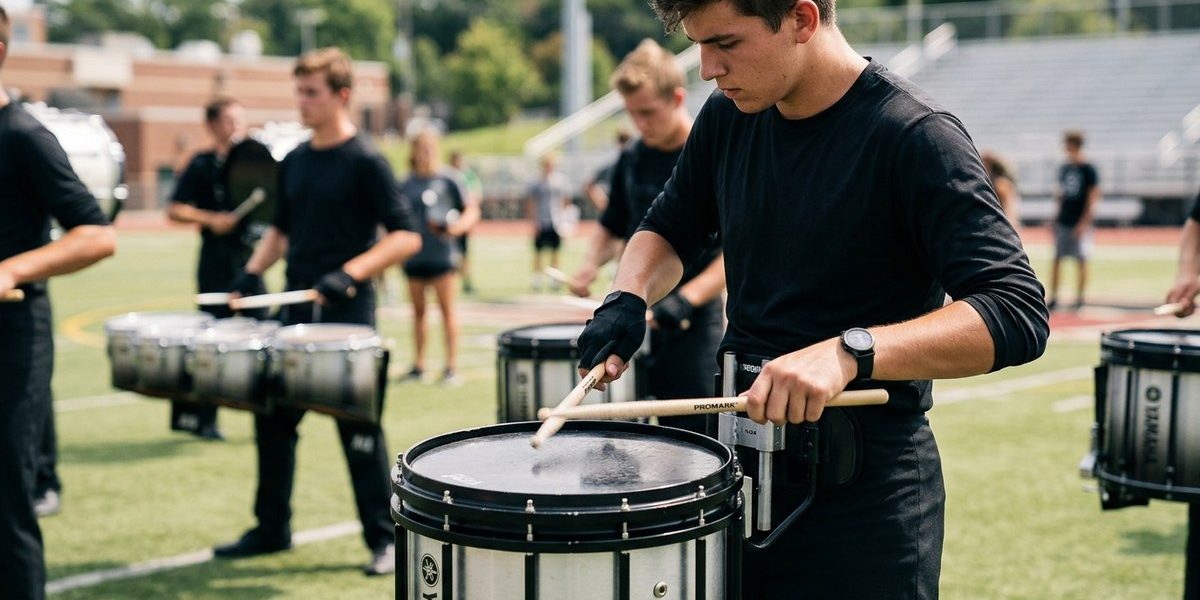
Getting comfortable with drum rudiments is a game changer for any percussionist aiming to excel. Rudiments form the building blocks for your technique, speed, and musicality. Whether you are preparing for an audition or just want to feel more confident on the kit, mastering these fundamental patterns will elevate your performance. In this guide, we break down why rudiments matter and how you can incorporate them into your daily practice.
Mastery of core drum rudiments is essential for percussionists aiming to improve technique, speed, and musical expression. Regular, focused practice ensures steady progress and prepares you for auditions and performances with confidence.
Why drum rudiments are the foundation for percussionists
Think of rudiments as the alphabet of drumming. They are the basic patterns that help you develop control, consistency, and versatility. When you learn rudiments, you’re building muscle memory that translates into faster, cleaner execution. This foundation is especially critical in a competitive environment like drum corps where precision and speed are everything.
Practicing rudiments enhances your ability to play complex phrases smoothly. It also improves your dynamic control and sticking technique. Whether you are playing snare, quads, or marimba, rudiments serve as the core language you speak on your instrument.
The eight essential rudiments every battery percussionist must know
Focusing on the right rudiments is key for auditions. These patterns will give you the most bang for your buck. Here are the eight rudiments you should prioritize:
- Single stroke roll
- Paradiddle
- Double stroke roll
- Flam
- Drag
- Five stroke roll
- Swiss army triplet
- Flam tap
Mastering these rudiments will give you a solid technical base. They are also the most common patterns used in show music, solos, and marching routines.
How to incorporate rudiments into your practice routine
Simply knowing rudiments isn’t enough. You need a structured approach to make consistent progress. Here’s a practical process:
1. Start slow and focus on accuracy
Begin by playing each rudiment at a comfortable tempo. Use a metronome to keep steady timing. Focus on clean strokes and proper sticking. Accuracy now pays off in the long run.
2. Gradually increase speed
Once you can play the rudiments accurately at slow tempos, increase the metronome setting by small increments. This helps build speed without sacrificing control.
3. Practice in different dynamics
Play the rudiments softly and loudly. Dynamic control is crucial for expressive playing and for matching the style of your ensemble.
4. Apply rudiments to musical phrases
Incorporate rudiments into fills, accents, or sticking patterns within your musical exercises. This bridges the gap between technical drills and real performance.
5. Record and analyze your progress
Use a recording device or app to listen back. Notice areas for improvement like uneven strokes or timing issues. Regular review keeps you aware of your growth.
6. Practice daily
Consistency is the secret. Even 10 minutes a day focused on rudiments will yield noticeable progress.
7. Use visual aids and resources
Leverage printable guides or online tutorials for correct sticking and technique. Resources like drumcorps.cc offer excellent visual references.
8. Challenge yourself with variations
Once comfortable, try different sticking combinations, accents, or sticking patterns. This increases your adaptability and prepares you for any musical situation.
Common mistakes to avoid when practicing rudiments
| Mistake | Explanation | How to fix it |
|---|---|---|
| Playing too fast too soon | Leads to sloppy strokes and bad habits | Stick to slow tempos until accuracy is consistent |
| Ignoring dynamics | Reduces expressive control | Practice at different volumes to build control |
| Not using a metronome | Rears its head as timing issues | Always practice with a metronome |
| Sticking inconsistently | Causes uneven sound | Be deliberate with sticking and focus on evenness |
| Neglecting hand technique | Can cause fatigue or injury | Use proper grip and wrist motion |
“The secret to mastering rudiments is consistent, mindful practice. Focus on accuracy first, then gradually increase speed while maintaining control.” — Percussion expert Alice Johnson
Practical tips for mastering drum rudiments before auditions
- Break down each rudiment into smaller sections. Practice those sections slowly until perfect.
- Use a mirror or record yourself to check your technique.
- Incorporate rudiments into your daily warm-up routine. This saves time and keeps your skills sharp.
- Join a percussion ensemble or get feedback from a teacher. External input accelerates learning.
- Stay patient and persistent. Rudiments are skills that develop over time with regular effort.
The role of rudiments in marching arts and drum corps
In the world of drum corps, rudiments are not just technical exercises but a vital part of the visual and musical storytelling. Percussionists often use rudiments in solos, transitions, and fills that wow judges and audiences alike. High-level mastery allows for expressive playing that complements the overall show design.
Developing speed and control through rudiments also means you can execute complex marching patterns with precision. This contributes directly to your ensemble’s visual impact and musical clarity.
Resources to boost your rudiment practice
- Printable rudiment charts and exercises are available at drumcorps.cc.
- YouTube channels like Drumeo or Landr offer tutorials for rudiments and practice routines.
- Apps that feature metronomes and sticking guides can help you stay disciplined.
- Local percussion instructors or online courses provide valuable feedback and personalized tips.
Keep pushing your rudiments to elevate your performance
Mastering these foundational patterns transforms your playing from basic to professional. Remember, consistent practice with clear goals leads to steady improvement. Integrate rudiments into your daily routine and challenge yourself with new variations. Over time, you’ll notice your speed, control, and musicality all improve. When audition day arrives, you’ll be ready to perform with confidence.
A final word on building your rudiment skills
Think of rudiments as your personal toolkit for musical expression. Each session, focus on precision and control rather than speed alone. Celebrate small wins, like smooth transitions or increased speed. With patience and dedication, your technical skills will grow stronger, making you a more versatile and confident percussionist. Keep practicing, stay motivated, and enjoy the journey toward percussion mastery.