You’ve been crushing one-timers all season, but your stickhandling feels clunky in tight spaces. Or maybe you can dangle through three defenders but your slapshot barely makes it past the blue line. The problem might not be your technique at all. It could be your stick height.
Hockey stick length for power and control depends on your skating stance, shooting style, and playing position. The traditional chin-to-nose range works for most players, but forwards often prefer shorter sticks for puck handling while defensemen benefit from longer sticks for reach and shot power. Testing different lengths during practice reveals your optimal balance between velocity and precision.
Why Stick Length Affects Both Power and Control
Your stick acts as a lever. Physics tells us that longer levers generate more force, which translates to harder shots. But that same length makes rapid stickhandling movements harder to execute cleanly.
A longer stick increases your reach. You can poke check from farther away, win more board battles, and load more flex into your shot. The extra length gives you leverage to really bend that shaft and release a bomb from the point.
But here’s the trade-off. That extra inch or two makes the puck feel farther from your body. Tight turns become awkward. Toe drags require more wrist strength. You lose that intimate connection with the puck that makes elite stickhandling possible.
Shorter sticks bring the puck closer. Your hands move through a tighter arc. You can execute dekes faster because you’re controlling less stick. The puck feels like an extension of your blade, not something you’re manipulating from a distance.
The cost? You sacrifice shot velocity. A shorter lever means less flex, less whip, and ultimately less power transfer to the puck.
The Traditional Measurement Method Still Works
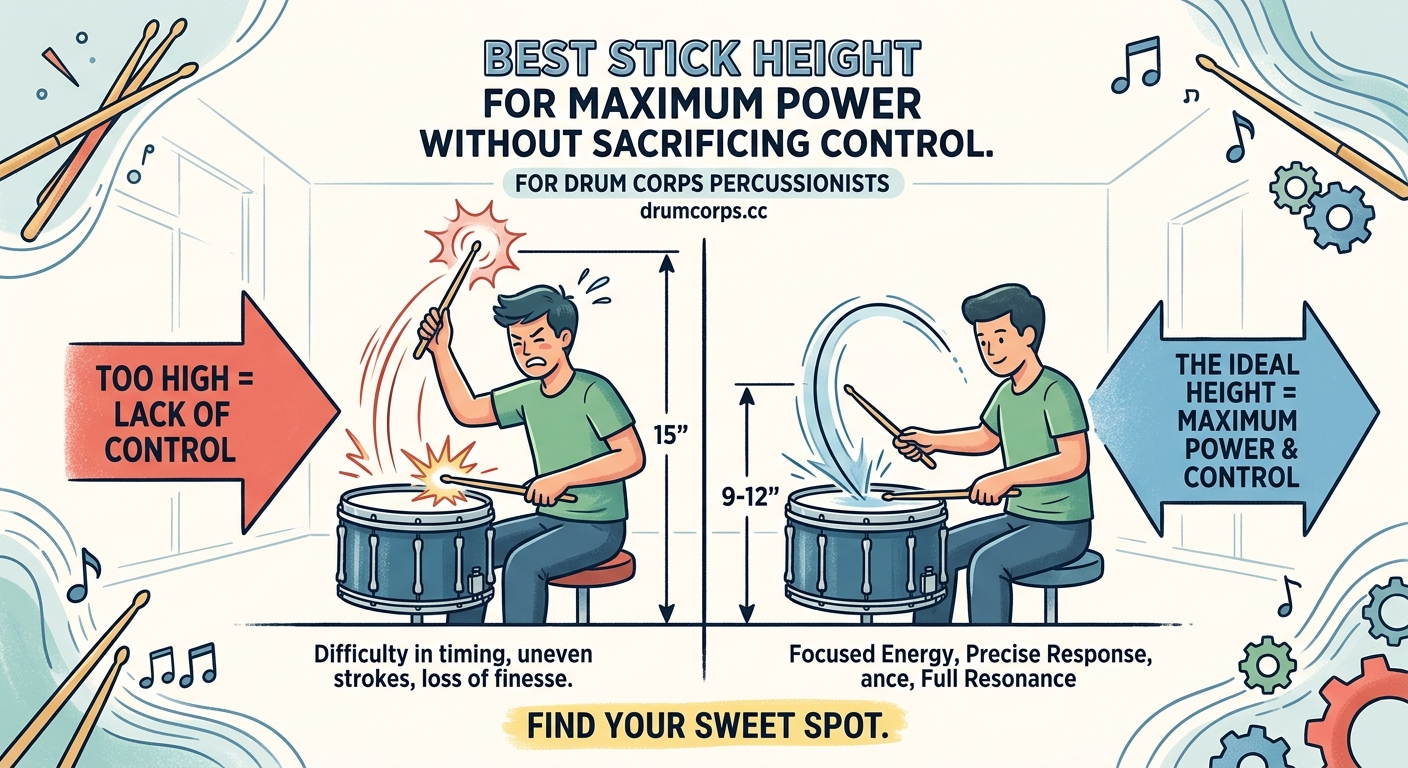
Stand in your skates on a flat surface. Hold your stick vertically in front of you with the blade flat on the ground. The top of the shaft should fall somewhere between your chin and nose.
Here’s how to refine that range:
- Put on your skates and full gear if possible. Your skating stance matters more than your standing height.
- Hold the stick naturally, as if you’re about to receive a pass. Don’t force your posture.
- Check where the top of the shaft lands. Chin level favors control. Nose level favors power.
Most intermediate players fall into the chin-to-nose sweet spot. But your playing style should influence where you land in that range.
Forwards who play a finesse game often cut their sticks to chin level or even slightly below. Think Patrick Kane. His stick looks almost comically short, but it gives him unmatched hands in tight.
Power forwards and defensemen typically go longer. They prioritize shot velocity and reach over quick hands. A stick that reaches your nose or even slightly above gives you that extra leverage for big shots from the point.
Testing Your Current Setup Against Your Playing Style
Grab a roll of tape and hit the ice for an honest assessment. You’re looking for specific feedback in three key situations.
Take 20 wrist shots from the slot. Focus on release speed, not just velocity. Can you get your shot off cleanly in under a second? Or does the stick feel unwieldy as you try to snap it through?
Now work through a stickhandling drill. Set up four cones in a tight pattern and weave through them at game speed. Does the puck stay glued to your blade? Or do you feel like you’re reaching for it?
Finally, practice receiving passes in your skates. This reveals a lot about stick length. If you’re constantly reaching down or feeling cramped, your length is off.
“The best stick length is the one that disappears during play. You shouldn’t think about your stick at all. It should feel like a natural extension of your arms.” — Anonymous NHL skills coach
Common Mistakes That Sabotage Your Stick Length Choice
Many players choose stick length based on what their favorite pro uses. That’s a mistake. Connor McDavid is 6’1″ with a specific skating stance and playing style. Unless you match all those variables, his stick length won’t work for you.
Another error is measuring in shoes instead of skates. Skates add roughly an inch to your height and change your stance completely. Always measure in full gear.
Some players go too short chasing stickhandling ability. They end up hunched over, which kills their skating efficiency and back checks their shot power even more than the shorter stick does.
Going too long creates the opposite problem. Players stand too upright trying to control an oversized stick. Their skating suffers and they lose the low center of gravity that makes quick cuts possible.
| Stick Length | Best For | Sacrifices | Warning Signs |
|---|---|---|---|
| Below chin | Tight stickhandling, quick releases | Shot power, reach | Hunching over, back pain |
| Chin level | Balanced play, versatility | Slight power reduction | None if properly fitted |
| Nose level | Shot power, defensive reach | Stickhandling speed | Puck feels distant |
| Above nose | Maximum power, long reach | Control, quick hands | Awkward receiving passes |
How to Test Different Lengths Without Buying Multiple Sticks
Most pro shops will let you demo sticks during stick-and-puck sessions. Take advantage of this. Bring tape and spend 30 minutes with each length.
You can also extend your current stick temporarily using a wooden plug or composite extension. Add an inch, tape it securely, and play a few games. The feel won’t be perfect, but you’ll get useful data.
For testing shorter lengths, mark your stick with tape at different heights. Choke up to each mark during practice and note how it affects your play. Just like building a structured practice routine, systematic testing reveals what actually works versus what you think should work.
The key is gathering real game data. How you feel standing in the pro shop means nothing compared to how the stick performs during a competitive shift.
Position-Specific Length Recommendations
Centers need versatility above all else. They take faceoffs, play both ends, and handle the puck in all three zones. A stick at chin level or slightly above usually works best. You get enough power for shots from the slot while maintaining the control needed for tight passing plays.
Wingers can specialize more. Power wingers who crash the net benefit from longer sticks for tipping and reach. Skill wingers who play the perimeter often go shorter for better hands on zone entries.
Defensemen almost always benefit from longer sticks. You need that reach for poke checks and shot blocking. The extra leverage helps you blast pucks out of the zone and hammer point shots through traffic. Most defensemen use sticks that reach their nose or even chin level when standing without skates.
Goaltenders follow completely different rules. But if you’re reading this, you’re probably not a goalie.
The Flex Factor Complicates Everything
Cutting your stick doesn’t just change length. It also increases flex rating. Remove two inches from an 85-flex stick and you’ve effectively created a 90-flex stick.
This matters because flex directly impacts both power and control. Too stiff and you can’t load the stick properly. Your shots lose velocity because you’re not generating that whip effect through the release.
Too soft and the stick feels mushy. You lose accuracy because the blade wobbles during your shot. Stickhandling becomes imprecise because the shaft bends when you don’t want it to.
Here’s a practical guideline: your flex rating should roughly equal half your body weight. A 180-pound player typically uses an 85-90 flex. But playing style matters. Skill players often go 5-10 flex points lower. Power players go 5-10 points higher.
When you cut a stick, recalculate your effective flex. If the new rating pushes you outside your comfort zone, you might need to buy a different flex to achieve your target length.
Making Your Final Cut
You’ve tested different lengths. You understand the trade-offs. Now it’s time to commit.
Start conservative. You can always cut more, but you can’t add length back. Mark your stick a half-inch above where you think you want it. Play three games. If you still want it shorter, cut another quarter-inch.
Use a fine-tooth saw and cut straight across. Tape the cut end before inserting your plug to prevent splintering. Make sure your plug fits snugly. A loose plug will rattle and kill your feel for the puck.
After cutting, retape your entire stick. The balance has changed slightly, and fresh tape helps you adjust to the new feel.
Some players mark their ideal length with a thin line of permanent marker on the shaft. This helps if you’re trying multiple sticks or lending your backup to a teammate.
When to Reconsider Your Stick Length
Your body changes. Growth spurts, weight gain, and changes in skating stride all affect your optimal stick length. Reassess at least once per season.
Many players find their preference shifts as their skills develop. A player who prioritized stickhandling as a junior might want more power as they move up to senior leagues where shooting lanes close faster.
Changing positions demands reevaluation. Moving from wing to center or forward to defense means your stick requirements have shifted.
Injury can also force adjustments. A back injury might require a longer stick to reduce bending. A shoulder injury might need a shorter stick to reduce the lever arm stress on that joint.
Similar to how fixing common posture mistakes requires periodic assessment, your stick length needs regular review as your game evolves.
Advanced Players Use Multiple Stick Lengths
Many high-level players keep two different stick lengths in their bag. One for offensive zone play, another for defensive situations.
The shorter stick comes out for power plays and offensive zone starts. Maximum control for cycling and quick shots in tight.
The longer stick handles penalty kills and defensive zone faceoffs. Extra reach for shot blocking and clearing attempts.
This approach isn’t practical for most recreational players. Sticks are expensive, and switching mid-game disrupts your feel. But it illustrates an important point: there’s no single perfect length. The right choice depends on the situation.
Finding Your Balance Point
Hockey stick length for power and control isn’t about following a chart or copying your favorite player. It’s about understanding the physics of leverage, testing different options systematically, and making an informed choice based on your body, your position, and your playing style.
The chin-to-nose guideline gives you a starting range. Your position narrows that range. Your playing style and physical attributes determine exactly where you land. And regular testing ensures you’re always using the optimal setup as your game develops.
Grab some tape, hit the ice, and start gathering data. Your perfect stick length is out there. You just need to find it through honest assessment and systematic testing. The difference between good and great often comes down to these small equipment optimizations that most players never bother to get right.