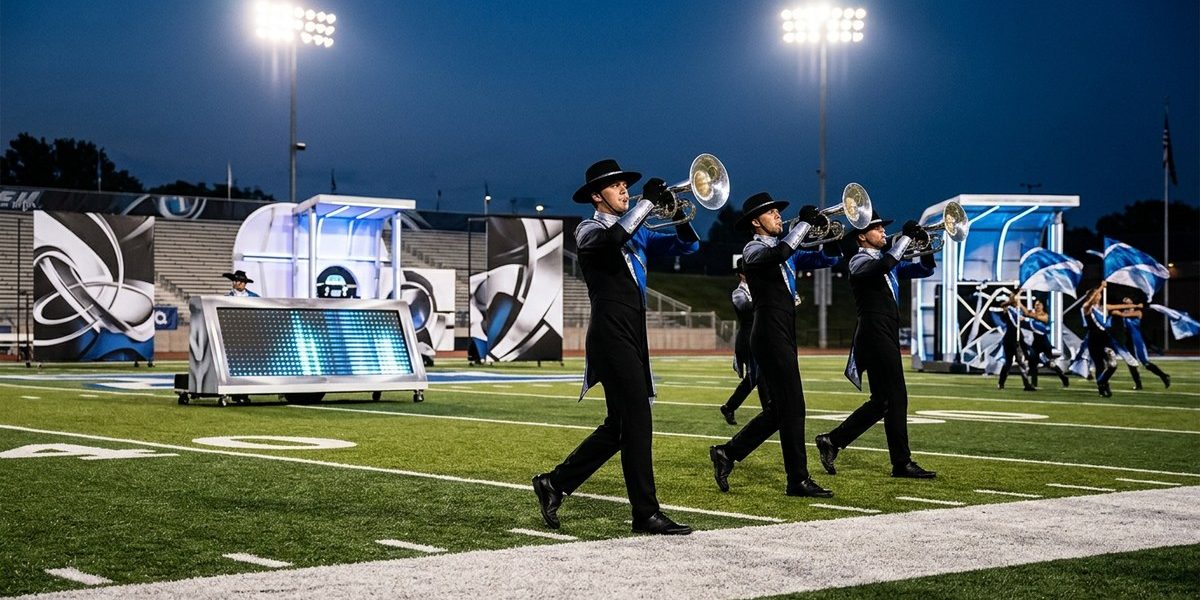
The upcoming 2026 season promises significant shifts in how drum corps design and execute their shows. As rule changes roll out, performers, staff, and fans alike are asking what these adjustments mean for the activity. Will these changes foster more creativity or challenge traditional approaches? Understanding the impact of these rule modifications allows everyone involved to adapt strategies effectively, ensuring competitive success and artistic growth.
The 2026 drum corps rule changes impact performance strategies by encouraging more innovative visual and musical elements, requiring corps to rethink their show design, staging, and execution to remain competitive. Adaptation now is essential for success, as these changes aim to elevate the activity’s artistic standards while challenging traditional methods.
How the 2026 rule changes are shaping performance strategies
The 2026 rule adjustments are designed to push drum corps toward greater creativity and technical excellence. These modifications influence every aspect of performance, from visual staging to musical execution. Corps are now exploring new ways to craft compelling narratives, integrate innovative visual effects, and push the boundaries of traditional marching techniques.
Key areas affected by the rule changes
- Visual design and staging: New parameters on movement complexity and spacing are prompting corps to develop more dynamic and synchronized visual moments.
- Music arrangement and execution: Rules surrounding instrumentation and sound layering encourage more expressive musical storytelling.
- Performance safety and stamina: Updated guidelines on movement intensity and duration impact how corps plan their show pacing and physical conditioning.
- Judging criteria: Changes to how visual and musical elements are scored require performers to focus on clarity, precision, and originality.
Practical ways corps are adapting
- Reimagining visual storytelling: With more emphasis on creative staging, corps are experimenting with multimedia elements and intricate choreography. This allows for more engaging narratives that resonate with audiences and judges alike.
- Innovating musical arrangements: Composers and arrangers are exploring new textures and harmonic approaches to stand out within the revised rules, emphasizing emotional impact.
- Refining marching techniques: The new regulations on movement are prompting a shift toward cleaner, sharper drill formations that highlight precision and synchronization.
- Enhancing performer stamina: Recognizing the increased physical demands, corps are integrating targeted endurance training and injury prevention techniques into their routines.
Techniques to maximize performance under new rules
| Technique | Purpose | Common Mistakes | Tips for Success |
|---|---|---|---|
| Layered visual storytelling | Create depth and engagement in visual design | Overcrowding scenes; lack of clarity | Keep visual elements clear and focused; use contrasting formations |
| Dynamic musical layering | Add emotional richness without overcomplicating | Cluttering sound; losing balance | Use sparing, well-placed musical textures |
| Sharp drill execution | Ensure synchronized movement for judging criteria | Rushing transitions; uneven spacing | Practice with slow, deliberate drills; focus on precision |
| Endurance and recovery | Maintain high energy levels throughout the show | Overtraining; neglecting rest | Incorporate active recovery and targeted stamina exercises |
“Corps that embrace these rule changes by innovating their visual and musical designs will stand out. The key is balancing creativity with technical mastery.” — Marching arts expert
Adjusting visual and musical techniques for 2026
The rule modifications are redefining what it means to deliver a compelling performance. Corps are now encouraged to push the limits of innovation while maintaining clarity and precision.
Visual technique adjustments
- Use of space: Corps are experimenting with more complex spacing patterns to create visual interest.
- Movement variety: Incorporating both high-energy and subtle visual moments enhances storytelling.
- Synchronization: With stricter scoring on visual accuracy, synchronized movements are more critical than ever.
Musical technique adjustments
- Expressive dynamics: Emphasizing contrast in volume and articulation adds emotional depth.
- Harmonic complexity: Arrangers are exploring richer harmonic textures within the activity’s constraints.
- Sound layering: Combining different instrumental and electronic elements to create a fuller sound.
Common pitfalls to avoid
| Mistake | How to fix it |
|---|---|
| Overloading visuals or music | Focus on clarity and purpose of each element |
| Ignoring physical limits of performers | Incorporate proper training and recovery routines |
| Neglecting the revised judging criteria | Study scoring rubrics and tailor performances accordingly |
Expert insights on adapting to rule changes
“The 2026 rule impact is an opportunity for corps to innovate and elevate their shows. Instead of viewing restrictions as barriers, see them as catalysts for creativity.” — Dr. Emily Carter, marching arts consultant
Practical steps for staff and performers
- Review the official rule changes thoroughly: Familiarize yourself with the specifics to avoid unintentional penalties.
- Collaborate on show design: Brainstorm new visual and musical ideas that align with the updated criteria.
- Implement targeted training: Focus on stamina, precision, and clarity through focused drills.
- Record and critique rehearsals: Use video feedback to refine visual and musical execution.
- Stay flexible and open-minded: Be ready to adapt your approach as new techniques and ideas emerge during the season.
How to implement these strategies
- Step 1: Break down the new rules and create a checklist for your team.
- Step 2: Schedule brainstorming sessions to generate innovative concepts.
- Step 3: Incorporate new drills that emphasize the desired visual and musical qualities.
- Step 4: Use performance recordings to identify areas for improvement.
- Step 5: Adjust your show based on feedback and evolving interpretations of the rules.
Visual and musical mistakes to watch out for
| Technique | Common Mistake | Correct Approach |
|---|---|---|
| Visual storytelling | Confusing or cluttered visuals | Simplify and focus on strong visual motifs |
| Marching precision | Rushed transitions | Practice slow, deliberate movements; build speed gradually |
| Musical phrasing | Lack of emotional nuance | Focus on dynamics and articulation for storytelling |
| Layering textures | Overly busy soundscape | Use contrast and space to highlight key moments |
Embracing change for a stronger 2026 season
The impact of the 2026 drum corps rule changes invites everyone to rethink how shows are crafted and performed. This year offers a chance to push artistic boundaries while sharpening technical skills. The goal is to create performances that captivate judges and audiences alike.
Final thoughts
Adapting to new rules takes effort and flexibility. It encourages corps to explore new creative horizons and refine their craft. By focusing on clarity, innovation, and precision, performers can turn these changes into opportunities for excellence. Keep an open mind, practice intentionally, and stay committed to continuous improvement. The season ahead can be one of the most exciting in recent memory when approached with a positive and proactive mindset.