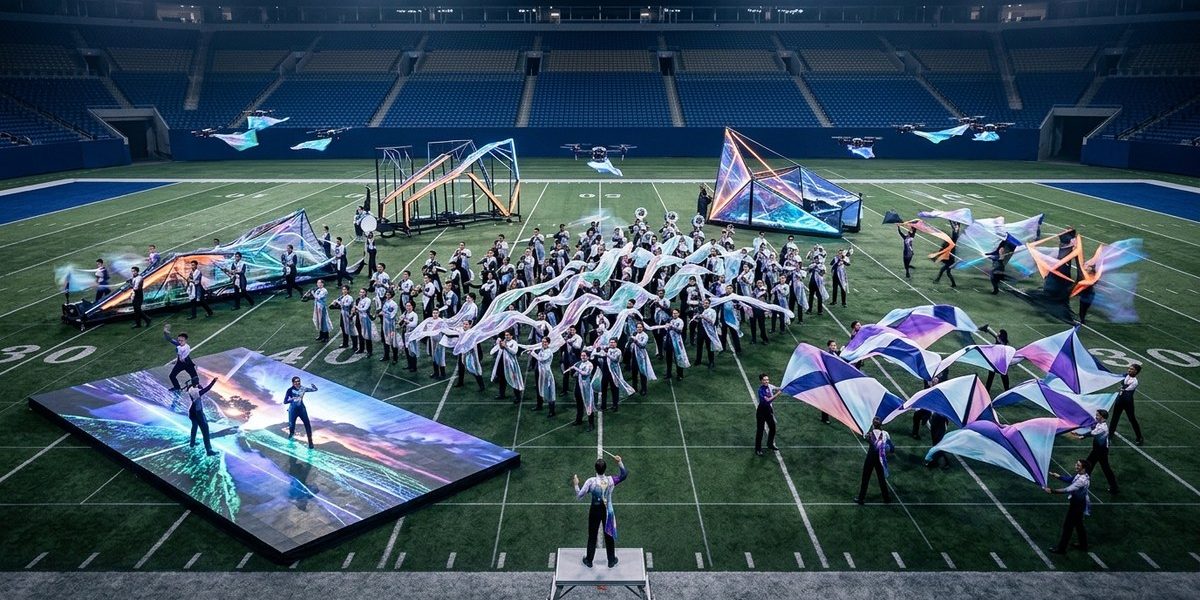
Modern drum corps shows in 2026 are redefining what visual design means in the marching arts. Gone are the days of static formations and predictable choreography. Today, innovative visual storytelling, cutting-edge technology, and bold design choices are making each performance a dynamic, immersive experience. This evolution is exciting for enthusiasts, designers, and students eager to understand the latest in visual performance trends. Whether you’re planning a new show or simply want to stay ahead of the curve, understanding how visual design is pushing boundaries can elevate your appreciation and craft.
In 2026, modern drum corps visual design is characterized by innovative use of technology, creative storytelling, and bold staging that challenge traditional boundaries, making performances more engaging and visually stunning.
The Evolution of Visual Design in Modern Drum Corps
In recent years, visual design has become a key differentiator among top drum corps. The focus has shifted from simple marching patterns to complex, layered storytelling that captivates judges and audiences alike. The 2026 season continues this trend with an emphasis on integrating technology, theatrical elements, and innovative movement.
For example, many corps now use projection mapping or LED screens to create immersive backgrounds that complement their themes. These tools allow for seamless transitions between scenes and add depth to visual narratives. It’s not just about movement anymore but about creating a complete sensory experience.
Cutting-Edge Techniques Defining 2026 Visuals
Several techniques have emerged as defining features of the 2026 visual landscape. Here are some of the most impactful:
- Dynamic use of projection and light: Corps leverage high-resolution projections to transform static backgrounds into interactive scenes.
- Layered formations: Moving beyond simple block formations, corps create multi-dimensional visuals by layering formations, elevating visual interest.
- Theatrical storytelling: Incorporating elements like fog, props, and choreography that tell a story rather than just perform a routine.
- Technology integration: Use of wearables, synchronized lighting, and augmented reality elements for a synchronized visual experience.
- Fluid movement and transitions: The focus has shifted from rigid marching to more organic, flowing movements that mimic natural forms or thematic elements.
Techniques vs Mistakes in Visual Design
| Technique | Mistake |
|---|---|
| Seamless integration of multimedia | Overloading visuals, causing distraction |
| Use of space and levels creatively | Cluttered formations, lack of clarity |
| Synchronization with music and drill | Misaligned visuals and choreography |
| Incorporating storytelling elements | Visuals that do not support the theme |
| Precise timing and spacing | Lapses in coordination or timing |
Practical Processes for Creating Stunning Visuals
Here are some steps to help you incorporate modern visual techniques into your design:
- Define your theme or story: Every effective visual starts with a clear concept.
- Plan your staging and formations: Use layered formations and levels to add depth.
- Integrate technology thoughtfully: Use projection mapping or lighting to enhance storytelling without overwhelming.
- Choreograph movement to support the theme: Flowing, organic movements often evoke emotions better than rigid marching.
-
Test and refine timing: Synchronization is key to seamless visuals.
-
Keep visuals simple enough to be clear from the stands.
- Avoid overloading with effects, which can detract from the overall message.
- Use props and staging elements to support the story rather than overshadow it.
Expert Advice
“The most successful visual designs in 2026 are those that serve the story. Technology is a tool, but clarity, timing, and thematic coherence are what captivate audiences.” — Visual design consultant for recent championship-winning corps.
Common Challenges and How to Overcome Them
Creating innovative visuals isn’t without obstacles. Some common issues include:
- Overcomplicating formations, leading to confusion.
- Poor synchronization between visuals and music or drill.
- Technical failures during performances.
- Resistance to adopting new technology or ideas.
To address these, prioritize clear communication within your design team. Practice extensively with technology to ensure reliability. Focus on storytelling, and use effects to support, not distract from, the narrative.
Visual Techniques That Are Making a Difference in 2026
Here’s a quick look at some techniques that stand out this season:
- Projection mapping to create animated backgrounds that change with the music.
- Use of LED screens integrated into props or uniforms.
- Level changes and staging to add dimension.
- Flowing choreographic patterns inspired by natural movements.
- Dynamic lighting that reacts to music or movement cues.
Common Mistakes to Watch Out For
- Overusing effects, leading to sensory overload.
- Neglecting the importance of timing in visual transitions.
- Failing to tailor visuals to the theme or music.
- Relying too heavily on technology without rehearsing thoroughly.
How To Push Your Visual Design Beyond the Norm
- Focus on storytelling as the core of your visual concept.
- Incorporate multiple layers of visuals, movement, and staging.
- Use technology as a complement, not a crutch.
- Experiment with levels, props, and staging to add depth.
- Regularly review and refine to ensure clarity and impact.
A New Era for Visual Design in 2026
The creative possibilities in modern drum corps are expanding rapidly. Technologies like augmented reality and advanced projection are no longer futuristic—they’re part of daily design practices. The goal remains to craft performances that are visually compelling and narratively rich.
As you develop your next show, think about how you can use bold staging, innovative tech, and storytelling to push boundaries. Remember, the most memorable performances are those that resonate emotionally and visually.
Visual Design as a Tool for Artistic Expression
In 2026, visual design is increasingly viewed as a storytelling device. It allows corps to communicate themes, evoke emotions, and create memorable moments that stay with audiences long after the show ends. The key is to balance technical mastery with artistic intent.
Final Tips for Elevating Your Visuals
- Study successful shows and identify what makes their visuals stand out.
- Collaborate closely with your creative team to maintain thematic coherence.
- Use rehearsal time efficiently to perfect timing and synchronization.
- Don’t shy away from bold ideas—sometimes risks lead to the most striking visuals.
- Keep learning and experimenting with new techniques and technologies.
Visual design in 2026 unlocks new creative horizons
The future of drum corps visual design is bright, innovative, and full of potential. By embracing new ideas, tools, and storytelling methods, you can craft performances that captivate and inspire. Remember, pushing boundaries is about balancing creativity with clarity, technology with artistry. Take these insights and make your next show a true visual masterpiece.