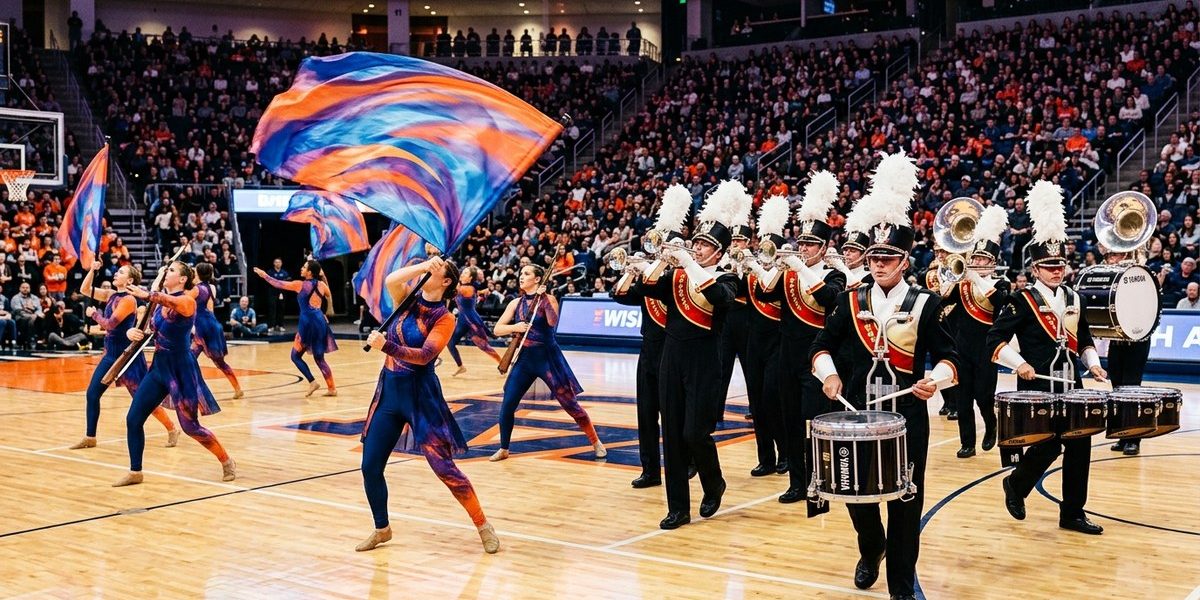
Drum corps have long been synonymous with outdoor performances on stadium fields, where the elements add both challenge and charm. But a seismic shift happened when the activity made a bold move indoors. That moment, often called the day drum corps went indoors, reshaped the entire landscape of marching arts. It wasn’t just about changing the venue; it was a revolution that expanded artistic boundaries, altered training methods, and opened new doors for innovation.
The day drum corps went indoors marked a turning point that transformed marching arts, enabling more creative, complex, and visually stunning performances while broadening training and design approaches.
The origins of indoor drum corps and winter guard
Indoor activities in the marching arts didn’t appear overnight. They grew from a desire to push creative limits beyond outdoor restrictions. Traditionally, drum corps and winter guard performances thrived outdoors, where weather and space dictated many aspects of the show. Yet, as performers and designers sought more control over lighting, sound, and visual effects, the idea of moving performances inside gained momentum.
In the 1970s and 1980s, groups began experimenting with indoor settings during off-season shows or special exhibitions. This experimentation gradually laid the groundwork for a broader shift. The formation of organizations like Winter Guard International (WGI) in 1977 was a significant milestone. WGI promoted indoor color guard, percussion, and wind competitions, emphasizing artistic expression and technical excellence in controlled environments.
How indoor drum corps changed the game
The transition indoors didn’t happen all at once. It evolved through a series of practical steps that allowed the activity to flourish in new spaces:
-
Adapting Design and Choreography: Indoor venues provided a blank canvas. Designers could incorporate intricate visual storytelling, complex formations, and special effects like lighting and projections that were impossible outdoors.
-
Enhancing Technical Precision: Indoor settings eliminated weather variables. This meant performers could focus entirely on precision, timing, and clarity without wind or sun interference.
-
Innovating Rehearsal Methods: Rehearsals moved closer to theatrical production. Teams began using staging techniques borrowed from dance and theater, emphasizing facial expressions, body language, and synchronized movement.
Techniques that made indoor performances stand out
| Technique | Benefit | Common Mistake |
|---|---|---|
| Controlled lighting | Creates mood and focus | Overusing bright lights that blind performers |
| Use of projections | Adds visual storytelling | Cluttered visuals that distract from the performance |
| Tight formations | Maximizes visual impact | Poor spacing leading to confusion |
| Integrated props | Enhances narrative | Props that obstruct movement or cause safety issues |
“Indoor performances demand meticulous planning. When done right, they elevate the activity from a marching event to a full-scale theatrical experience,” advises veteran show designer Lisa Martinez.
The impact on training and performance techniques
Indoor settings transformed how groups train and prepare. Without weather constraints, teams could:
- Rehearse complex visuals repeatedly until perfect
- Incorporate advanced staging and choreography
- Use multimedia elements like video playback for self-evaluation
- Focus on precise execution instead of just endurance
This shift also encouraged the development of new skills. Performers learned to adapt their movement, facial expressions, and timing to the controlled environment. Visual techniques like sharp angles, layered formations, and theatrical gestures became standard.
The influence on competition and judging
Indoor activity introduced a new dimension to judging criteria. Visual and artistic scores gained prominence alongside musical and marching execution. Judging panels now looked for storytelling, creativity, and technical mastery in a setting where every detail could be scrutinized.
Groups began pushing boundaries, blending marching arts with theater, dance, and multimedia. The indoor arena became a testing ground for innovation, with shows often featuring elaborate costumes, lighting effects, and complex staging.
Challenges and opportunities of the indoor shift
Moving indoors was not without hurdles. Acoustics could be tricky, sometimes muffling or amplifying sounds unpredictably. Safety concerns with props and staging required new protocols. Budget considerations also increased as productions became more elaborate.
However, the benefits far outweighed the challenges. Indoor environments allowed for year-round programming, so groups could perform and refine their craft continuously. The activity grew more artistic, attracting new audiences and expanding the possibilities of visual storytelling.
The lasting legacy of the indoor revolution
The day drum corps went indoors may have started as a practical adaptation, but it led to a renaissance in marching arts. Today, indoor percussion ensembles, winter guard, and even indoor drum corps showcase some of the most innovative and visually stunning performances in the activity’s history.
Many of the techniques pioneered indoors have filtered back into outdoor shows. The emphasis on storytelling, precise staging, and multimedia integration is now standard across the activity. This cross-pollination continues to evolve, pushing the activity into new creative directions.
Practical steps to embrace indoor techniques
- Study theatrical staging: Learn how theater directors craft narratives through movement and lighting.
- Experiment with multimedia: Incorporate projections and sound design into your routines.
- Focus on visual storytelling: Develop themes and narratives that engage audiences beyond musical performance.
- Invest in safety and logistics: Ensure props and staging are safe and manageable within your space.
- Rehearse with intention: Use video playback and staging rehearsals to refine visual impact.
Embracing the modern indoor marching arts
The evolution sparked by the day drum corps went indoors continues to influence how groups perform and create. The blend of athleticism, artistry, and technology has made the activity richer and more dynamic. Whether you are a student, a performer, or a designer, understanding this history helps you appreciate the limitless potential of indoor performance.
As you plan your next show or rehearsal, consider how indoor techniques can elevate your work. Think about lighting, staging, and storytelling. Remember, the indoor revolution was about breaking boundaries. Today, you can carry that spirit forward.
Keep pushing the boundaries of your craft
Indoor performances provide a platform for artistic growth and creativity. Use what was learned from that pivotal moment to craft shows that inspire and captivate. With imagination and dedication, the possibilities are endless. The activity’s future is bright, and it starts with embracing the innovations that made indoor drum corps a game-changer.