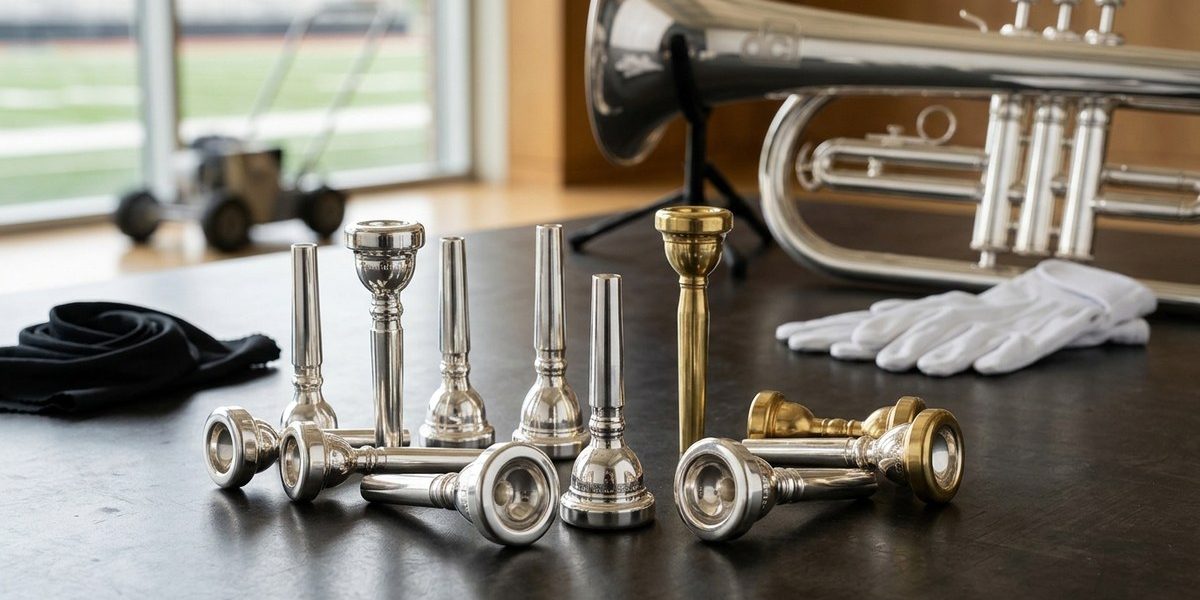
Getting the perfect sound from your marching baritone involves more than just blowing into your instrument. It’s about finding the right mouthpiece that suits your style, anatomy, and the demands of marching performance. A well-chosen mouthpiece can make a noticeable difference in tone, projection, and endurance. Whether you are a beginner or looking to refine your sound, understanding how to select and optimize your marching baritone mouthpiece is key to unlocking your full potential on the field.
Choosing the right marching baritone mouthpiece can significantly improve your sound, projection, and comfort. This guide offers practical steps to help you find and optimize your ideal fit for better performance and enjoyment during rehearsals and shows.
Understanding the importance of the right mouthpiece
A mouthpiece acts as the gateway to your instrument. It influences your tone quality, ease of play, and how comfortably you can produce sound during long rehearsals. For marching band players, especially on the baritone, the right mouthpiece helps balance power with control. It also affects your endurance and how well your sound carries in outdoor conditions. Picking an ill-fitting mouthpiece can lead to fatigue and inconsistent tone, so it’s worth investing time to find your best match.
How to choose a marching baritone mouthpiece
1. Know your goals and needs
Before trying different mouthpieces, consider what you want to improve. Do you need a fuller, richer sound? Or are you aiming for better projection and endurance? Think about your role in the band and the style of music. For instance, a mouthpiece with a larger cup diameter can produce a darker, more resonant tone, which might suit your musical goals.
2. Understand mouthpiece features
Here are some key features to consider when choosing a mouthpiece:
- Cup size and shape: A deeper cup offers a richer sound, while a shallower cup promotes easier high notes.
- Rim contour: Rounded rims are comfortable for extended playing, whereas flatter rims offer more control.
- Bore and backbore: Larger bores usually produce a fuller sound, while smaller bores focus the tone.
- Material: Brass, silver, or gold-plated mouthpieces can influence comfort and durability.
3. Experiment with different sizes and styles
Trying various mouthpieces is the best way to find what works for you. Keep an open mind and test different combinations of cup depth, rim shape, and bore size. You can do this by visiting a local music store or borrowing from fellow band members. Remember to play long tones and scales to get a real sense of how each mouthpiece feels and sounds.
4. Get professional advice
If possible, consult with your band director or a brass specialist. They can offer personalized recommendations based on your playing style and physical attributes. Some marching arts stores also offer fitting sessions, where they analyze your embouchure and suggest suitable mouthpieces.
5. Record and compare
Make recordings of your playing with different mouthpieces. Listening back helps you objectively assess tone quality, projection, and comfort. This process can reveal subtle differences and guide your decision.
Optimizing your mouthpiece setup
Once you’ve selected a mouthpiece, it’s time to optimize your setup. Here’s how:
- Embouchure adjustments: Small changes in how you shape your lips and position your mouthpiece can improve sound and endurance.
- Practice with purpose: Focus on consistent breath support and proper airflow. https://drumcorps.cc/5-essential-breathing-exercises-every-brass-player-should-master/ is a great resource.
- Maintain your equipment: Regularly clean and check your mouthpiece for damage or buildup that can affect your tone.
Common mistakes to avoid
| Technique or mistake | Impact | How to fix it |
|---|---|---|
| Using a mouthpiece that’s too large | Fatigue, thin tone | Try a smaller cup size and see if it improves comfort and sound |
| Playing with an improper embouchure | Inconsistent tone, fatigue | Get guidance from a teacher or coach to refine your embouchure |
| Ignoring personal anatomy | Uncomfortable fit, limited range | Experiment with different rim shapes and consult a specialist for personalized fit |
| Not cleaning your mouthpiece regularly | Bacterial buildup, dull sound | Clean your mouthpiece after each rehearsal with warm, soapy water |
“Finding the right mouthpiece is a personal journey. It might take some trial and error, but the payoff is a sound that truly reflects your musical voice.” — Brass expert and band director
Practical steps to find your ideal marching baritone mouthpiece
- Assess your current sound and comfort. Play your usual mouthpiece and note any issues like fatigue or thin tone.
- Set clear goals based on your role and style. Do you want more volume? Richer tone? Easier high notes?
- Try a variety of mouthpieces that match your goals. Focus on features like cup size, rim shape, and bore.
- Record your playing with each option. Listen critically and compare.
- Consult with a professional or experienced player for personalized advice.
- Make adjustments to your embouchure and breathing techniques. Use resources like
- Maintain your equipment regularly for consistent performance.
How to get the most out of your mouthpiece
Optimizing your mouthpiece setup involves more than just choosing the right piece. You should also:
- Regularly warm up with breathing exercises to support your airflow.
- Practice long tones to develop a stable, resonant sound.
- Record your playing periodically to monitor progress.
- Keep your mouthpiece clean to avoid performance issues caused by buildup.
Recognizing when it’s time to revisit your choice
Your needs might change as you develop. If you notice increased fatigue, a loss of tonal richness, or difficulty playing in certain registers, consider trying different mouthpieces. Sometimes, a minor change in cup depth or rim contour can make a big difference. Be open to experimenting and seeking advice from knowledgeable sources.
Your sound, your marching journey
Choosing the right marching baritone mouthpiece is a journey worth taking. It can elevate your performance, boost your confidence, and make rehearsals more enjoyable. Remember, it’s about finding what feels good, sounds great, and supports your playing style. Don’t hesitate to try new options and ask for guidance along the way.
Keep marching forward with confidence
Every player’s journey to a better sound starts with a simple step: understanding your needs and experimenting with different mouthpieces. Take the time to explore options, listen critically, and refine your setup. Your improved tone and comfort will show in every note you play on the field. With patience and curiosity, you’ll discover the perfect match that helps you shine during every performance.