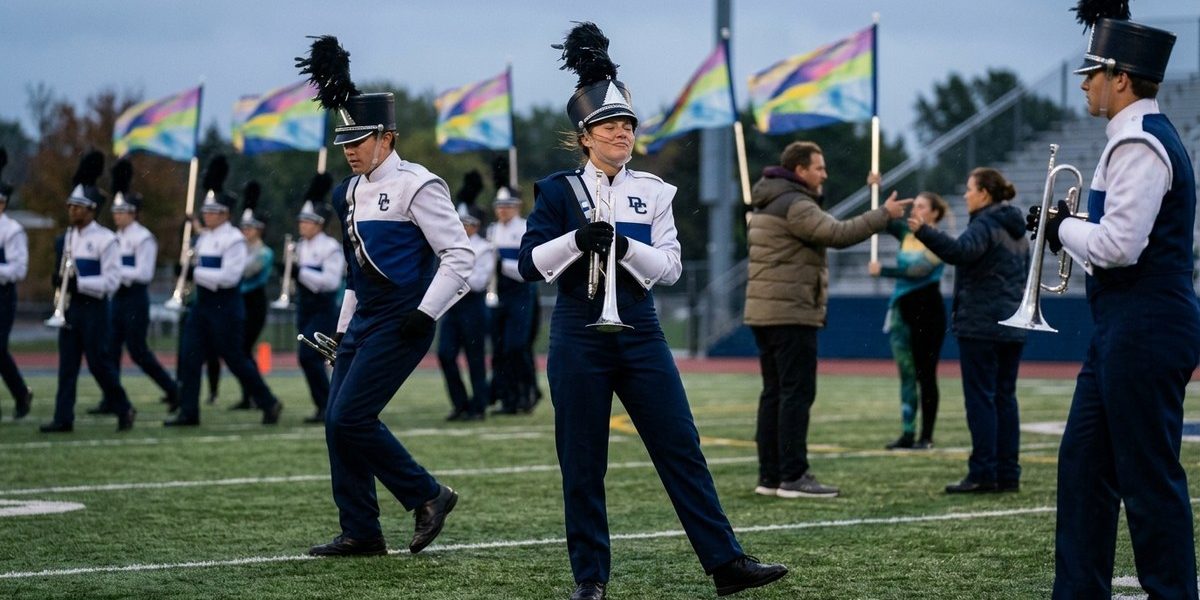
Marching band and drum corps performances are exciting moments that showcase precision, artistry, and teamwork. But weather conditions, especially wind and outdoor elements, can pose challenges that affect your form, sound, and safety. Understanding how weather impacts your activity is key to adapting your approach and ensuring a successful, injury-free performance. Whether you are a band director, member, or coach, knowing how to handle wind and weather is essential for maintaining quality and safety on the field.
Weather conditions influence marching band performance significantly. Wind can alter sound and movement, requiring strategic adjustments. Proper preparation and awareness help maintain safety and visual appeal during outdoor activities. Understanding how to adapt to weather challenges ensures both high-quality performance and participant safety. Being proactive about weather impacts is vital for a memorable and safe marching experience.
How wind and weather conditions influence your marching performance
Wind and weather are unpredictable but impactful elements in outdoor marching activities. They can affect sound quality, visual execution, and even the physical safety of band members. Recognizing these influences allows you to prepare better and respond effectively.
Wind effects on sound and movement
Wind can distort sound projection, making it harder for audiences and judges to hear your ensemble clearly. It also affects the physical movement of members and flags, potentially causing instability or misalignment. Wind can push performers off balance, especially during complex formations or high-energy routines.
Safety concerns in adverse weather
Rain, wind, and extreme temperatures carry safety risks. Wet surfaces increase the chance of slips and falls during marching or equipment handling. Strong wind can cause equipment to topple or blow away, and sudden weather shifts like thunderstorms demand immediate action to protect everyone involved.
Visual and formation challenges
Wind can sway flags and props, making visual effects less precise. It can also cause members to lose focus on their spacing, timing, and posture. This impacts the overall scoring and the visual coherence of the show.
Practical steps to manage wind and weather challenges
Adapting to weather conditions involves proactive planning and real-time responses. Here are some strategies to help your band stay on track during outdoor performances.
1. Conduct weather assessments before rehearsals and performances
- Check detailed weather forecasts, including wind speed, direction, humidity, and rain predictions, from reliable sources.
- Schedule outdoor rehearsals and performances during favorable conditions when possible.
- Develop contingency plans for sudden weather shifts, such as moving indoors or delaying performances.
2. Prepare your equipment and personnel
- Use wind-resistant flags, banners, and props. Reinforce or weight down items to prevent toppling.
- Ensure all members have appropriate gear, like raincoats, non-slip shoes, and gloves to handle equipment safely.
- Brief your team on weather protocols, including when to seek shelter or adjust formations.
3. Adjust marching and visual techniques for wind
- Use smaller, more controlled movements during windy conditions to maintain stability.
- Shorten or modify formations if wind causes instability or safety issues.
- Incorporate more grounded visual elements that are less affected by wind, such as stationary drills or visual effects that can withstand outdoor elements.
4. Focus on sound projection and balance
- Encourage musicians to adjust their embouchure and dynamics to compensate for sound loss or distortion caused by wind.
- Use amplification if available and permitted, especially in high wind areas.
- Position percussion and brass sections to optimize sound projection against the wind direction.
5. Prioritize safety above all
- Monitor weather conditions continuously during performances.
- Cease activity immediately if conditions become hazardous, such as lightning, high winds, or heavy rain.
- Keep clear communication channels for quick decisions and safety alerts.
Techniques to mitigate weather-related issues and common mistakes
Implementing proper techniques can reduce the impact of wind and weather on your performance. Avoid these common errors to keep your group safe and effective.
| Technique / Mistake | Explanation | Impact | How to Improve |
|---|---|---|---|
| Overreliance on open formations | Large, open formations catch more wind | Loss of control, safety risk | Use tighter, grounded formations in wind |
| Ignoring weather forecasts | Performing despite adverse weather | Safety hazards, performance issues | Always review forecasts and adapt accordingly |
| Using lightweight props without reinforcement | Props can blow away or break | Equipment loss, safety risk | Reinforce or weight down props |
| Not adjusting sound techniques | Musicians play as in calm weather | Reduced sound clarity | Train players to adjust embouchure and dynamics |
| Waiting too long to seek shelter | Delay in response during storms | Safety danger | Establish clear weather protocols and response plans |
“Preparation is your best defense against weather disruptions. Regularly update your safety and performance protocols to reflect current conditions.” — Marching arts safety expert
Building resilience against weather surprises
Weather can always throw a curveball. The key is adaptability and readiness. Here are some additional tips to build resilience:
- Practice in varying conditions: Rehearse outdoors in different weather to prepare your team for unexpected changes.
- Use weather-appropriate gear: Invest in equipment that can withstand outdoor elements, such as waterproof cases and wind-resistant flags.
- Develop quick-change routines: Design your show segments so that you can easily shift to simpler visuals or sound adjustments if needed.
- Educate your team: Make sure every member understands weather protocols and knows how to adjust their technique accordingly.
Final thoughts for weather-ready marching bands
Weather conditions will always be part of outdoor marching activities. The goal is not to control the weather but to manage its effects effectively. By staying informed, preparing your equipment, and practicing adaptability, you can keep your performance safe and impressive regardless of the elements. Remember, safety always comes first, and a well-prepared band can turn challenging weather into an opportunity to demonstrate resilience and professionalism. Keep these strategies in mind, and your band will be ready to face any weather on the field with confidence.