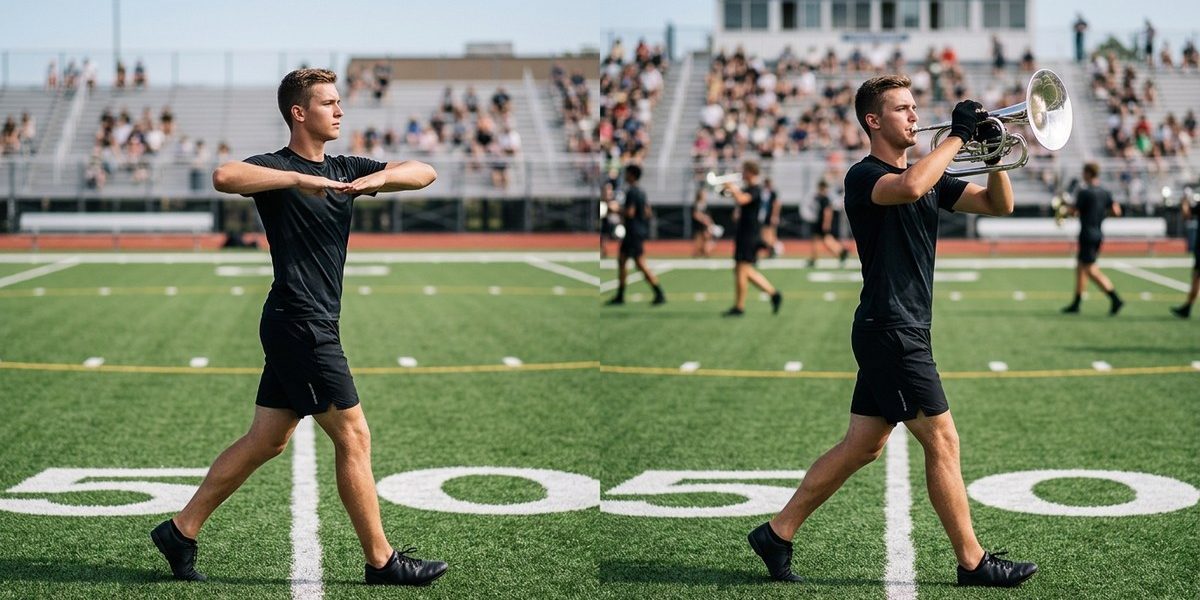
When you think about practicing music, using your instrument often comes to mind. However, there are powerful methods that involve practicing without your instrument. These techniques can sharpen your mental focus, improve muscle memory, and deepen your understanding of your music. Whether you’re a beginner or an experienced musician, integrating mental and visual practice into your routine can make a real difference. It allows you to reinforce skills even when you can’t access your instrument, making your practice time more efficient and effective.
Practicing music without your instrument enhances mental focus, reinforces muscle memory, and improves overall performance by engaging your mind in active visualization and mental rehearsal techniques.
The Benefits of Practicing Music Without Your Instrument
Practicing without your instrument offers several advantages that complement traditional playing. It helps you internalize music more deeply and develop a stronger mental connection to your instrument. This method can be especially useful during busy days when you cannot physically access your instrument. It also reduces physical fatigue, allowing you to focus on the mental aspects of your playing.
Some benefits include:
– Strengthening muscle memory through visualization
– Improving focus and mental clarity
– Reinforcing fingerings, rhythms, and transitions
– Reducing performance anxiety by mentally rehearsing
– Enhancing your ability to perform under pressure
How To Practice Music Without Your Instrument in Three Simple Steps
-
Create a mental map of your music
Visualize your piece in detail. Imagine the fingering, bowing, or key presses. Picture the sheet music in your mind and hear the sound in your head. This mental map solidifies your understanding and prepares you for physical practice. -
Use visualization techniques
Find a quiet, comfortable space. Close your eyes if needed. Mentally rehearse different sections of your piece. Focus on smooth transitions and accurate fingerings. Picture yourself performing confidently on stage or in the practice room. -
Reinforce with active imagination
Engage all your senses. Feel the keys or strings under your fingers mentally. Imagine the breath control or bow pressure. Repeat sections until they feel natural. This active visualization builds muscle memory and reduces errors during actual practice.
Practical Ways To Incorporate Visual and Mental Practice
- Silent fingering drills: Practice fingerings or bowings in your mind, especially during breaks or commutes.
- Listen actively: Play recordings of your piece and mentally follow along with the music.
- Use mental rehearsal before performances: Visualize your entire performance vividly to boost confidence.
- Combine with physical warmups: Use mental practice to prepare your muscles before actual playing.
- Record yourself: Listen and visualize how you want your performance to sound and look.
Techniques and Common Mistakes in Practicing Without Your Instrument
| Technique | Common Mistake |
|---|---|
| Visualizing fingerings and transitions | Rushing through sections without clarity |
| Listening and mentally singing the piece | Skipping parts or losing focus during practice |
| Using mental rehearsal before sleep | Forgetting details or losing vividness |
| Imagining physical sensations and breath | Neglecting the importance of muscle memory |
“Mental practice can be as effective as physical practice when done consistently. It trains your brain to perform with precision and confidence.” — Marching arts expert
Combining Mental Practice With Physical Training
While practicing without your instrument is valuable, it works best when combined with actual playing. Use mental techniques to reinforce skills learned physically. For example, after a physical session, visualize the same passages to deepen your internalization. This dual approach enhances retention and performance.
Practical tips:
- Schedule mental practice sessions during rest periods.
- Use visualization before bed to reinforce learning.
- During breaks, mentally review challenging passages.
- Use mental rehearsal to prepare for competitions or performances.
When and Why To Incorporate Practicing Without Your Instrument
Practicing without your instrument is particularly helpful when:
– You are traveling or away from your instrument.
– You want to improve focus and concentration.
– You are trying to break bad habits or catch errors mentally.
– You need to reduce physical fatigue during intense schedules.
– You want to build confidence before a big performance.
This approach also allows you to focus on musical expression, phrasing, and dynamics without the distraction of physical mechanics. It ensures your mind is engaged in the musical story you want to tell.
Final Tips for Effective Mental Practice
- Be consistent. Short, daily mental sessions are more effective than sporadic long ones.
- Make your visualization vivid. Engage all senses for better internalization.
- Use recordings to follow along mentally.
- Combine mental practice with physical drills for best results.
- Stay patient. Developing strong mental skills takes time but pays off in performance.
Visualize Your Success on the Field and Beyond
Practicing music without your instrument is a powerful tool that can elevate your playing. It deepens your understanding, sharpens focus, and reinforces muscle memory. Incorporate mental techniques into your routine regularly. Over time, you’ll find yourself more confident and prepared for any stage. Remember, your mind is your most versatile instrument. With consistent mental practice, you can unlock new levels of musical excellence.
Keep Moving Forward, Even When You Can’t Play
Next time you’re away from your instrument or need a break from physical playing, try visualizing your music. Imagine every note, finger movement, and emotional expression. This mental rehearsal keeps your skills sharp and your mind engaged. With patience and persistence, practicing music without instrument becomes a vital part of your growth as a musician. Trust your mind to support your musical journey just as much as your hands.