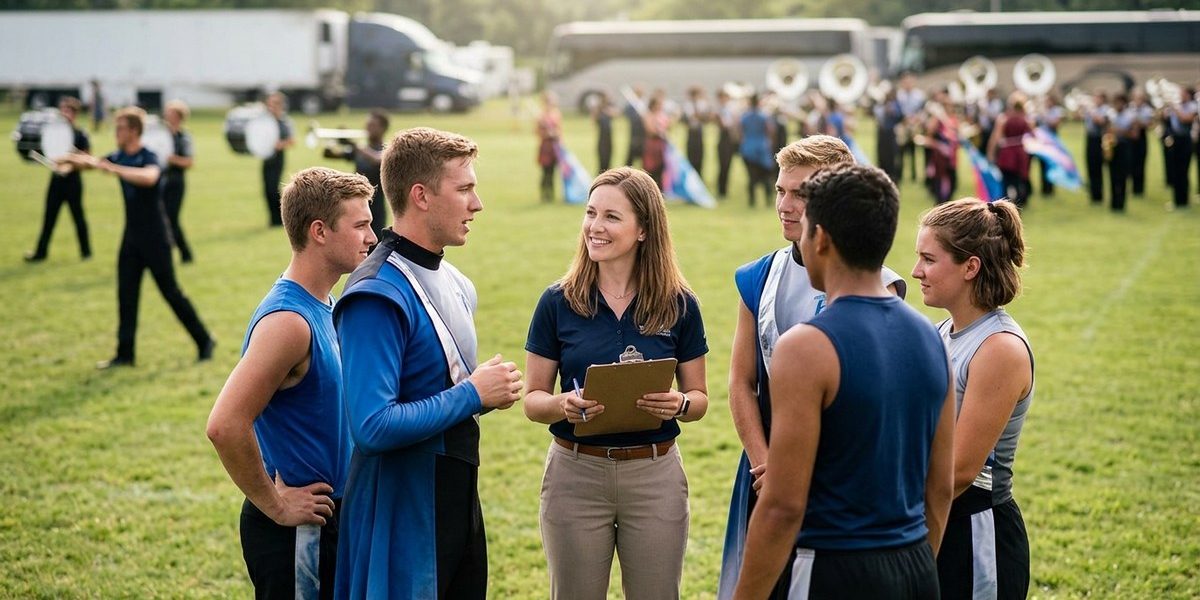
Drum corps seasons are intense. From early rehearsals to late-night bus rides, the activity demands physical stamina, musical precision, and mental resilience. Recently, a noticeable shift has taken place: more drum corps are bringing mental health professionals on tour. This move reflects a growing understanding that mental well-being is just as crucial as physical readiness. It’s a step toward creating healthier, more supportive environments where members and staff can thrive both on and off the field.
More drum corps are hiring mental health support professionals to help members navigate stress, anxiety, and emotional challenges during tours. This proactive approach fosters healthier environments, improves performance, and builds resilience for the demanding summer months.
Why mental health support in drum corps is gaining attention
The physical rigors of touring are well understood. Members march long hours, perform multiple shows, and endure packed schedules. But mental health challenges often remain hidden. Stress, homesickness, performance anxiety, and fatigue can take a toll over the course of a season. Recognizing this, drum corps leaders are increasingly seeing mental health support as a vital part of their overall health strategy.
Research shows that mental health issues are common among young adults, and drum corps members often fall into this age group. The pressure to perform at a high level, combined with the social dynamics of touring, can lead to anxiety and burnout. When corps include mental health professionals, members have a safe space to discuss struggles, develop coping skills, and learn resilience techniques.
How drum corps are integrating mental health professionals
In recent years, the activity has made strides in normalizing mental health conversations. Many corps now employ licensed counselors or psychologists as part of their touring staff. These professionals may be available for confidential sessions, crisis intervention, or ongoing support.
Some corps bring in mental health teams for the entire season, while others work with local professionals for specific tours. The goal is to provide immediate support, reduce stigma, and promote a culture where mental well-being is prioritized.
This approach is not just about crisis management. It involves proactive strategies like stress management workshops, mindfulness sessions, and resilience training. These tools help members cope with the unique stresses of touring.
Practical steps for drum corps to support mental health
Here are some practical ways drum corps can implement mental health support during tours:
-
Hire qualified mental health professionals
Engage licensed counselors or psychologists familiar with youth development and performance psychology. Their expertise can help address anxiety, depression, or other concerns early on. -
Create a supportive environment
Foster open conversations about mental health. Encourage members to share feelings without fear of judgment. Normalizing these discussions reduces stigma. -
Implement mental wellness routines
Integrate short mindfulness exercises or breathing techniques into daily schedules. Techniques like https://drumcorps.cc/5-essential-breathing-exercises-every-brass-player-should-master/ can be helpful. -
Provide access to confidential support
Ensure members know how to reach mental health professionals privately. Clear communication about available resources is essential. -
Educate staff and members
Offer training for staff to recognize signs of mental health struggles. Empower members with tools to manage stress and build resilience.
Benefits of mental health support on tour
Having mental health professionals on tour offers multiple benefits:
- Enhanced performance: When members manage stress effectively, their focus and execution improve.
- Reduced burnout: Early intervention can prevent mental health issues from escalating.
- Healthier team dynamics: Open communication fosters trust and camaraderie.
- Personal growth: Members develop skills to handle challenges beyond the activity.
A closer look at techniques for mental resilience
| Technique | Description | Common Mistakes |
|---|---|---|
| Mindfulness | Paying attention to the present moment without judgment | Rushing through exercises, inconsistency |
| Breathing exercises | Deep, controlled breaths to calm nerves | Shallow breathing, rushing breaths |
| Journaling | Writing about feelings to process emotions | Neglecting consistency, focusing only on negatives |
| Visualization | Imagining successful performances or calming scenes | Overthinking, negative imagery |
An expert in performance psychology emphasizes, “Teaching members simple resilience tools early in the season helps them handle unforeseen pressures and maintain focus during high-stress moments.”
Overcoming stigma around mental health in the activity
Despite the progress, some still see mental health support as a sign of weakness. Changing this perception is vital. Leaders and members can foster a culture that views mental health care as part of overall wellness.
Sharing stories of resilience, normalizing conversations, and emphasizing that seeking help is a sign of strength can shift attitudes. When corps make mental health a priority, they set a positive example for the entire marching arts community.
Moving toward a healthier touring culture
The trend of hiring mental health professionals is more than a trend. It’s a recognition that supporting members’ emotional well-being enhances the activity for everyone. By integrating mental health resources, drum corps can better prepare members for the challenges of touring and life beyond.
It’s a practical step that pays dividends in performance quality, team cohesion, and personal growth. As the activity continues to evolve, prioritizing mental health becomes an essential part of building resilient, healthy marching arts environments.
Your next step in supporting mental health in drum corps
Encourage your corps to start the conversation today. Whether it’s bringing in a mental health professional or creating peer support networks, every action counts. Remember, mental resilience is just as crucial as physical stamina in achieving excellence and maintaining happiness during demanding seasons.
By taking these steps, your corps can foster a supportive atmosphere where everyone feels valued and equipped to handle the highs and lows of touring. Supporting mental health is a vital investment in the activity’s future and in the well-being of every member.
Supporting each other for a stronger drum corps community
Creating a culture that values mental health support makes a real difference. Small gestures, open conversations, and proactive resources can turn challenges into opportunities for growth. Every member benefits from knowing they are supported and understood. Keep the dialogue open, encourage resilience, and remember that prioritizing mental health leads to happier, healthier, and more successful seasons.