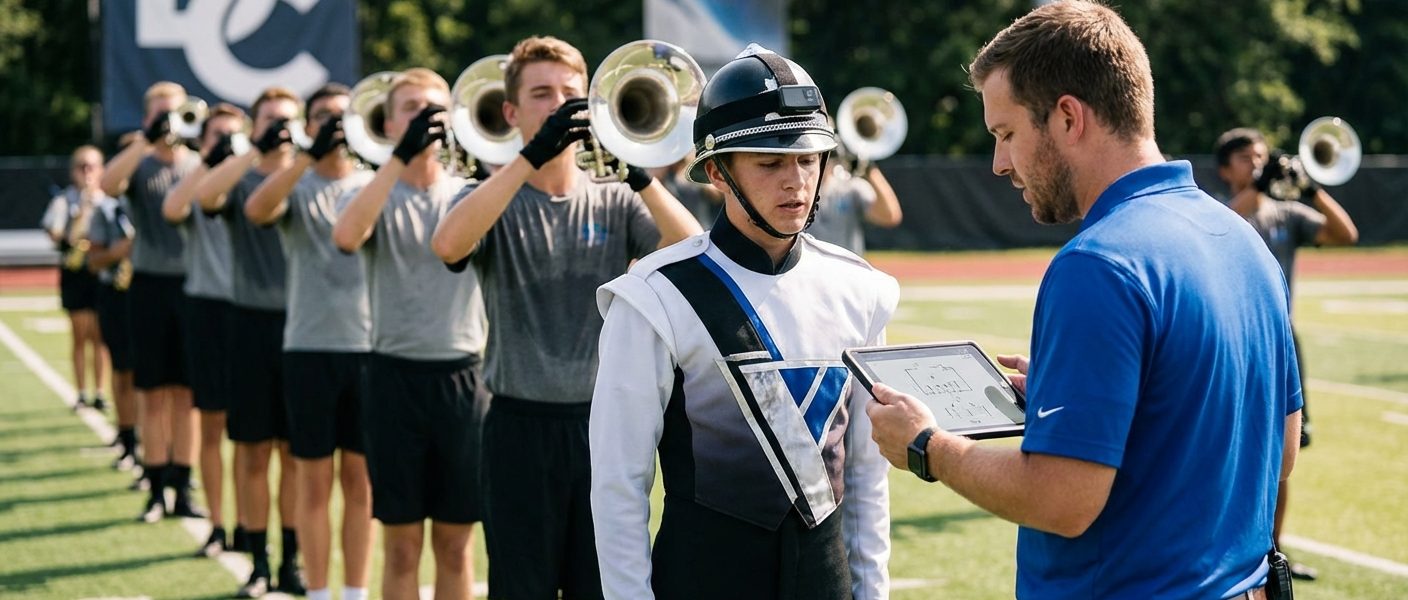
Training camp used to mean pushing through every headache, every dizzy spell, every moment of confusion. Not anymore. Drum corps organizations across the country have adopted comprehensive concussion protocols that are fundamentally changing how we approach safety during the most intense weeks of the season.
Modern drum corps concussion protocols include mandatory baseline testing, immediate removal from activity when symptoms appear, graduated return-to-play steps, and designated medical personnel at all camps. These protocols protect performers while maintaining the rigor that makes drum corps transformative. Implementation requires staff training, parent communication, and a cultural shift that prioritizes long-term health over short-term performance goals.
Understanding the New Baseline Requirements
Every member now completes baseline cognitive testing before spring training begins.
These tests measure reaction time, memory, processing speed, and balance. They create a personalized benchmark that medical staff use for comparison if an injury occurs later.
Most corps use computerized systems that take 20 to 30 minutes. Members sit in a quiet room with a tablet or laptop. The test asks them to remember word lists, click buttons when shapes appear, and complete pattern recognition tasks.
Parents receive copies of baseline results. This transparency helps families understand what normal looks like for their performer.
Some corps schedule baseline testing during November camps. Others send home testing links that members complete before arriving at spring training. Either approach works as long as testing happens in a distraction-free environment.
The baseline isn’t just for concussions. It also helps identify members who might be dealing with undiagnosed learning differences or attention challenges. That early awareness can lead to better support throughout the season.
Recognizing Symptoms During High-Intensity Blocks
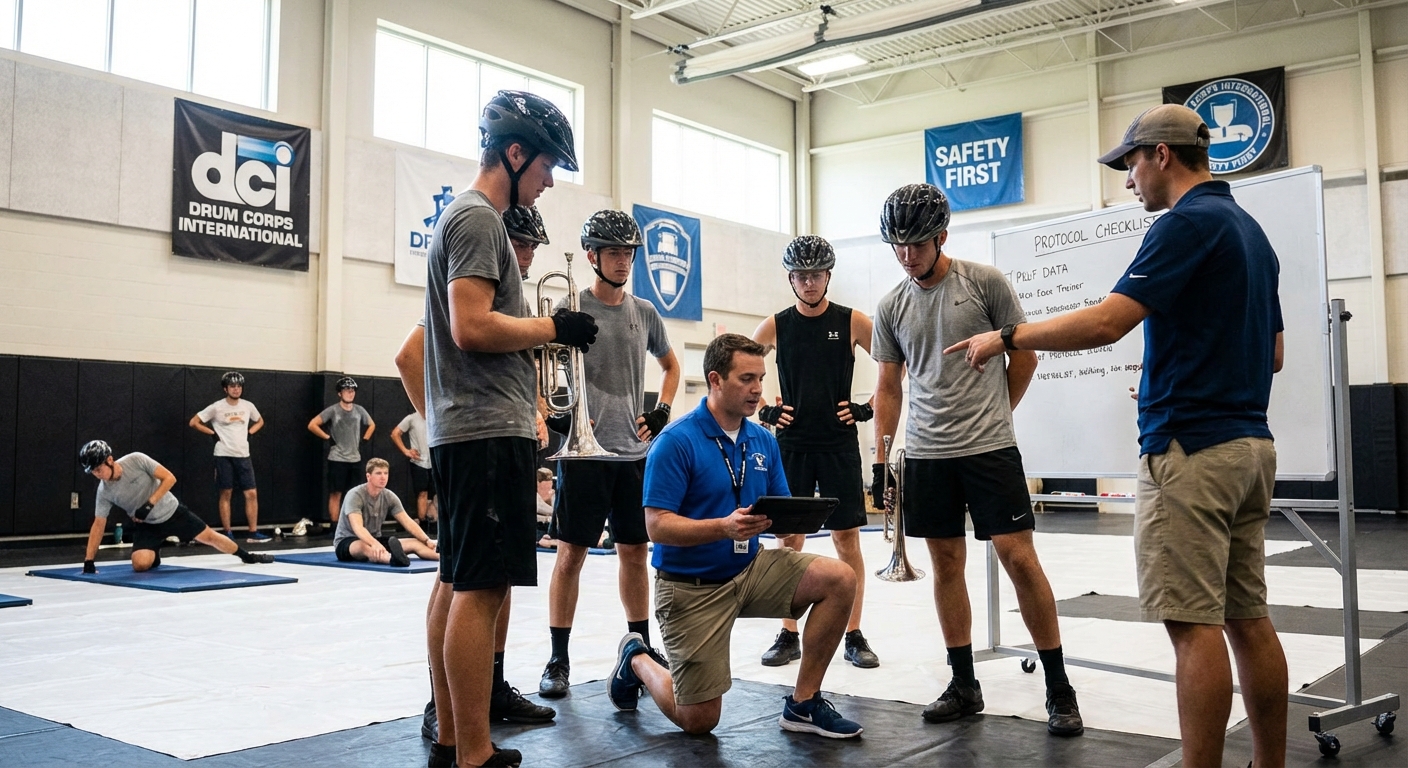
Training camp pushes everyone to their limits. That makes concussion recognition harder.
A member might feel dizzy from dehydration, exhausted from lack of sleep, or disoriented from learning 40 sets of drill in two hours. Staff need to distinguish between normal training fatigue and actual head injury symptoms.
The protocols now require staff to watch for these specific signs:
- Confusion about assignments the member knew 10 minutes earlier
- Slurred speech or difficulty finding words
- Visible balance problems that weren’t present before
- Repeated questions about information just explained
- Unusual emotional responses like sudden crying or anger
- Sensitivity to light or noise beyond typical fatigue
- Nausea or vomiting unrelated to heat or exertion
Any collision deserves immediate attention. This includes members running into each other during drill, hitting heads on equipment trucks, or falling during visual work.
Staff members now carry pocket cards with symptom checklists. When in doubt, they pull the member from the field and notify medical personnel.
The hardest part is distinguishing between a member who needs water and rest versus one who needs medical evaluation. The new rule is simple: if you’re not sure, treat it as a potential concussion.
The Five-Stage Return-to-Play Process
No one returns to full activity the same day symptoms appear. That’s the foundation of modern drum corps concussion protocols.
The return process has five distinct stages:
-
Complete rest: No physical activity, no screen time, no music practice. The member stays in their housing site until symptoms resolve completely.
-
Light activity: Walking, gentle stretching, basic breathing exercises. No marching, no playing, no visual work. If symptoms return, the member goes back to stage one.
-
Moderate activity: Marching basics without equipment, individual music practice at low volume, simple visual exercises. Still no full ensemble participation.
-
Full activity without contact: The member rejoins the ensemble for most activities but avoids situations with collision risk. They mark time during high-speed drill changes and step out during aggressive visual sequences.
-
Unrestricted participation: The member returns to all activities with medical clearance. This requires written approval from a healthcare provider familiar with concussion management.
Each stage lasts a minimum of 24 hours. Most members need three to seven days to complete the full progression.
Corps directors no longer have authority to speed up this process. Medical personnel make all return-to-play decisions based on symptom resolution and cognitive test results that match or exceed baseline scores.
Some members worry about falling behind. Staff now build individual practice plans that keep recovering members engaged without risking their health. They might work on music memorization, watch drill videos, or help with equipment maintenance.
Training Staff to Implement Protocols Correctly
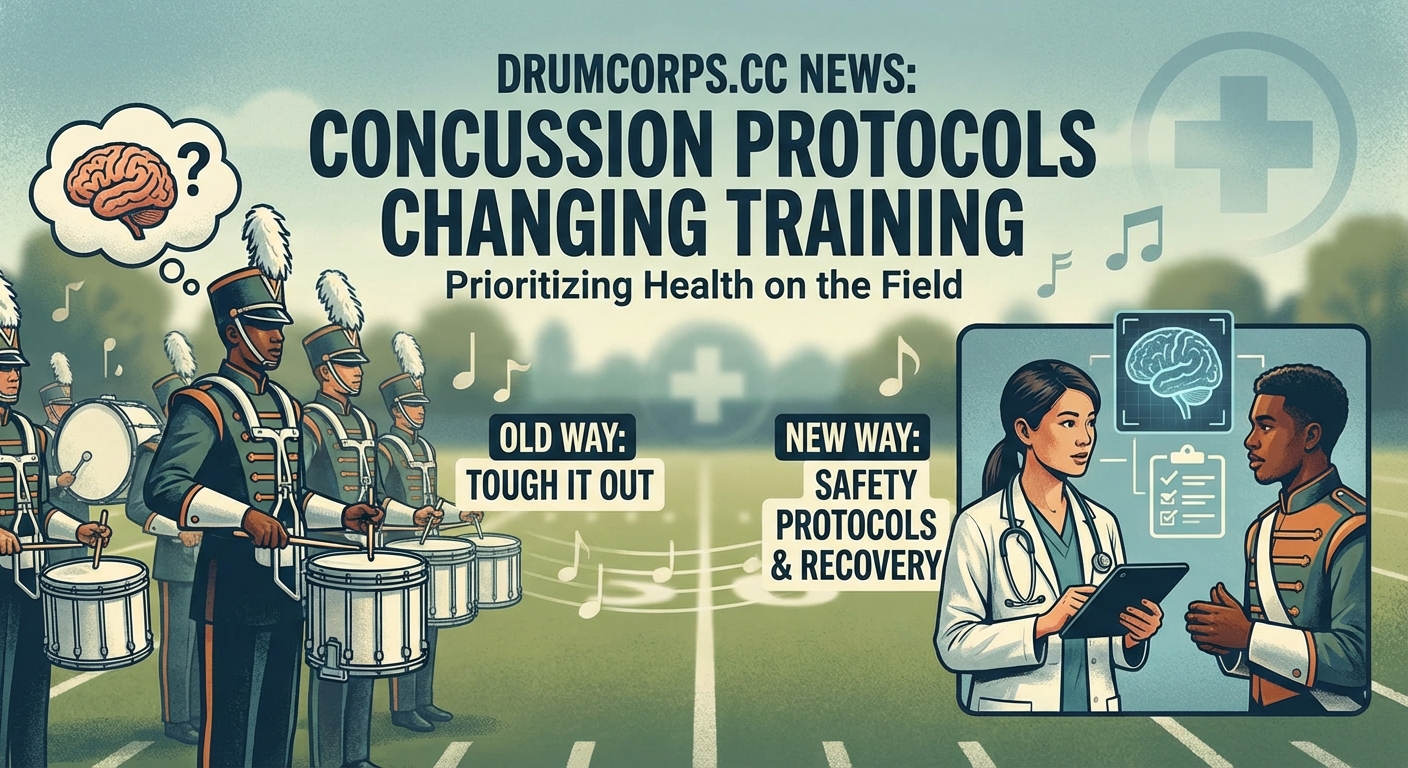
The best written protocol means nothing if staff don’t know how to use it.
Every corps now requires concussion recognition training for all staff members before spring training begins. This includes section leaders, visual techs, brass instructors, and administrative volunteers.
Training covers three essential areas:
| Training Component | What Staff Learn | Common Mistakes to Avoid |
|---|---|---|
| Symptom recognition | Physical, cognitive, and emotional signs of concussion | Assuming exhaustion explains all symptoms |
| Reporting procedures | Who to notify, how to document, when to call 911 | Waiting to see if symptoms improve on their own |
| Communication skills | How to talk to injured members and worried parents | Minimizing injury severity or promising timelines |
Many corps bring in athletic trainers or sports medicine physicians for staff training. These professionals share real case studies and practice scenarios that help staff recognize subtle warning signs.
Section leaders receive additional training because they spend the most time with members. They learn to notice personality changes, academic struggles, or sleep pattern disruptions that might indicate an undiagnosed concussion from earlier in the season.
The training also addresses the emotional component. Staff learn how to support members who feel guilty about missing rehearsals or anxious about their spot in the corps. This psychological support matters as much as the medical protocol.
“The hardest part of implementing concussion protocols isn’t the testing or the medical procedures. It’s changing the culture from ‘tough it out’ to ‘speak up immediately.’ That shift requires every staff member to model the right behavior and celebrate members who prioritize their health.” (Dr. Sarah Mitchell, DCI Medical Advisory Committee)
Building a Medical Support Structure at Camp
Protocols only work when qualified medical personnel are present to implement them.
Most corps now contract with athletic trainers for the entire spring training period. These professionals live on site, attend all rehearsals, and serve as the first point of contact for any injury.
Smaller corps that can’t afford full-time athletic trainers create partnerships with local universities or sports medicine clinics. Medical students or recently certified trainers volunteer in exchange for experience and housing.
Every camp site must have:
- A designated medical evaluation space away from rehearsal areas
- Cognitive testing equipment with reliable internet access
- Direct communication lines to local emergency services
- Transportation plans for members who need hospital evaluation
- Medical supply kits that include ice packs, cervical collars, and emergency medications
Corps also identify the nearest emergency room before camp begins. Staff receive maps, contact information, and instructions for what to do if a member needs immediate hospital transport.
Medical personnel maintain detailed documentation for every injury. This includes initial symptom reports, daily progress notes, cognitive test results, and return-to-play clearances. Parents receive copies of all documentation.
The medical staff also monitors environmental conditions that increase concussion risk. Wet fields make falls more likely. Extreme heat affects balance and coordination. High winds during equipment moves create collision hazards. Medical personnel can recommend schedule adjustments when conditions become dangerous.
Communicating Protocols to Parents and Members
Everyone needs to understand these protocols before camp starts.
Corps now send detailed concussion information packets to all members and parents in early spring. These packets explain baseline testing, symptom recognition, return-to-play stages, and parent notification procedures.
Many corps host virtual information sessions where medical staff answer questions. Parents want to know what happens if their child gets injured far from home. Members want to know if a concussion means they’ll lose their spot.
The communication emphasizes that concussion protocols exist to protect long-term health, not to punish injured members. A performer who reports symptoms immediately and follows the return process can often complete the season successfully. A performer who hides symptoms and continues performing risks severe complications that could end their marching career permanently.
Corps also address the financial concerns. Some families worry about paying tour fees if their child can’t complete the season due to injury. Progressive corps include medical withdrawal policies that refund portions of fees when documented injuries prevent participation.
Member education happens during move-in day at spring training. Before any physical activity begins, medical staff review symptoms, reporting procedures, and the return-to-play process. Members sign acknowledgment forms confirming they understand the protocols.
This education continues throughout camp. Medical staff make brief announcements at meal times, post reminder signs in housing areas, and check in individually with members who seem confused or withdrawn.
Adapting Training Schedules for Safety
The protocols don’t just change how we respond to injuries. They change how we structure camp to prevent injuries in the first place.
Corps now build more gradual physical progressions into spring training. Instead of full days of marching on day two, members spend more time on body alignment drills that transform your marching posture before adding speed and complexity.
Rest periods are longer and more frequent. Members get scheduled breaks every 90 minutes during outdoor rehearsals. These breaks reduce fatigue that contributes to falls and collisions.
High-risk activities get extra supervision. When the corps learns how to fix your backward marching before your next competition, extra staff members position themselves to catch members who lose balance. Equipment moves happen more slowly with clear traffic patterns.
Some corps adjust their teaching methods to reduce cognitive load during the most physically demanding days. Instead of learning new drill and new music simultaneously, they focus on one element at a time during the first week.
Evening activities avoid anything that increases head injury risk. No contact games, no roughhousing, no activities that involve running in low light conditions.
These schedule adaptations don’t make training camp easy. They make it sustainable. Members still work incredibly hard, but the workload builds in ways that protect their brains while developing their skills.
Handling the Pressure to Perform Despite Symptoms
The competitive nature of drum corps creates pressure to hide injuries.
Members worry that reporting symptoms will cost them their spot. Staff worry that pulling a key performer will hurt the corps’s competitive chances. Parents worry that their child will miss the experience they’ve paid thousands of dollars to have.
Modern drum corps concussion protocols address this pressure directly by removing individual discretion from the decision-making process.
When a member shows concussion symptoms, medical personnel make all decisions. The member can’t choose to keep performing. The staff can’t grant exceptions. The director can’t override medical judgment.
This removes the burden from injured members. They don’t have to choose between their health and their spot because the choice isn’t theirs to make.
Corps also implement “no retaliation” policies. Any staff member who pressures an injured member to return early faces immediate dismissal. Any member who bullies or excludes an injured peer faces consequences up to and including removal from the corps.
Some corps go further by publicly celebrating members who report symptoms promptly. They recognize that speaking up takes courage and protects not just the individual but the entire ensemble.
The cultural shift is working. More members now report symptoms immediately instead of hiding them for days. That early reporting leads to faster recovery and safer returns to full activity.
Preparing for Mid-Season Injuries During Tour
Spring training protocols are just the beginning. Corps need systems for managing concussions during the intense travel schedule of summer tour.
Every tour bus now carries concussion protocol documentation and cognitive testing equipment. Medical staff travel with the corps and attend every rehearsal and performance.
Housing sites are vetted for proximity to medical facilities before the corps arrives. Tour managers maintain updated lists of emergency rooms, urgent care centers, and sports medicine clinics along the entire tour route.
When a concussion occurs during tour, the corps has three options:
-
The member stays with the corps and completes the return-to-play process while traveling. This works if symptoms are mild and resolve within a few days.
-
The member travels home with a parent or designated chaperone and rejoins the corps after medical clearance. This option protects members who need quiet recovery environments.
-
The member withdraws from the season if symptoms persist beyond two weeks or if complications develop. This is rare but necessary for long-term health.
Corps maintain communication with the member’s personal physician throughout the recovery process. This coordination ensures consistent care even as the corps travels across the country.
The logistics get complicated. Someone needs to drive the recovering member to medical appointments. Someone needs to adjust drill to cover the missing spot. Someone needs to keep the member engaged and connected to the corps community even when they can’t perform.
These challenges are manageable with planning. What’s not manageable is the alternative: a member performing with an undiagnosed or improperly managed concussion who suffers permanent brain damage.
Measuring Protocol Effectiveness Over Time
How do we know if drum corps concussion protocols actually work?
Progressive corps track injury data across multiple seasons. They record the number of suspected concussions, the average time from injury to return, and whether any members suffered repeat injuries.
This data reveals patterns. Maybe concussions spike during the first week of spring training when members are learning complex backward marching sequences. Maybe certain drill moves create more collision risk than others.
Corps use these insights to adjust training methods. If data shows that fatigue increases injury risk, they add more rest days to the spring training schedule. If certain visual elements cause repeated falls, they modify the choreography or add more progressive teaching steps.
The data also helps corps demonstrate the value of their protocols to skeptical stakeholders. When injury rates decrease and recovery times improve, it becomes easier to justify the costs of athletic trainers and medical equipment.
Some corps share anonymized data with DCI and other organizations. This collective approach helps the entire activity learn faster and implement better safety practices.
The goal isn’t zero concussions. That’s unrealistic in any physical activity. The goal is reducing preventable injuries, recognizing symptoms immediately when injuries occur, and managing recovery in ways that protect long-term brain health.
Creating a Culture That Values Long-Term Health
Protocols and procedures matter, but culture matters more.
The most effective drum corps concussion protocols exist in organizations where everyone, from the director to the newest rookie, genuinely believes that member health comes before competitive success.
This culture shows up in small moments. When a veteran member reports symptoms and staff responds with support instead of frustration. When a recovering member receives the same respect and inclusion as performing members. When parents hear staff say “we’re glad you told us” instead of “are you sure you can’t push through?”
Building this culture requires consistent leadership. Directors set the tone by how they talk about injuries in staff meetings and member communications. When directors treat concussion protocols as non-negotiable safety requirements rather than inconvenient obstacles, everyone else follows that lead.
The culture also requires transparency. Corps that openly discuss their injury data, share lessons learned, and admit when they could have done better create environments where members feel safe reporting symptoms.
This cultural shift is happening across the activity. Organizations that once celebrated members who performed through pain now celebrate members who prioritize health. The change reflects broader societal understanding of brain injury and long-term consequences.
Parents play a role too. When they support their child’s decision to report symptoms, when they trust medical personnel over their own desire to see their child perform, when they model patience during the recovery process, they reinforce the culture of safety.
Making Safety the New Standard
Drum corps concussion protocols represent more than medical procedures. They represent a fundamental commitment to treating young performers as whole people whose futures matter more than any single season.
The protocols work when everyone involved understands their role. Medical personnel provide expertise and make clinical decisions. Staff members watch for symptoms and follow reporting procedures. Members speak up when something feels wrong. Parents support their children through recovery. Directors create organizational cultures where health always comes first.
These changes don’t diminish the intensity or transformative power of drum corps. They make the experience sustainable. They allow performers to pursue excellence while protecting the brains that will carry them through college, careers, and the rest of their lives.
Your role in this shift matters. If you’re a staff member, complete your concussion training and take it seriously. If you’re a parent, talk to your child about reporting symptoms before camp starts. If you’re a performer, remember that speaking up protects not just you but your entire section. If you’re an administrator, invest in medical personnel and make protocols non-negotiable.
The drum corps activity has always pushed boundaries and embraced innovation. These concussion protocols represent our latest evolution, one that honors tradition while protecting the people who make this art form possible.