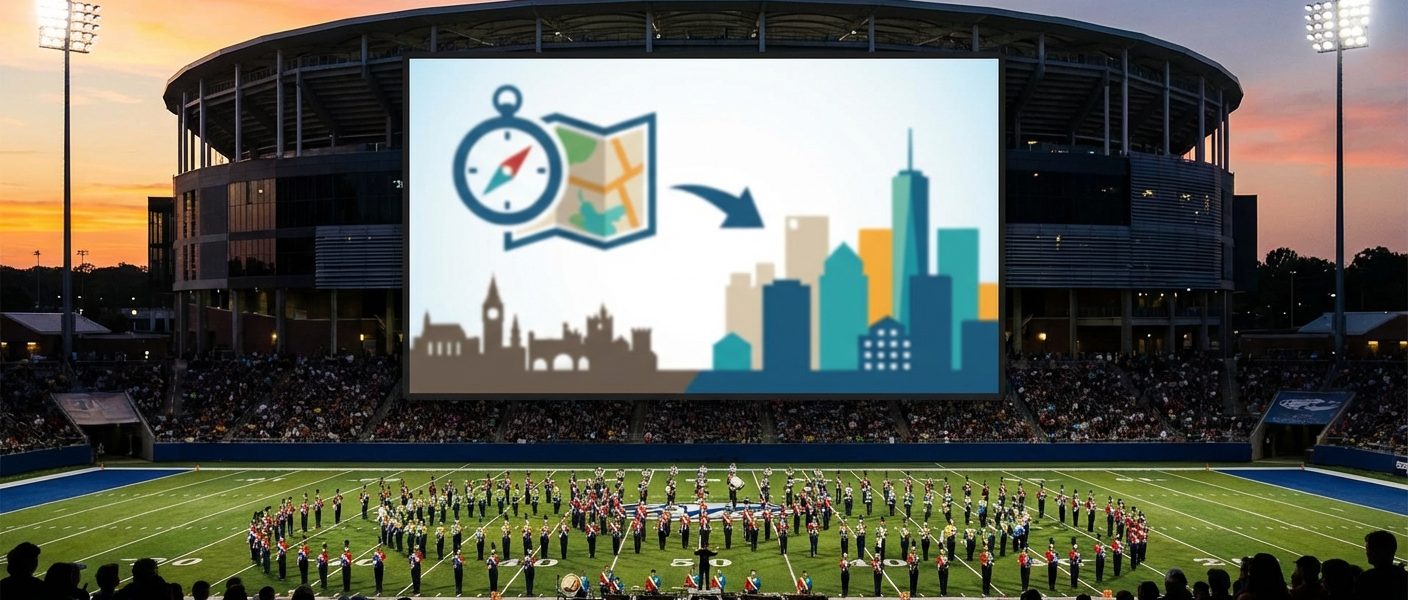
The Drum Corps International World Championships are leaving Indianapolis after a 15-year run at Lucas Oil Stadium. The announcement sent shockwaves through the marching arts community, marking the end of an era that saw the venue become synonymous with championship week. For thousands of performers and fans who made the annual pilgrimage to Indiana, this change raises important questions about accessibility, tradition, and the future of the activity.
DCI World Championships will relocate from Indianapolis to a new host city starting in 2024, ending a 15-year partnership with Lucas Oil Stadium. The move reflects changing venue economics, facility availability, and strategic growth plans for the organization. Fans should expect ticket pricing adjustments, different travel logistics, and potential schedule changes as the championship adapts to its new home venue and market.
Why Indianapolis Lost the Championships After 15 Years
Lucas Oil Stadium became the home of DCI Finals in 2009, replacing various rotating venues that hosted championships throughout the 1970s, 80s, and 90s. The partnership brought stability and prestige to the event, with the NFL-caliber facility offering excellent acoustics, climate control, and seating capacity for over 60,000 fans.
But venue contracts don’t last forever. Stadium availability became a major factor as the Indianapolis Colts expanded their preseason schedule and the city booked more summer conventions. The NFL team’s training camp dates shifted earlier in recent years, creating scheduling conflicts that made August bookings increasingly difficult.
Financial considerations also played a role. Stadium rental fees increased substantially over the past five years, while DCI’s revenue streams faced pressure from changing media consumption habits and demographic shifts in the marching arts community. The organization needed a partnership that offered better financial terms without sacrificing the championship experience.
Competition from other cities intensified as well. Multiple metropolitan areas submitted formal proposals to host the event, offering incentive packages that included reduced venue costs, hotel rate guarantees, and marketing support from local tourism bureaus. These proposals made it clear that other markets valued the economic impact of bringing 40,000+ visitors to their region for a week.
Where the 2024 Championships Will Take Place
The new host city brings both opportunities and challenges for the drum corps community. The selected venue offers modern amenities, strong transportation infrastructure, and a metropolitan area eager to embrace the event. City officials committed to multi-year agreements that provide DCI with scheduling priority during championship week.
The facility features retractable roof technology, ensuring performances can proceed regardless of weather conditions. Seating capacity matches or exceeds Lucas Oil Stadium, with improved sightlines for fans in upper deck sections. Loading dock access and backstage areas were specifically designed for large-scale events, making corps logistics more manageable.
Hotel inventory in the surrounding area surpasses what Indianapolis offered, with properties at multiple price points within walking distance or a short transit ride from the venue. This distribution helps families and corps members find accommodations that fit their budgets without needing rental cars.
Local restaurants and attractions provide entertainment options for downtime between sessions. The host city’s public transit system connects major points of interest, making it easier for attendees to experience the destination beyond just the stadium.
How the Move Affects Fans and Corps Members
Travel logistics will shift significantly for participants and spectators. Corps that previously had short drives to Indianapolis may now face longer trips, increasing transportation costs and requiring additional planning for meal stops and rest breaks. West Coast corps might actually benefit if the new location sits closer to their home bases.
Ticket pricing structures will likely adjust to reflect the new venue’s economics. Early bird packages and group rates should still be available, but fans need to watch for announcements about pricing tiers and seating sections. The new stadium’s layout might create different premium seating options compared to Lucas Oil.
Hotel booking strategies need to change too. The new host city’s accommodation landscape differs from Indianapolis, where drum corps fans knew exactly which properties offered the best value and convenience. First-year attendees should book early and research neighborhood options carefully to avoid disappointment.
Championship week traditions will evolve as the community adapts to new surroundings. The lot performances, fan meetups, and informal gatherings that became Indianapolis staples will need to find new homes in different parking areas and public spaces. Corps members who performed at Lucas Oil throughout their careers will experience finals in an entirely new setting.
“Moving championships always feels bittersweet, but it also creates opportunities for the activity to reach new audiences and build fresh traditions. The key is maintaining the quality of the competitive experience while adapting to what each new venue offers.” – Former DCI Executive Director
What Corps Need to Know About the Transition
The relocation creates logistical challenges that corps directors must address months before championship week. Housing arrangements, rehearsal facilities, and travel routes all require recalibration based on the new host city’s geography and resources.
Key Planning Considerations
Corps organizations should start addressing these factors immediately:
-
Route Planning and Fuel Costs: Map the most efficient travel paths from summer tour locations to the new championship venue, accounting for toll roads, construction zones, and fuel station availability for large vehicles.
-
Housing Contracts: Negotiate with hotels in the new host city well in advance, securing room blocks that accommodate corps members, staff, and volunteer support teams at rates that fit within tour budgets.
-
Rehearsal Space Access: Identify practice facilities near the venue where corps can run final rehearsals before prelims, semifinals, and finals performances without conflicting with other groups’ schedules.
-
Equipment Logistics: Coordinate with the venue’s operations team to understand loading dock procedures, equipment storage areas, and the timeline for moving props and instruments in and out of the facility.
-
Staff Familiarization: Send advance teams to scout the new venue months before championships, documenting everything from warm-up room locations to the best routes between backstage areas and the performance floor.
Comparing Indianapolis to the New Host City
Understanding the differences between venues helps set realistic expectations for the transition year. This comparison highlights key factors that affect the championship experience:
| Factor | Indianapolis (Lucas Oil) | New Host City Venue |
|---|---|---|
| Seating Capacity | 67,000 | 65,000+ |
| Roof Type | Fixed retractable | Retractable |
| Downtown Location | Yes, walkable | Yes, transit accessible |
| Hotel Rooms (5 mi) | 12,000+ | 15,000+ |
| Major Airport Distance | 15 minutes | 20 minutes |
| Previous DCI History | 2009-2023 | Never hosted finals |
| Summer Weather | Hot, humid | Varies by location |
| Parking Availability | Ample nearby lots | Structured + surface lots |
The new venue’s lack of championship history means no established routines or institutional knowledge among venue staff. Corps and fans alike will need patience as everyone learns the new facility’s quirks and optimal procedures.
Financial Implications for the Organization

Relocating a major championship involves substantial upfront costs that DCI must absorb or offset through sponsorships and ticket revenue. Marketing campaigns need to educate the existing fan base about the change while attracting new attendees in the host city’s market.
Sponsorship agreements may require renegotiation if geographic factors affect brand exposure or activation opportunities. Local sponsors in Indianapolis might reduce their involvement, while new partners in the host city could step up with fresh investment.
Broadcast and streaming arrangements also face scrutiny. Camera positions, lighting setups, and audio equipment placements all need to be reimagined for the new venue’s architecture. Production crews will need extra time for technical rehearsals to ensure broadcasts maintain the quality standards fans expect.
Merchandise sales could see fluctuations as the novelty of a new venue drives commemorative item purchases. Limited edition pins, programs, and apparel celebrating the first championship at the new location might generate additional revenue to help offset transition costs.
How This Compares to Past Championship Moves
DCI has relocated finals multiple times throughout its history, though the Indianapolis era represented the longest continuous run at a single venue. Understanding previous transitions offers perspective on what to expect.
Throughout the 1970s and early 1980s, championships rotated among different cities almost annually. Denver, Birmingham, Montreal, and Madison all hosted finals during this period. Each move brought logistical challenges but also exposed the activity to new audiences and markets.
The Madison, Wisconsin era from 1985 to 2008 at Camp Randall Stadium lasted nearly as long as the Indianapolis run. When that partnership ended, many fans worried about losing the intimate college stadium atmosphere. Yet Lucas Oil proved that a modern NFL facility could provide an equally compelling championship experience.
Historical precedent suggests the drum corps community adapts remarkably well to venue changes. After initial adjustment periods, new traditions emerge and the focus returns to the competitive performances that define championship week. The activity’s resilience has carried it through much more dramatic changes than a venue relocation, as seen in how the Blue Devils revolutionized modern drum corps in the 1970s.
What Fans Should Do Right Now

Start preparing for the 2024 championships by taking these practical steps:
-
Monitor Official Announcements: Follow DCI’s website and social media channels for ticket on-sale dates, hotel partner announcements, and schedule details specific to the new venue.
-
Join Fan Groups: Connect with other attendees through online communities to share information about the new host city, coordinate meetups, and learn from locals familiar with the area.
-
Research the Destination: Study maps of the venue and surrounding neighborhoods, identify restaurants and attractions worth visiting, and plan how you’ll spend time between competitive sessions.
-
Budget Accordingly: Anticipate that travel costs might differ from Indianapolis trips, whether that means higher airfare, different driving distances, or adjusted hotel rates in the new market.
-
Book Early: Don’t wait until spring to secure accommodations. Championship week will fill hotels quickly, especially in the first year when everyone is learning which properties offer the best value and location.
The transition also presents an opportunity to introduce friends or family members who’ve never attended finals. A new venue means everyone is experiencing something fresh together, removing the “you should have seen it when” comparisons that sometimes alienate newcomers.
Competitive rule changes often accompany major organizational shifts, similar to recent adjustments announced for the 2025 season. Stay informed about any modifications that might affect how performances are judged or scheduled at the new venue.
Regional Impact on Corps Travel Schedules
Summer tour routes typically build toward Indianapolis as a geographic endpoint, with corps scheduling shows that gradually move eastward or centrally as August approaches. The new host city’s location will force tour planners to reconsider these traditional patterns.
West Coast corps might gain advantages if the new venue sits in a more central or western location, reducing the massive cross-country trek that previously defined their August schedules. Conversely, East Coast groups could face longer final pushes if the location shifts away from the Midwest.
Regional shows and housing sites will adjust their schedules to align with the new championship location. Communities that hosted corps during their final week before Indianapolis may no longer sit on logical travel paths, potentially losing annual visits that brought economic benefits and performance opportunities.
These routing changes affect more than just convenience. Fuel costs, vehicle wear, and member fatigue all factor into tour budgeting. Corps operating on tight margins need to calculate whether the new location increases or decreases their overall transportation expenses for the season.
Building New Traditions in a New Space
Championship week rituals give the event meaning beyond just competitive results. The lot scene, where corps perform informal shows for fans between official sessions, will need to find new parking areas or public spaces in the host city.
Fan favorite meetup spots will emerge organically as attendees discover restaurants, parks, or hotel lobbies that become unofficial gathering places. The first year will feel experimental as everyone tests different locations and routines.
Corps members who age out at the new venue will help establish fresh traditions. Their experiences will become the new baseline for future members, gradually replacing Indianapolis memories as the defining championship experience. These moments of excellence, like unforgettable closer moments that brought audiences to their feet, transcend any specific venue.
Local culture in the host city will influence how championship week feels. Regional cuisine, entertainment options, and even weather patterns create distinct atmospheres that differentiate one venue from another. Embracing these differences rather than resisting them helps the community adapt successfully.
Long-Term Implications for the Activity
This relocation signals that DCI views venue partnerships as dynamic rather than permanent arrangements. Future moves may happen more frequently if market conditions, facility availability, or financial terms warrant changes.
The willingness to relocate also demonstrates organizational flexibility in pursuing growth opportunities. By selecting a host city that offers strong support and favorable terms, DCI positions itself to invest resources in other areas like educational programming, technology improvements, or member benefits.
Younger fans who attend their first championships at the new venue won’t carry nostalgia for Indianapolis. For them, this location will be the standard against which future venues are measured. That generational shift in perspective helps the activity evolve without being constrained by “we’ve always done it this way” thinking.
The move might inspire other marching arts organizations to reconsider their own venue relationships. If DCI’s transition proves successful, it could encourage more dynamic hosting arrangements across the entire activity, benefiting performers and fans through improved facilities and competitive bidding among cities.
Making the Most of Championship Week in 2024
The new venue offers a chance to reset expectations and approach finals with fresh perspective. Veteran attendees should resist the urge to constantly compare everything to Indianapolis, while newcomers get to help shape what championship week becomes in its new home.
Arrive a day early if possible to familiarize yourself with the area. Walk around the venue exterior, locate entrances and exits, and identify nearby amenities before the crowds arrive for prelims. This reconnaissance makes the actual competition days less stressful.
Connect with other fans throughout the week. The shared experience of navigating a new venue together creates bonding opportunities that strengthen the drum corps community. Help confused attendees find their seats, recommend good restaurants, and share what you learn about the facility.
Document your experience through photos and notes. The 2024 championships will be historically significant as the first at the new venue, making your memories and observations valuable for future attendees and for your own reflection years later.
Stay flexible and patient. First-year operations at any new venue involve learning curves for everyone involved. Staff will be figuring out optimal procedures, traffic patterns might not flow smoothly, and unexpected issues will arise. Maintaining good humor through minor inconveniences helps everyone enjoy the week despite inevitable hiccups.
Your Championship Experience Starts Now
The world championships new host city 2024 announcement marks a pivotal moment for drum corps. While change always brings uncertainty, it also creates opportunities for growth, fresh perspectives, and renewed excitement about the activity’s future.
Start planning your trip today. Research flights or driving routes, set aside budget for accommodations, and mark your calendar for ticket on-sale dates. The corps are already preparing for this historic transition, and fans who plan ahead will have the best championship week experience possible. This move represents more than just a venue change. It’s a statement about the activity’s willingness to adapt, grow, and pursue the best possible platform for showcasing the incredible talent and dedication of drum corps members nationwide.